
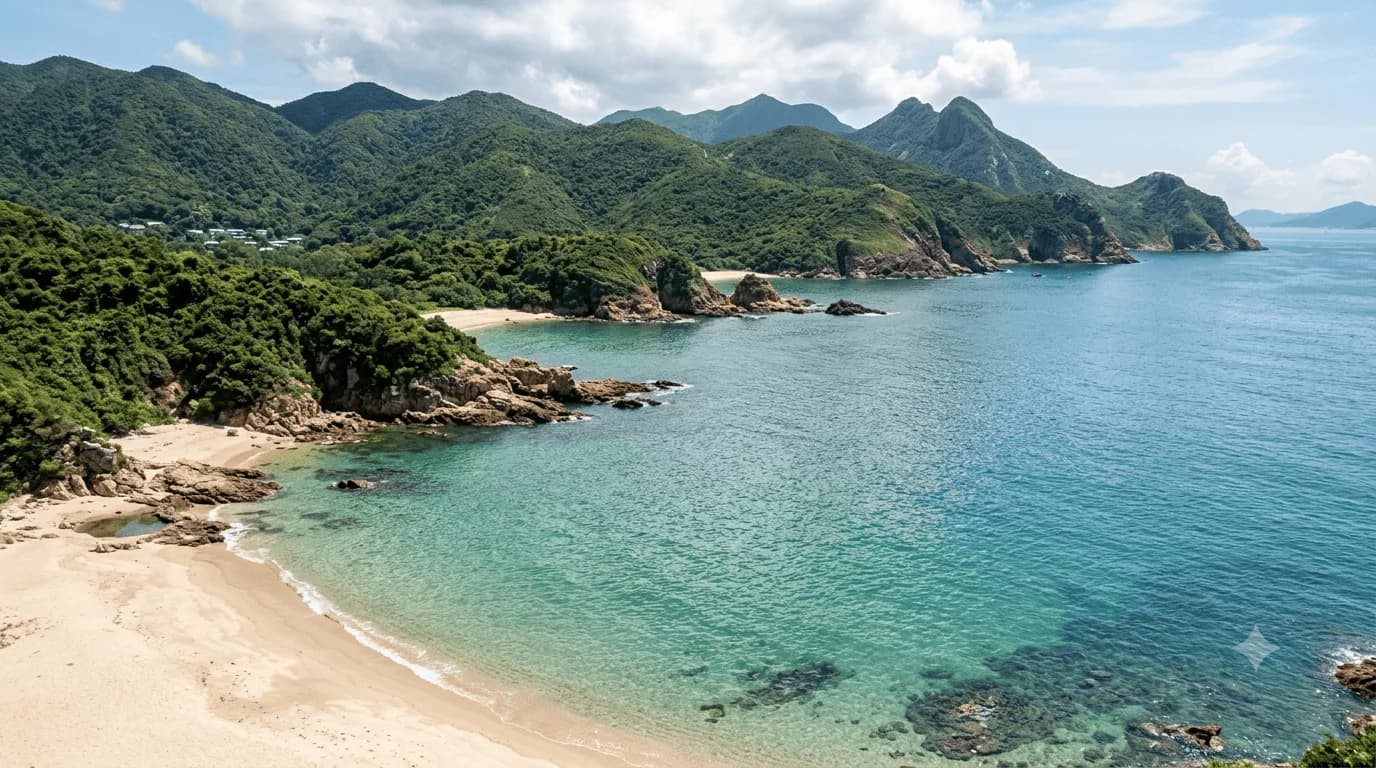
Sai Kung is a popular base for water activities, with islands, beaches and varied coastal scenery. There are options for first-time visitors and experienced participants, but each requires a suitable provider, route and weather window.
This guide brings together the main activity types to help you choose. Kayarine offers kayaking, SUP and related guided experiences; the freediving, fishing and yacht sections describe broader local options, not services automatically included in Kayarine's offering.
Water activities at a glance
| Activity | Skill considerations | Who it may suit | Indicative allowance per person | Typical planning duration |
|---|---|---|---|---|
| 🚣 Kayaking | Beginner options with appropriate instruction | Participants meeting the chosen activity's requirements | HK$300–500; confirm the actual booking price | Half or full day |
| 🏄 SUP | Beginner options with appropriate instruction | Participants meeting the chosen activity's requirements | HK$200–350; confirm the actual booking price | Around 2–3 hours |
| 🤿 Freediving | Specialist training and buddy skills required | Those meeting the course's swimming and medical requirements | HK$400–800 is not a full-course quotation; ask a qualified provider | Depends on the session or course |
| 🦑 Squid fishing | Operator-led evening outing | Subject to vessel and participant requirements | HK$350–600 planning allowance | Often 3–4 hours in the evening |
| ⛵ Boat charter | Depends on onboard activities | Groups within the vessel's licensed capacity | HK$500–1,200 planning allowance; group size matters | Half or full day |
🚣 Kayaking
Recreational kayaking is a popular way to see Sai Kung's coast. A suitable boat can provide a stable platform, but a short briefing does not make every route safe for a beginner. Start in appropriate sheltered water and build skills before considering longer island crossings.
Who might enjoy kayaking?
- Beginners choosing suitable instruction and conditions
- Families meeting the specific tour's age and supervision requirements
- Friends and corporate groups with suitable planning
- Visitors interested in coastal scenery and permitted landing spots
Kayaking route considerations
| Route | Distance planning | Skill level | What to consider |
|---|---|---|---|
| Nearshore Sha Ha route | About 3–5 km for some outings; map the actual route | Potential beginner option | Shelter varies with wind and conditions; stay within an appropriate area |
| Sha Ha–Kau Sai Chau | About 8–10 km for some route variants | Intermediate or higher, depending on conditions | Confirm landing access, vessel traffic and the return crossing |
| Sha Ha–Sharp Island | About 10–14 km for some route variants | Intermediate or higher, depending on conditions | Tidal landforms and island scenery; route length depends on the landing |
| Sha Ha–Basalt Island | A substantial offshore route; do not rely on the original 16–20 km estimate | Advanced expedition planning | Exposure, boat traffic, weather and rescue arrangements; not a casual rental route |
For more detailed route planning, see Sha Ha kayaking routes | Hong Kong kayaking guide 2026
🏄 Stand-up paddleboarding (SUP)
SUP combines paddling and balance on a board. Suitable sheltered water can support learning, but standing confidently takes different amounts of time for different people. An introductory lesson should cover falling, getting back on, steering and understanding wind and tide—not just standing up.
Different ways to paddleboard
- SUP touring: coastal journeys matched to skills, route exposure and conditions.
- SUP yoga: balance-based sessions on a suitable board in a controlled setting.
- SUP surfing: a separate advanced discipline requiring appropriate skills and equipment.
- SUP fishing: an equipment-intensive activity with hook, balance and entanglement hazards; not an automatic beginner option.
For beginner skills and equipment, read the Sha Ha SUP guide
🤿 Freediving
Freediving uses a held breath rather than scuba equipment. It carries a risk of blackout and requires appropriate training and a trained safety buddy. Clear-looking water around an island does not establish safe depth, visibility or boat separation, and it is not a reason to attempt breath-hold diving without training.
Freediving training organisations: what to compare
| Organisation | Points to investigate | Recognition | Choosing a course |
|---|---|---|---|
| AIDA | Course content, instructor credentials and rescue training | Check the qualification and intended use | Suitable for those researching a dedicated freediving programme |
| PADI | Available freediving levels and local instructor arrangements | Check the qualification and intended use | Compare course prerequisites, practice time and assessment |
| SSI | Digital learning, practical sessions and training-centre support | Check the qualification and intended use | Confirm scheduling and the required in-water training |
| CMAS | Programme structure and the relevant national federation | Check the qualification and intended use | Ask about recreational or competition pathways as appropriate |
For a broader introduction, see the freediving fundamentals guide. For local site context, see the Basalt Island freediving guide
Freediving equipment considerations
- Fins: choose fit and stiffness suitable for your training; expensive carbon blades are not essential for every beginner. See the fin selection guide.
- Low-volume mask: reduces the air needed to equalise the mask; it does not remove the need to equalise your ears correctly.
- Wetsuit: choose thermal protection for water temperature, exposure time and your needs with your instructor.
- Weight belt: weighting and release must be taught and checked by a qualified instructor. Do not add weight simply to make descent easier.
🦑 Cuttlefish and squid fishing
Evening fishing trips are a distinctive way to experience Sai Kung from a boat. Operators may use lights and jigs, but catches depend on species, weather and local conditions. Ask what is actually in season and how the trip is run rather than expecting a guaranteed catch.
| Target | Seasonal planning | Timing | Method |
|---|---|---|---|
| Cuttlefish | Ask the operator about current local conditions | Confirmed evening sailing | Jigging matched to the operator's guidance |
| Squid | Availability varies by species and conditions | Confirmed evening sailing | Light-assisted fishing and controlled jig retrieval where permitted |
For techniques and trip planning, see the Sai Kung squid-fishing guide 2026
⛵ Boat trips and charters
A charter can suit friends, families or company groups, but vessel capacity, route and included activities vary. Check licensing, insurance, safety equipment and weather arrangements. Snorkelling, fishing, food and barbecue facilities are not standard inclusions on every boat.
Example charter formats—not current operator quotations
| Format | Indicative duration | Confirm with the operator | Original whole-boat planning allowance |
|---|---|---|---|
| Half-day outing | 4 hours | Boat, route and whether snorkelling equipment is included | HK$2,500–4,000 |
| Full-day outing | 8 hours | Boat, activity equipment and meal arrangements | HK$4,500–7,000 |
| Evening fishing | 4 evening hours | Fishing equipment, lights and permitted fishing areas | HK$3,000–5,000 |
| Sunset outing | 3 hours around sunset | Route, return time and refreshments | HK$2,000–3,500 |
⚠️ Safety essentials
| Topic | Practical approach |
|---|---|
| Check conditions | Consult Hong Kong Observatory warnings and forecasts, plus local wind, waves, tide and visibility. A wind-force number alone is not a safety test. |
| Use activity-appropriate flotation | Wear a fitted PFD for kayaking and SUP. Freediving uses a different supervised safety system; do not apply a paddling equipment rule indiscriminately to diving. |
| Use the buddy system | Never freedive alone: use a trained buddy following established safety procedures. Paddlers should also plan suitable companionship and emergency support. |
| Bring enough supplies | Carry water and food for the duration, heat and possible delays. Many landing places have no supplies; 1.5 litres is not a universal full-day requirement. |
| Sun protection | Combine protective clothing, a suitable hat and sunscreen on exposed skin. Avoid relying on unverified percentages for reflected UV exposure. |
| Leave a trip plan | Tell a trusted person your route, expected return and what to do if you are overdue. Carry a usable means of calling for help. |
For clothing choices, see the Hong Kong water-sports sun-protection guide
Seasonal planning
| Period | Months | Conditions to consider | Possible activities when suitable |
|---|---|---|---|
| Cooler season | October–March | Cooler water and possible strong monsoon winds | Kayaking, appropriately protected diving or boat fishing after checking conditions |
| Spring | April–May | Warming conditions, with fog and thunderstorms possible | SUP, kayaking and operator-led fishing when suitable |
| Summer | June–September | Heat, thunderstorms and tropical-cyclone risk | Water activities only with suitable weather and safety arrangements |
Getting to the Kayarine meeting point
Kayarine's collection point is not at Sha Ha. Follow the map for the Kayarine meeting and equipment collection point:
- Walking: a short waterfront walk from Sai Kung Pier; allow time and use the exact booking location.
- Taxi: give the driver the confirmed meeting-point location; fare depends on the route and traffic.
- Driving: check nearby parking, including the Kau Sai Chau golf-course public car park where appropriate. Confirm shower and changing access separately; nearby sports facilities are not automatically included in your booking.
For transport details, see the Sai Kung transport guide 2026
Book a Sai Kung water activity
Kayarine offers kayak and SUP rentals and instructor-led water experiences. Independent rental includes equipment and a basic safety briefing, not continuous instructor accompaniment; guided and family tours include an instructor. Check the booking page for the actual activities, equipment, times and availability.
👉 Book Kayarine kayak and SUP rentals | Pak Sha Chau family kayaking tour | Pak Sha Chau beginner SUP class
Frequently asked questions
Should I book Sai Kung water activities in advance?
Yes, especially for weekends and public holidays. Check current availability and obtain confirmation of the activity, participant requirements and meeting details before committing to your trip.
Can complete beginners join water activities in Sai Kung?
Suitable kayak and SUP lessons can welcome beginners, but eligibility, conditions and learning pace vary. A brief rental briefing is not equivalent to a guided lesson. Freediving needs specialist instruction and compliance with the course's swimming and medical prerequisites.
Can activities go ahead in the rain?
Light rain alone does not determine safety. Thunderstorms, strong winds, rough water and poor visibility may require cancellation or a change of plan. Follow the provider's decision and the actual booking policy rather than assuming free rescheduling in every case.
Which months are best for Sai Kung water activities?
There is no universally best season. Cooler months can bring strong monsoon winds and cold water; summer brings heat and storm risk. Choose the activity around the actual forecast, sea conditions and available safety arrangements.
Do I need to bring my own equipment?
Check the equipment list for your specific booking. Kayarine's kayaking and SUP options supply the equipment stated on their booking pages; personal clothing and other items may still be needed. Do not assume freediving equipment rental or specialist diving instruction is included.