
Hong Kong’s coast combines island scenery, distinctive geology and opportunities to explore by kayak. From the waters near Green Egg Island to Hoi Ha Wan’s marine habitats and a carefully planned family sunset outing, there is plenty to discover. This guide introduces routes, training and certificate questions, equipment and safety. Choose a trip that matches your ability and the actual conditions, rather than a photograph alone.
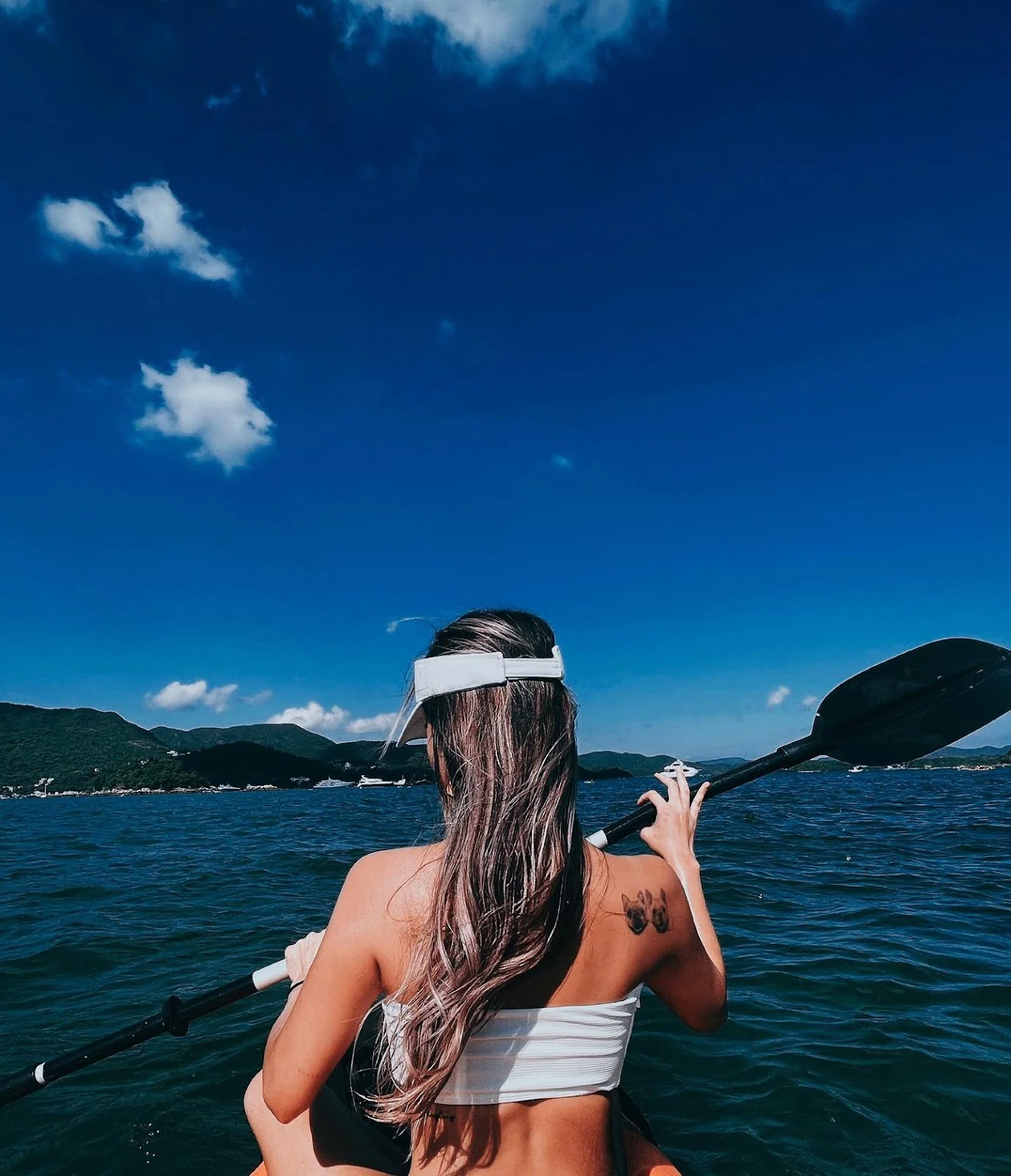
1. Kayaking Routes Around Hong Kong
Popular kayaking areas include Sai Kung, southern Hong Kong Island and Tai Po. The following ideas range from introductory settings to more exposed routes; suitability must be assessed locally.
1. Sai Kung: Islands and Coastal Scenery
Often described as Hong Kong’s back garden, Sai Kung has attractive island views and geological features. Some waters are sheltered, but the wider area is not uniformly calm, and boat traffic, wind and swell require attention.
Green Egg Island
- Difficulty: ★★★☆☆; the original guide estimates 2–3 km one way from a suitable nearby launch, not from every Sai Kung starting point.
- Highlights: A small beach and clear-looking water on suitable days have made the island popular for photos and snorkelling. Confirm access, conditions and a realistic return route.
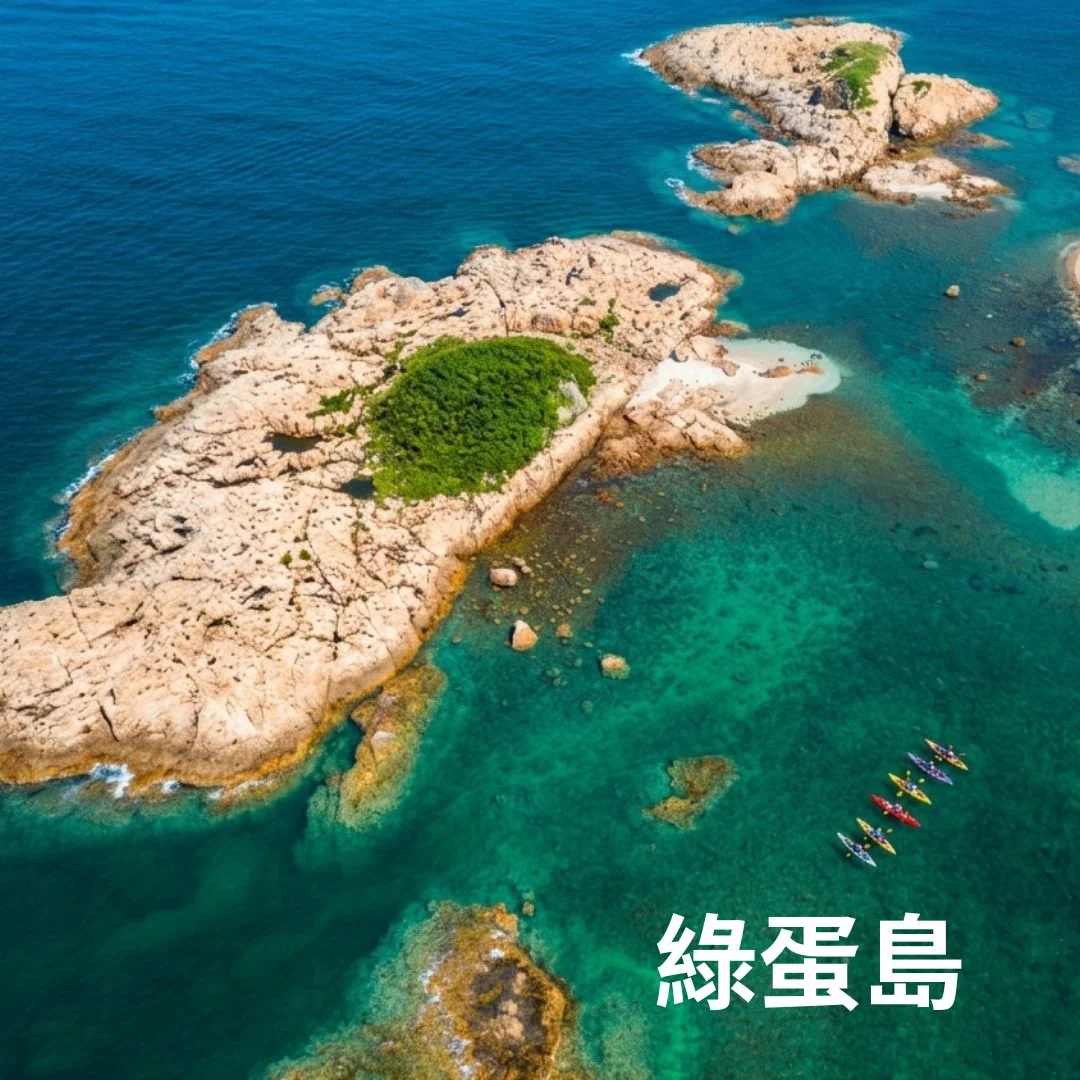
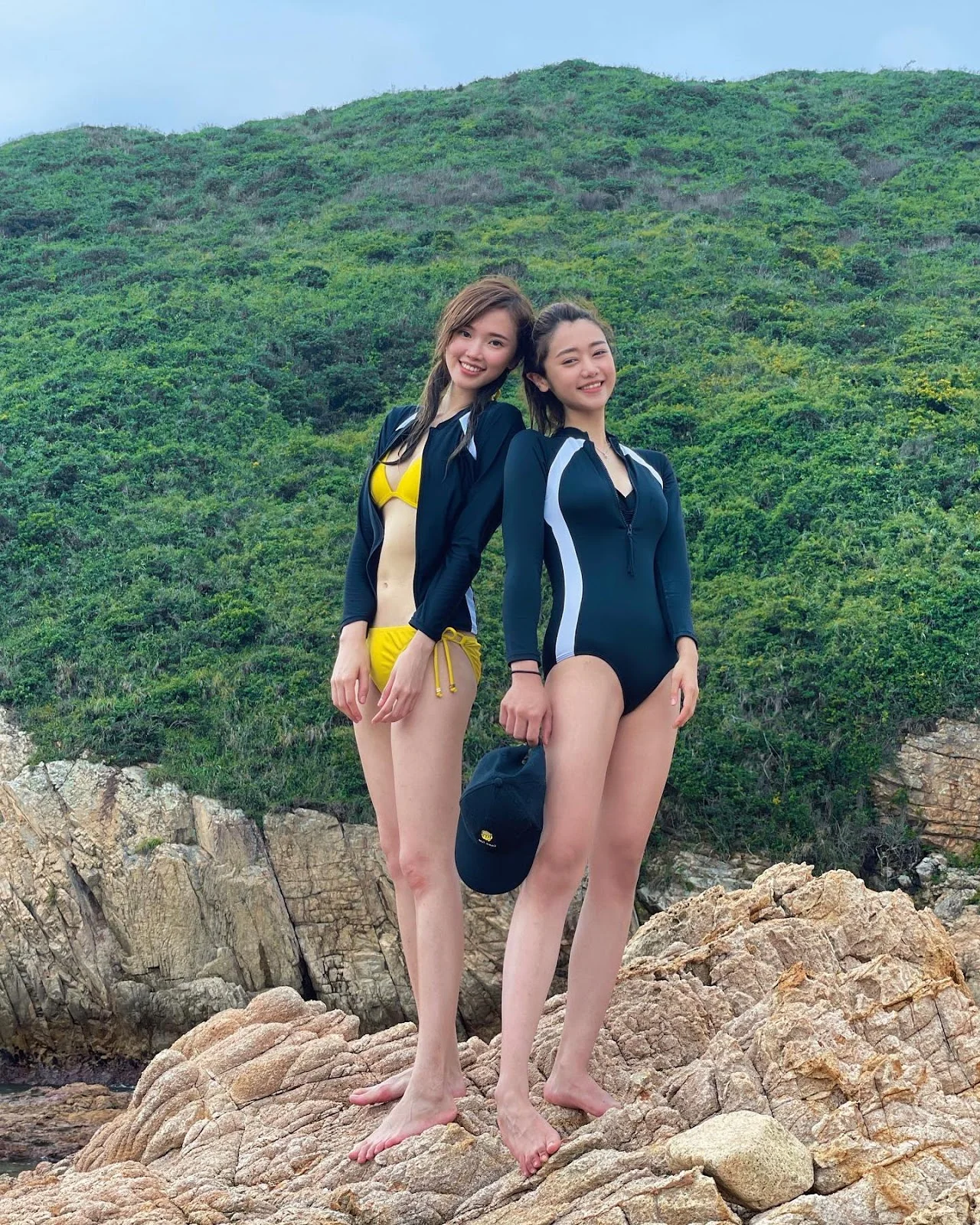
Further reading: our Green Egg Island kayaking guide covers access, snorkelling considerations and photo spots.
Hoi Ha Wan Marine Park
- Difficulty: ★★☆☆, depending on the route, ability and conditions.
- Highlights: An important marine-park setting with coral and fish habitats. Visibility varies, and observation should avoid contact with coral or disturbance to wildlife. Check current marine-park rules and rental arrangements.
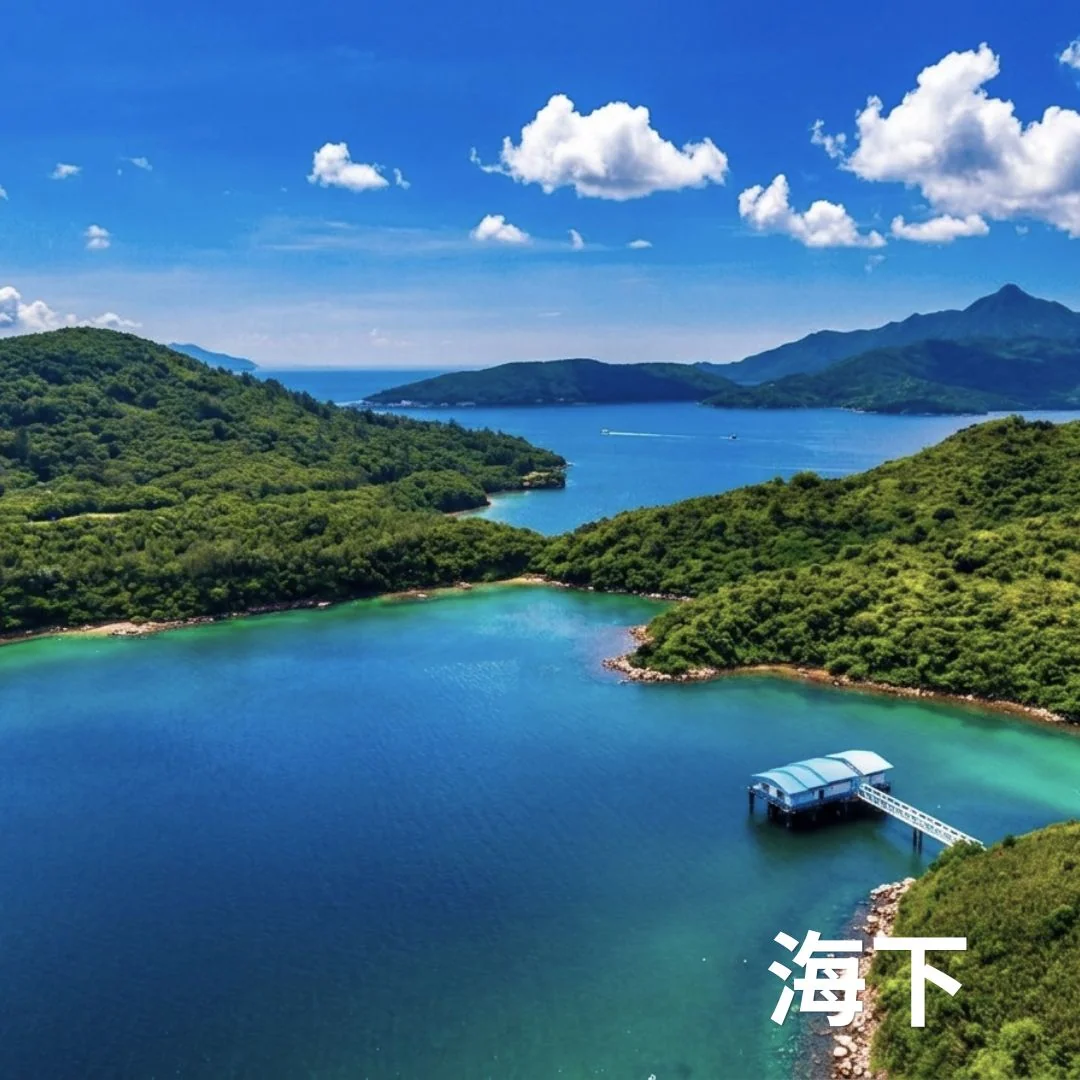
Further reading: our Hoi Ha Wan ecological kayaking guide covers coral observation, rental and park precautions.
Sharp Island and Its Tombolo
Sharp Island is an activity destination, not Kayarine’s meeting base. For a Kayarine activity or Sai Kung kayak and SUP rental, walk around five minutes along the waterfront from Sai Kung Pier to the Kayarine meeting and equipment collection point. Rental includes equipment and a basic pre-departure safety briefing, not an instructor throughout. Choose a guided or family tour if you want continuous instruction.
- Difficulty: Introductory options may be available with guidance; the actual crossing and route determine suitability.
- Highlights: Distinctive ‘pineapple bun’ rocks, a tombolo exposed at suitable low tides and beaches around the island.
- Who might enjoy it: Families, first-time participants and visitors interested in snorkelling, where the chosen programme and conditions suit them.
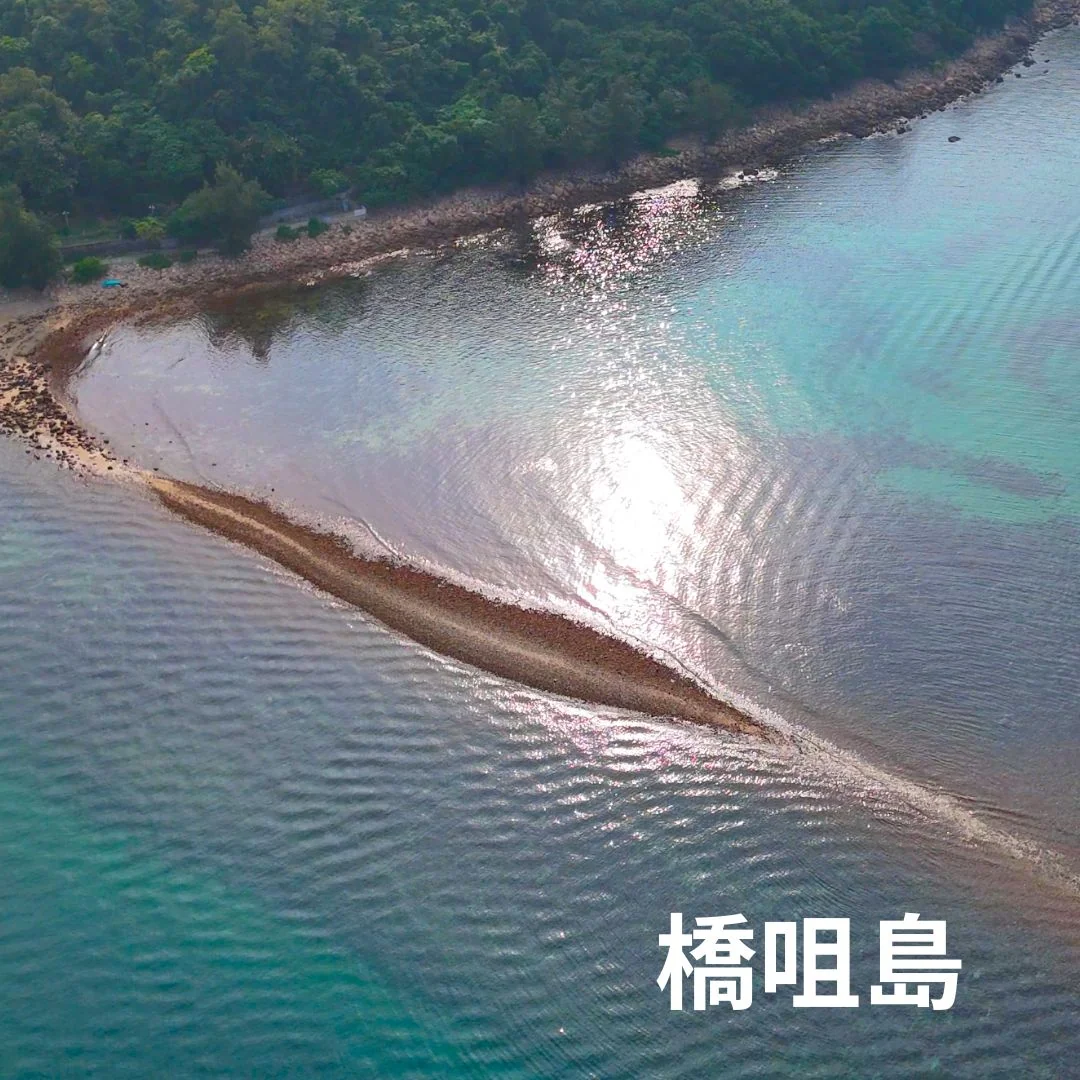
When planning bays around Sharp Island, account for your launch point, weather and fitness. One quieter destination mentioned in this guide is Long Mong Wan.
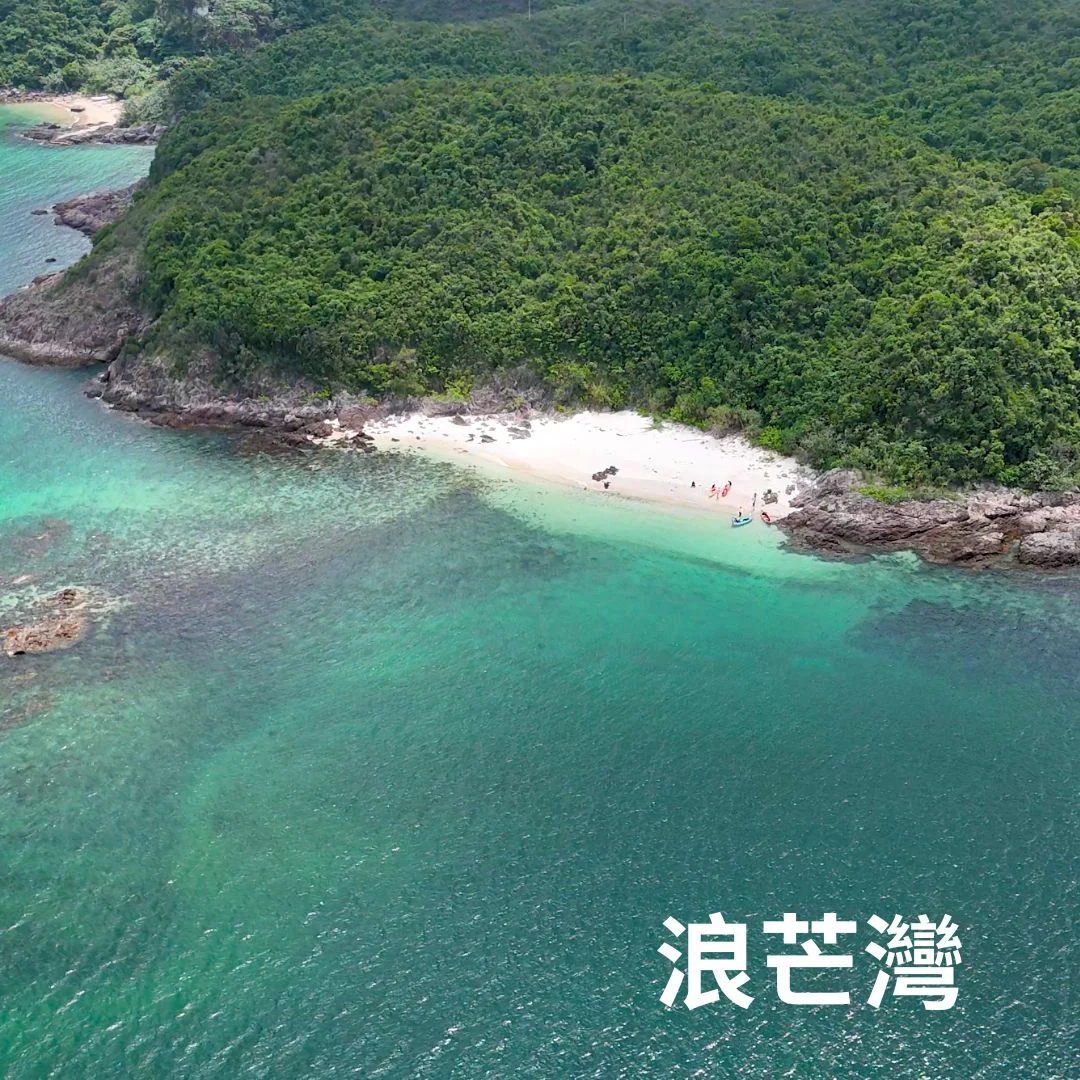
Long Mong Wan
Long Mong Wan is a beach area around Sharp Island with rocky surroundings and green-blue water. Its appeal for photos or snorkelling depends on visibility and sea conditions; shallow-looking water is not automatically calm or safe. For Kayarine bookings, follow the meeting point and actual route stated on the booking page and departure notice.
- Difficulty: Assess the actual starting point, weather, exposure and your fitness.
- Highlights: Coastal scenery and a quieter atmosphere than some pier-side locations. Snorkelling and aerial photography depend on conditions and applicable rules.
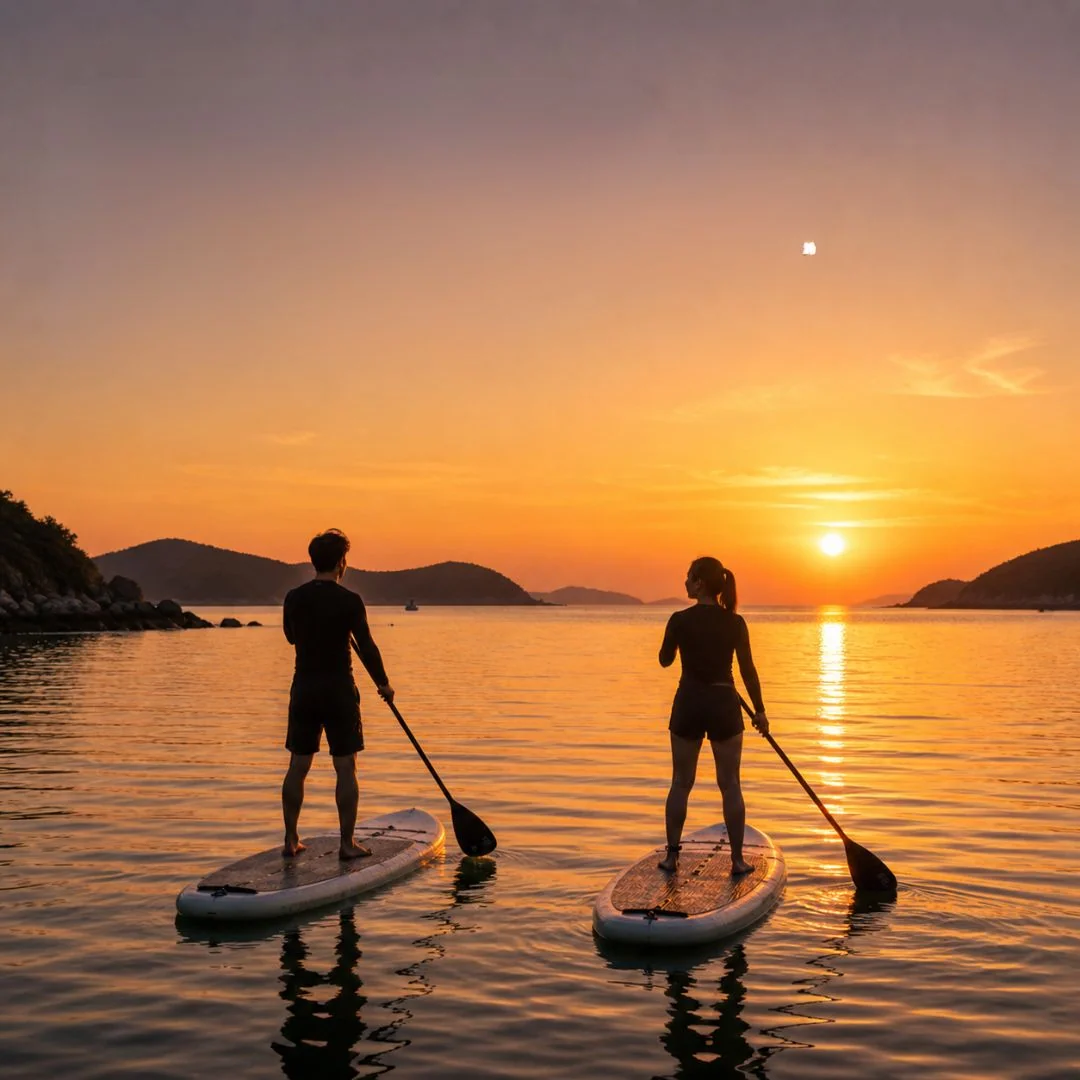
A guided sunset session offers another way to enjoy the changing light over Sai Kung’s water. Check the advertised route and return arrangements rather than assuming an independent trip can safely continue after dark.
Before visiting Sharp Island's tombolo, read our Sai Kung tide and paddling guide and the Hong Kong Observatory forecast, then plan your route and return around the conditions.
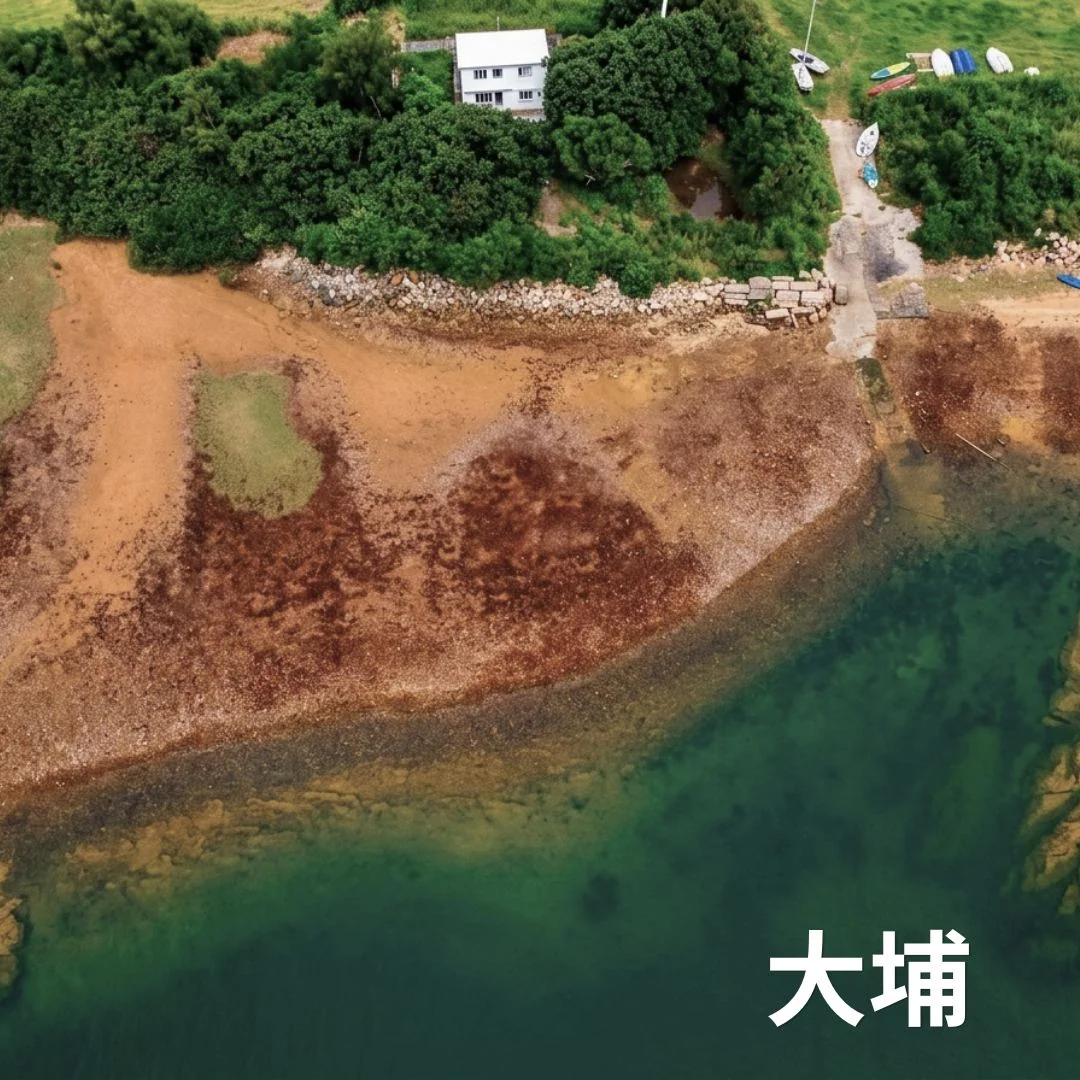
2. Tai Po: Tolo Harbour and Tai Mei Tuk
Tai Mei Tuk and Ting Kok have water-sports centres and kayaking opportunities. A route towards Ma Shi Chau can introduce distinctive rock formations, but distance, weather and access need planning with the provider.
3. Southern Hong Kong Island
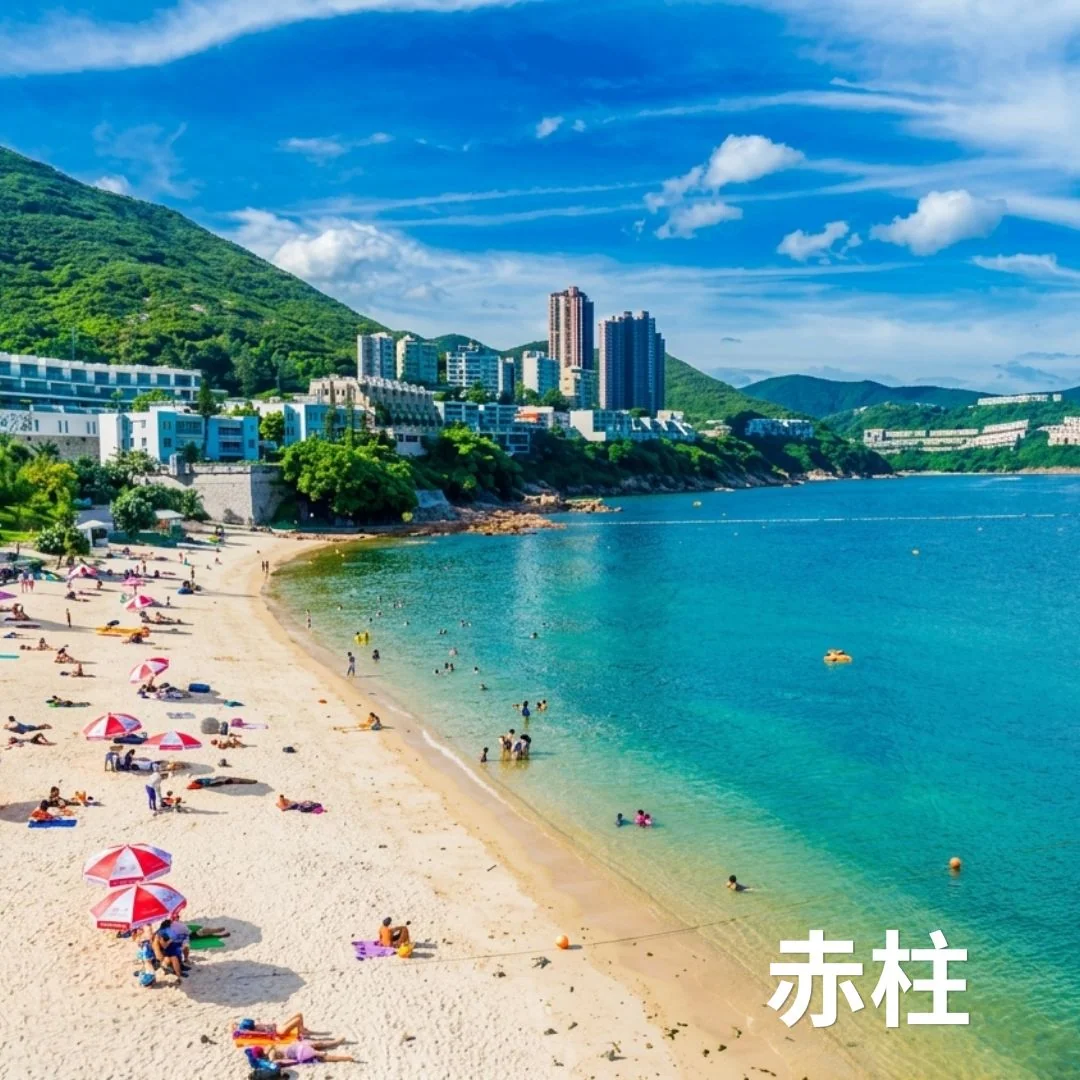
Stanley is accessible from urban areas and offers kayaking options, though St Stephen’s or Stanley-area conditions and the more exposed coastline towards Cape D’Aguilar require separate assessment. Do not choose a rough-water route simply for excitement; experience and local guidance matter.
2. Beginner Questions: Certificates and Choosing a Kayak
Different craft and providers have different requirements. Here is an introduction to common designs and the questions to ask before renting.
1. Kayak and Canoe: What Is the Difference?
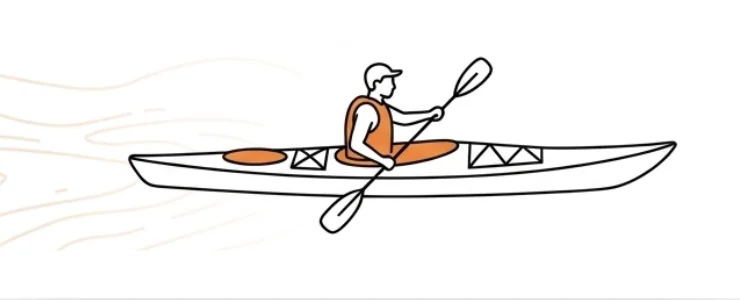
In everyday Chinese both may be called ‘獨木舟’, but the usual seating and paddles differ:
- Kayak: Typically uses a double-bladed paddle, alternating strokes on both sides. The paddler sits low with legs forward. This is a common type at Hong Kong recreational rental locations.
- Canoe: Typically uses a single-bladed paddle. Paddlers sit on a raised seat or kneel, and the open hull often has more room for equipment. Designs vary with the intended water and activity.
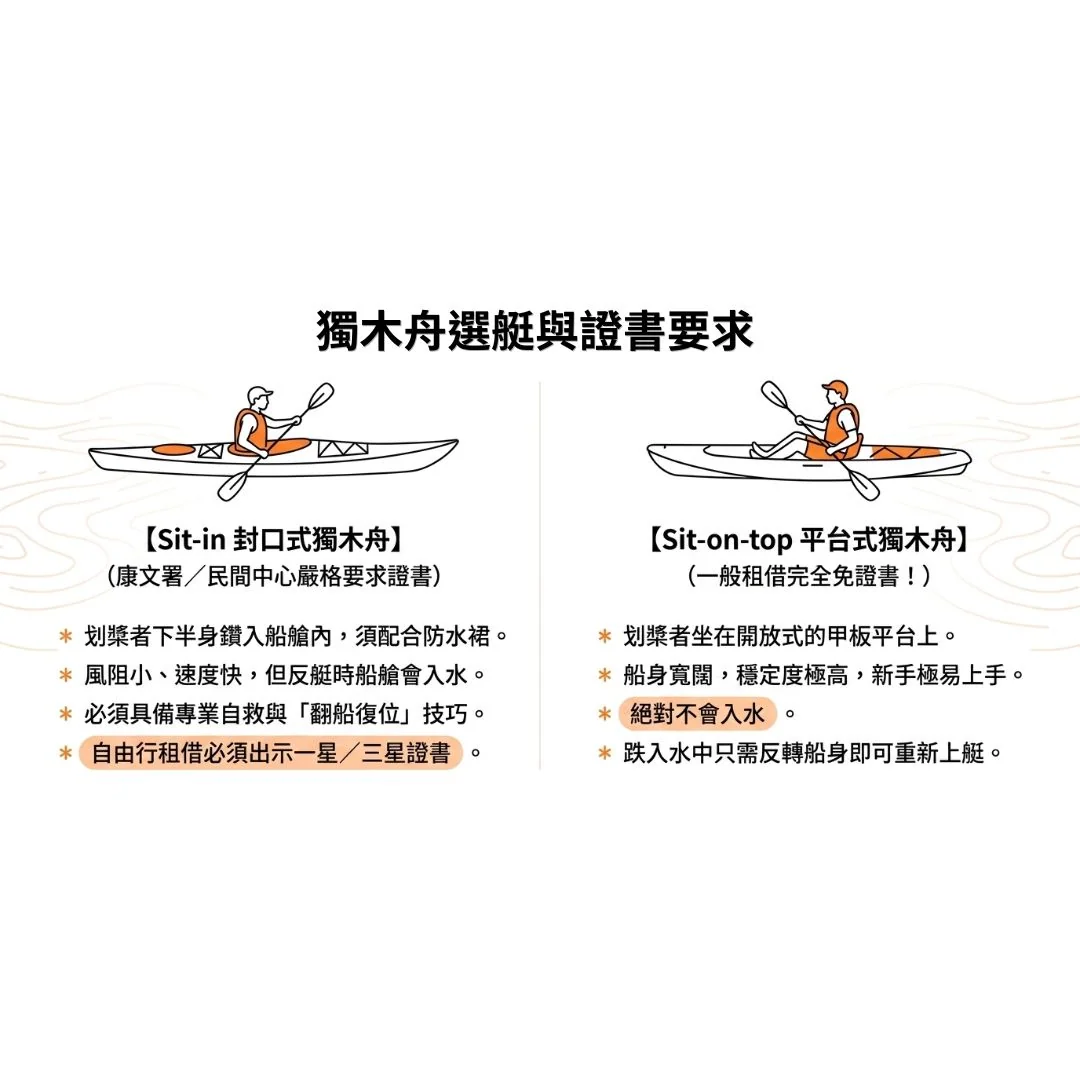
2. Sit-In and Sit-On-Top Kayaks
These designs differ in seating, exposure and capsize procedures. Certification and skill requirements depend on the operator and route, not on hull type alone.
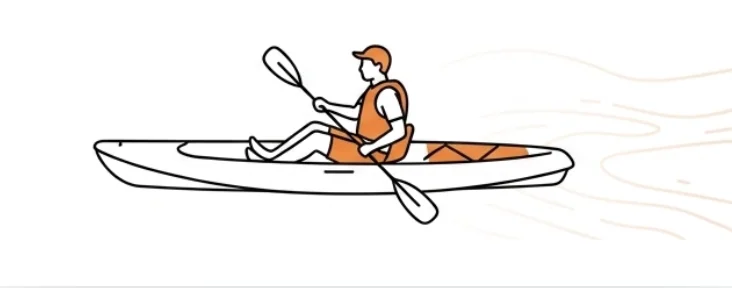
⚠️ A sit-on-top may be easier to exit after a capsize, but deep-water re-entry still requires technique, strength and a practised assistance plan. It is not a guarantee against flooding, separation or drowning.
3. Do I Need a Certificate?
Some private operators rent recreational sit-on-top kayaks without a star-award certificate. Ask the actual provider about swimming ability, experience, age and route restrictions; other operators and craft may require proof of training.
No certificate requirement does not mean no preparation is needed. Wind, tides and currents can make a simple-looking trip difficult. For a first outing, an instructor-led experience gives you an opportunity to learn basic control and safety procedures while following an assessed route. Avoid an independent offshore trip before you have the relevant skills.
Looking for a Guided First Experience?
Our instructor-led activities provide guidance throughout. Photography may also be included where offered and conditions permit; check the current booking page for the exact inclusions and arrangements.
3. Equipment and Sun Protection: What to Bring
Expect splashes, wet clothing and time in direct sun. Appropriate equipment makes the outing more comfortable and helps you prepare for changing conditions.
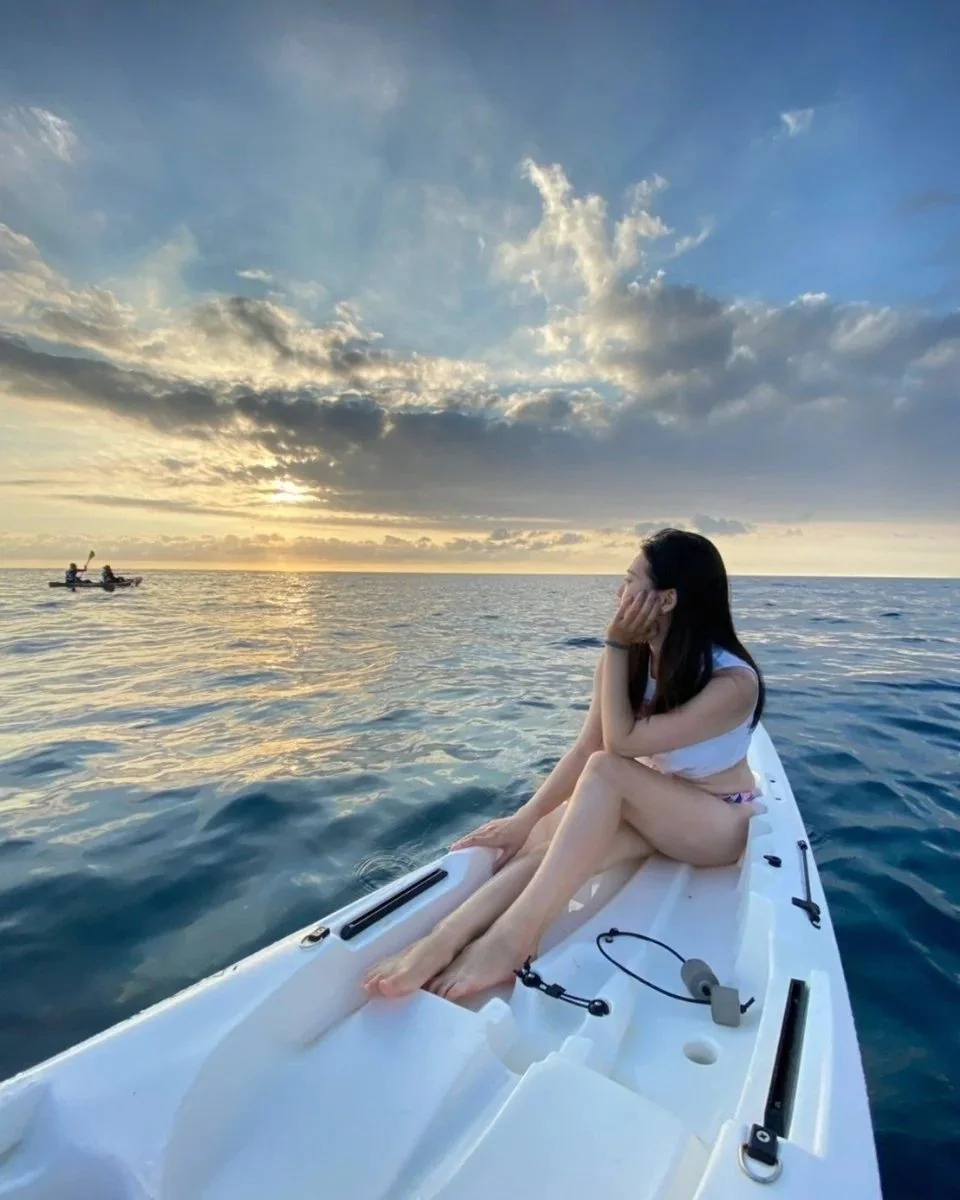
🎒 Personal Equipment
- Closed-toe water shoes: protect your feet from sharp stones and shells. Loose flip-flops are not suitable paddling footwear.
- A long-sleeved rash guard or other suitable sun-protective clothing. Coverage can reduce abrasion and some contact exposure, but does not guarantee protection from stings.
- A sun hat and sunglasses, with appropriate retention straps that do not create entanglement hazards.
- A suitable dry bag, often around 10–20 litres, for essentials and dry clothing. Use additional protection for electronics; a bag is not a guarantee against water damage.
- Enough drinking water and snacks for the planned duration, heat and a delay. The guide’s 1.5–2-litre reference must be adjusted to your needs.
⚓ Equipment to Confirm with the Provider
- An appropriate, correctly fitted life jacket or buoyancy aid, worn and fastened throughout as instructed.
- A suitable kayak and paddle. A spray skirt is for an appropriate sit-in setup and users trained in its release procedures, not a general beginner accessory.
Basic Paddling Concepts
Written tips are only a starting point. Learn and practise with a qualified instructor:
- 1. A stroke on one side tends to turn the boat away from that side, depending on the stroke and craft.
- 2. Orient the paddle blades correctly for their design; ask the instructor to demonstrate the power face.
- 3. Immerse the blade properly without unnecessarily burying the shaft.
- 4. Reach forward, place the blade cleanly and draw it alongside the boat with controlled body rotation rather than splashing at the surface.
- 5. A controlled stopping stroke uses the paddle to resist forward motion.
- 6. Reverse strokes move the kayak backwards; check behind you first.
- 7. For resting or rafting together, follow the instructor’s method. Do not casually tie boats together with loose lines, which can create entanglement and capsize hazards.
A Few Kayaking Notes
- Wind and waves can make speech hard to hear. Agree on paddle and hand signals with the group before launch, including the specific signal for assistance. Do not assume every group uses identical signals.
- Kayaks and canoes have long histories as practical water transport, well before modern recreational paddling.
- Organised recreational canoeing developed in the nineteenth century, with clubs and races contributing to the sport’s growth.
4. Kayaking with Children and Dogs
A family outing needs additional preparation. Discuss the participants and equipment with the provider before booking:
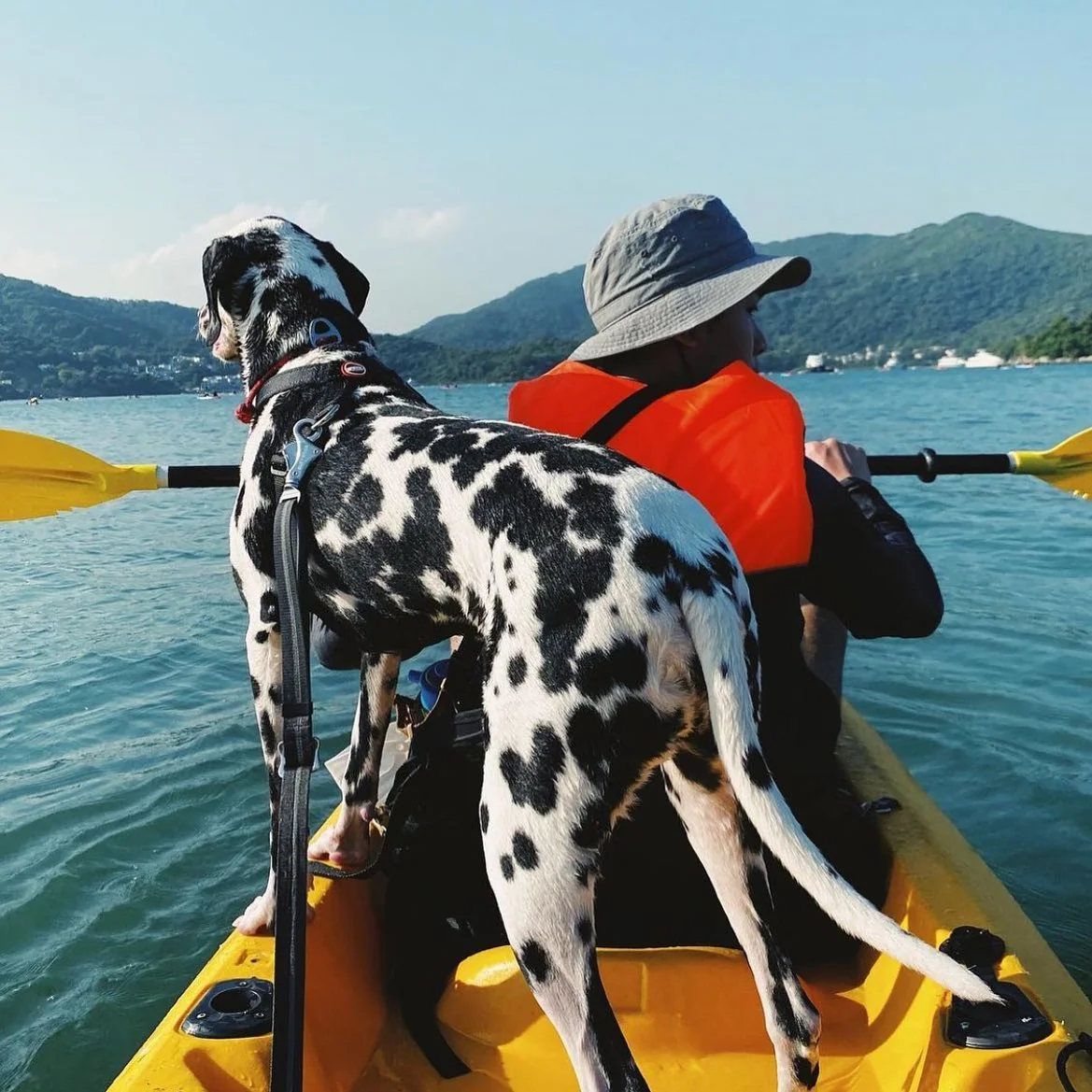
- Capacity and seating: Some family kayaks can accommodate two adults and a small child or dog, but the manufacturer’s rated load and approved seating govern. Include equipment weight and never assume every tandem has an extra passenger seat.
- Appropriate child and dog life jackets: Swimming ability does not remove the risks of waves, fatigue or panic. Every participant needs suitable flotation, correctly fitted and used according to the provider’s instructions.
Further reading: our family and pet kayaking guide covers route choices, preparation and sun protection.
5. Water Safety and Tides
- Stay within your ability and do not paddle alone: Conditions can change quickly; beginners should not head offshore independently.
- Keep checking the forecast: Review current Observatory warnings and the operator’s cancellation rules. Do not wait for a particular signal number if local conditions are unsuitable, and follow the provider’s more conservative rules where applicable.
- Avoid overheating and dehydration: Open water offers little shade. Take appropriate breaks, drink regularly and report discomfort or illness promptly.
6. Plan Your Next Guided Water Activity
- Instructor support: Guided and family tours include instructors; self-guided rental does not include continuous accompaniment.
- Photography: Selected experiences offer drone or camera photography where conditions and operating rules permit. Confirm the current inclusions; weather or safety needs may limit filming.
- Payment options: Check the booking flow for available methods, which may include PayMe, FPS and credit cards.
🎁 Promotional code noted in this guide: The original article advertises a kayak rental or guided-activity code, HKIA1, for 5% off. Promotions may expire or have conditions, so confirm eligibility before paying. If an eligible discount does not apply and you choose an offline method such as PayMe, contact Kayarine to confirm the correct amount before making payment.
Browse current dates and activity details. Guided options include the equipment, briefing and instructor support stated on the booking page; participant requirements and photography arrangements vary by experience.
Frequently Asked Questions
Can I kayak if I cannot swim or am not a strong swimmer?
Tell us your swimming ability before booking so we can confirm suitability. Falling into the water is possible, and a life jacket does not make the activity risk-free. Guided or family tours provide instructor support, but you must follow the safety briefing, wear the required equipment and comply with on-site arrangements.
I do not exercise much. What if I struggle to paddle back?
Tell the provider about your fitness before choosing a route. Introductory guided outings can include rest stops and a manageable pace, but weather and individual fatigue still matter. Report tiredness early so the instructor can adjust the plan or arrange assistance. Do not rely on towing as a reason to exceed your ability.
Can I bring my phone, and is a waterproof bag provided?
Confirm what the activity supplies and bring suitable protection for your own valuables. A phone-specific waterproof case inside an appropriate dry bag is safer than a trouser pocket, but water damage or loss is still possible. Check whether your guided experience includes photography, so you can minimise handling electronics on the water.
Do kayaks capsize, and what happens if mine does?
A broad sit-on-top can feel stable, but any kayak can capsize in waves, during awkward movement or after a collision. Stay calm, keep your flotation on and follow the practised instructions for staying with the craft and receiving help. Deep-water re-entry needs technique and assistance; neither the hull nor an instructor guarantees an instant or risk-free recovery.
Can I bring a child or dog, and do I need extra equipment?
Contact us before booking to confirm the actual kayak’s seating, load limit and participant requirements. Child life-jacket sizes must fit correctly. For dogs, arrange a suitable dog life jacket and confirm pet acceptance in advance. Pack water, sun protection and dry clothing, and keep the route appropriate to the most vulnerable participant.
What should I do about glasses or contact lenses?
For glasses, bring a suitable retention strap and check that it does not interfere with other equipment. Water activities still carry a risk of losing them.Contact-lens users should be especially careful: water exposure while wearing contacts can lead to eye infection, so we do not recommend wearing contact lenses for snorkelling. Consider a properly fitted prescription mask and ask an eye-care professional about the best option for your needs.
How can I protect myself from the sun while respecting marine life?
Prioritise suitable long sleeves, protective trousers, a hat, sunglasses and shade where possible, while using sunscreen as directed on exposed skin. ‘Reef-safe’ or ‘ocean-friendly’ wording is not by itself a guarantee of environmental safety. Follow local guidance and avoid touching coral or leaving waste. For clothing, consider Kayarine rash guards, with the product’s stated UPF rating and quick-drying design. Coverage can help but does not promise all-day freedom from sunburn or stings. Visit the Kayarine brand shop (shop in Chinese).
How should I choose between Green Egg Island, Hoi Ha Wan and Sharp Island?
Start with your group’s ability and purpose, then compare actual launch points and conditions. Sharp Island offers geology and beach scenery on appropriately planned routes; Green Egg Island appeals for coastal views but needs careful access planning; Hoi Ha Wan is especially relevant for marine ecology and park rules. None guarantees clear water or suitability for every beginner, and Kayarine’s bookable route must be checked separately.