
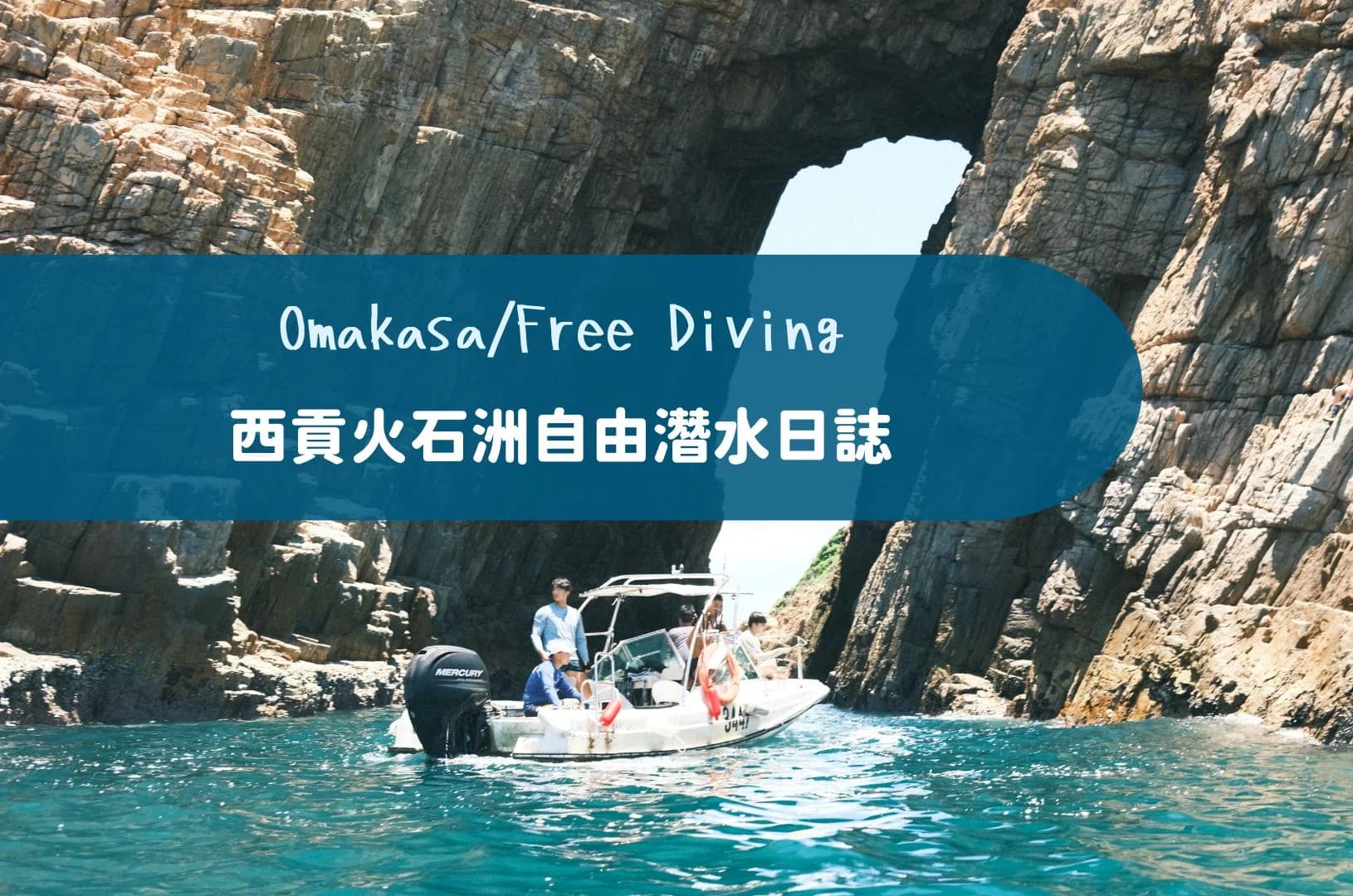
Fire Stone Islet, or Fo Shek Chau, lies in Sai Kung’s Ung Kong island group. A private speedboat from Sai Kung may take around 30 minutes in suitable conditions. The guide’s winter trips encountered good visibility, but conditions vary throughout the year. Below are access notes, site descriptions, equipment considerations and a personal diving diary, not a substitute for local dive planning.
What Is Fire Stone Islet?
Fo Shek Chau is a prominent island in Sai Kung’s Ung Kong group. Its eastern coast can offer interesting underwater terrain on suitable days, although exposure and visibility require on-site assessment. Memorials to a 1948 air crash also give the island historical significance.
Getting to Fire Stone Islet
| Transport | Departure | Indicative time | Indicative cost | Notes |
|---|---|---|---|---|
| Private speedboat | Sai Kung Pier | Around 30 minutes | HK$300–500 return per person | Arrange with an operator; landing and dive access depend on conditions. |
| Kayak | Sha Ha, Sai Kung | Original guide estimate: 2–3 hours | Rental charged separately | An exposed, demanding journey for suitably experienced paddlers, not a beginner access route. |
| Boat plus walking | Sai Kung Pier | Original estimate: 1.5 hours or more | Original estimate: HK$30–50 | No scheduled island service is confirmed here. Do not rely on this option without verifying an actual operator, landing point and safe walking route. |
Planning tip:For a first visit, discuss a boat-supported trip with a qualified local freediving provider. Confirm the landing point, return transport and sea conditions rather than assuming a speedboat can always reach the eastern beach.
Sites Mentioned in the Guide
| Site | Depth noted in the original trip | Features | Suitability |
|---|---|---|---|
| Eastern beach area | 6–8 metres | Rocky underwater terrain and clear views on suitable days | Only with appropriate training, supervision and conditions |
| Sharp Island ‘Yuen Ngan Lung Tau’ area | 3–6 metres | Coral and seasonal sargassum; a separate Sharp Island location | Instructor-assessed introductory site, not part of Fire Stone Islet |
| Kwan To Cave area | 6–10 metres | Striking sea-cave scenery and marine life | Experienced, locally guided visitors only; cave penetration is not recommended here |
Seasonal Conditions
Visits depend on the day’s sea conditions. The original guide particularly describes October–March, when some trips had clear water and seasonal sargassum. This is not a guarantee of visibility or access: winter monsoon winds and cold water can be limiting, while summer brings typhoon and thunderstorm risks. Check forecasts and the operator’s assessment.
| Season | Months | Indicative visibility | Indicative water temperature | Preparation |
|---|---|---|---|---|
| Autumn–winter | October–March | Trip estimates of 8–15 metres; highly variable | 16–22°C | A 3–5 mm wetsuit may be considered, with exposure protection selected for actual conditions. |
| Spring | April–May | Variable | 22–26°C | Assess water temperature, visibility and weather on the day. |
| Summer | June–September | May be reduced by plankton and other factors | 27–30°C | Monitor typhoons, thunderstorms and swell; cancel when unsuitable. |
Equipment and Support for Freediving
- Mask: A well-fitting low-volume mask reduces the air needed for mask equalisation; it does not replace correct ear-equalisation technique.
- Snorkel: A simple suitable snorkel for surface use; follow your instructor’s clearing and removal procedures.
- Fins: Choose comfortable blades appropriate to your ability, not simply the stiffest carbon or fibreglass model. See our fin selection guide.
- Wetsuit: Select thermal protection for the water, weather and your individual needs; 3–5 mm is only a seasonal reference.
- Weight belt: Weighting must be assessed by a qualified instructor, with an appropriate quick-release arrangement. Do not copy someone else’s weight setup.
- Surface support: A properly equipped freediving float and safety setup should be organised by the provider. A scuba BCD is not standard freediving equipment or a substitute for trained buddy cover.
- Sun-protective clothing: Suitable UPF-rated coverage can help protect exposed skin at the surface.
- Drinking water and food: Do not rely on supplies on the island. Bring enough for the full trip and a delay; the original 1.5-litre suggestion should not be treated as sufficient for every person or condition.
Trip Diary: Fire Stone Islet with Instructor Simon
Freediving offers a quiet way to see the underwater landscape without breathing from a scuba cylinder. In this trip diary, the author describes learning to relax under supervision. Relaxation is not permission to extend a breath hold beyond training or ignore warning signs.
Without the sound of a scuba regulator, the underwater atmosphere can feel especially quiet. Marine life was a memorable part of this visit. Observe without disturbing or collecting animals, and follow local conservation rules.
The First Dives
The diary first recalls a separate visit to the Sharp Island ‘Yuen Ngan Lung Tau’ area, described as around 3–6 metres deep. Clear winter water and dense sargassum created an almost fantastical scene. The cold was noticeable, reminding us that suitable thermal protection matters as much as the view.
The Fire Stone Islet Trip
As the author spent more time at sea, the underwater quiet became a welcome break from everyday concerns. Reaching Fire Stone Islet normally requires careful boat arrangements; paddling there is a demanding undertaking, not an interchangeable shortcut for a dive trip.
On this particular visit, the diary records light southwesterly wind and a sheltered position on the island’s eastern side. With experienced instructor Simon, the group encountered sunshine and clear water. Those conditions describe that day only, not a promise for future trips.
Traces of the Island’s History
The island’s memorials commemorate an air crash on 21 December 1948. Among those who died was Quentin Roosevelt, a grandson of former US President Theodore Roosevelt. The site adds a sombre historical dimension to the coastal scenery.
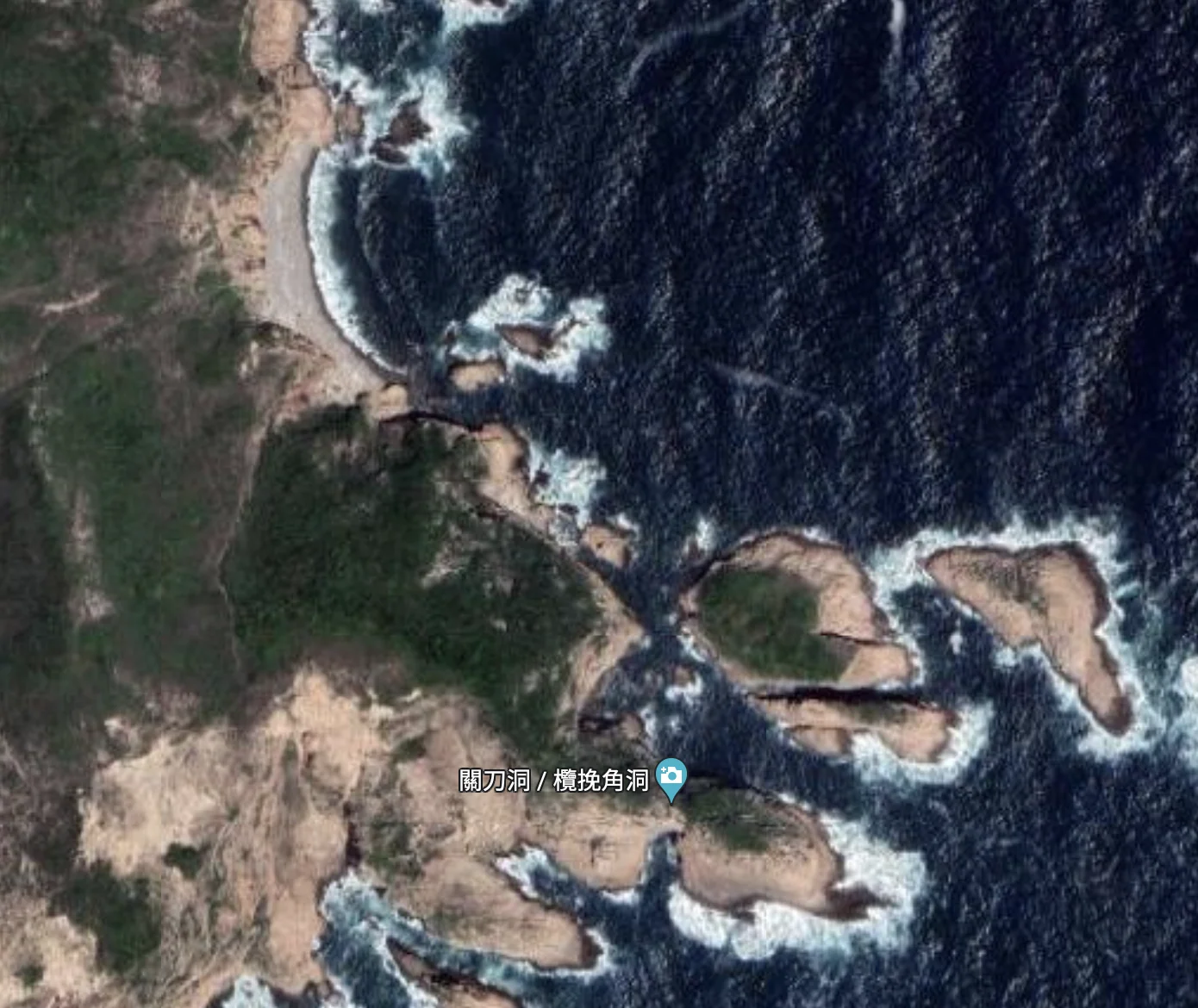
The group left bags on a small beach and prepared masks, snorkels and fins before moving towards the Kwan To Cave area. The diary describes water around 6–8 metres deep and distinctive underwater terrain. Depth alone does not establish whether a site is suitable for a diver.
Marine life appeared along the route, and after roughly half an hour the dramatic cave scenery came into view. Admiring a sea cave from a safe position is different from entering an overhead environment; this guide does not recommend cave entry on a breath hold.
The diary records arrival around 11 am and a return for food around 3 pm, followed by a boat meal after the swim back. Fish caught during the trip were also part of the original account. This is a recollection, not advice to eat freshly caught fish raw or to collect marine life; arrange suitable food and follow local rules.
Before You Go
- Never freedive alone: Use a trained buddy and proper one-up, one-down supervision appropriate to the activity. Simply having another person somewhere nearby is not enough.
- Check weather and sea conditions: Consult the Hong Kong Observatory and your provider. A wind-force number alone cannot establish safety; direction, swell, currents, visibility and warnings all matter.
- No dependable island supplies: Bring drinking water, food, first-aid provisions and the safety support agreed with your operator.
- Respect marine life: Do not damage coral or collect animals. Check the actual protected-area boundaries and current rules with the local provider rather than assuming the whole coast has one designation.
- Beginners should use qualified instruction: Start with formal training and an instructor-assessed site. A guided trip reduces some risks but never guarantees safety.
Frequently Asked Questions
Do I need a freediving certificate to visit Fire Stone Islet?
Ask the dive operator about its certification, experience and insurance requirements. A recognised freediving course and trained-buddy skills are strongly advisable before an open-water trip. This guide does not establish a legal exemption or replace current local access rules.
Is Fire Stone Islet suitable for beginners?
Not automatically. The eastern site’s reported 6–8-metre depth does not make it an entry-level location in every condition. Complete introductory training first and let a qualified local instructor assess your ability, the weather, access and supervision arrangements.
How do I get there?
A pre-arranged private boat from Sai Kung is a common option to discuss with operators. This guide’s rough reference is 30 minutes and HK$300–500 return per person, but confirm current prices, sea conditions, landing arrangements and the return pickup directly.
Want to Read More About Sai Kung Water Activities?See our Sai Kung Kayaking Routes Guide and Freediving Basics Guide.
Want a Guided Introduction to the Underwater World?
Kayarine’s Sharp Island kayak and snorkelling experience includes equipment and an instructor. It offers a different, surface-based introduction to marine scenery; check participation requirements and remember it is not a freediving certification course.