
Hong Kong Kayak Fishing Guide 2026: Protected Waters, Gear, Launch Sites and Safety
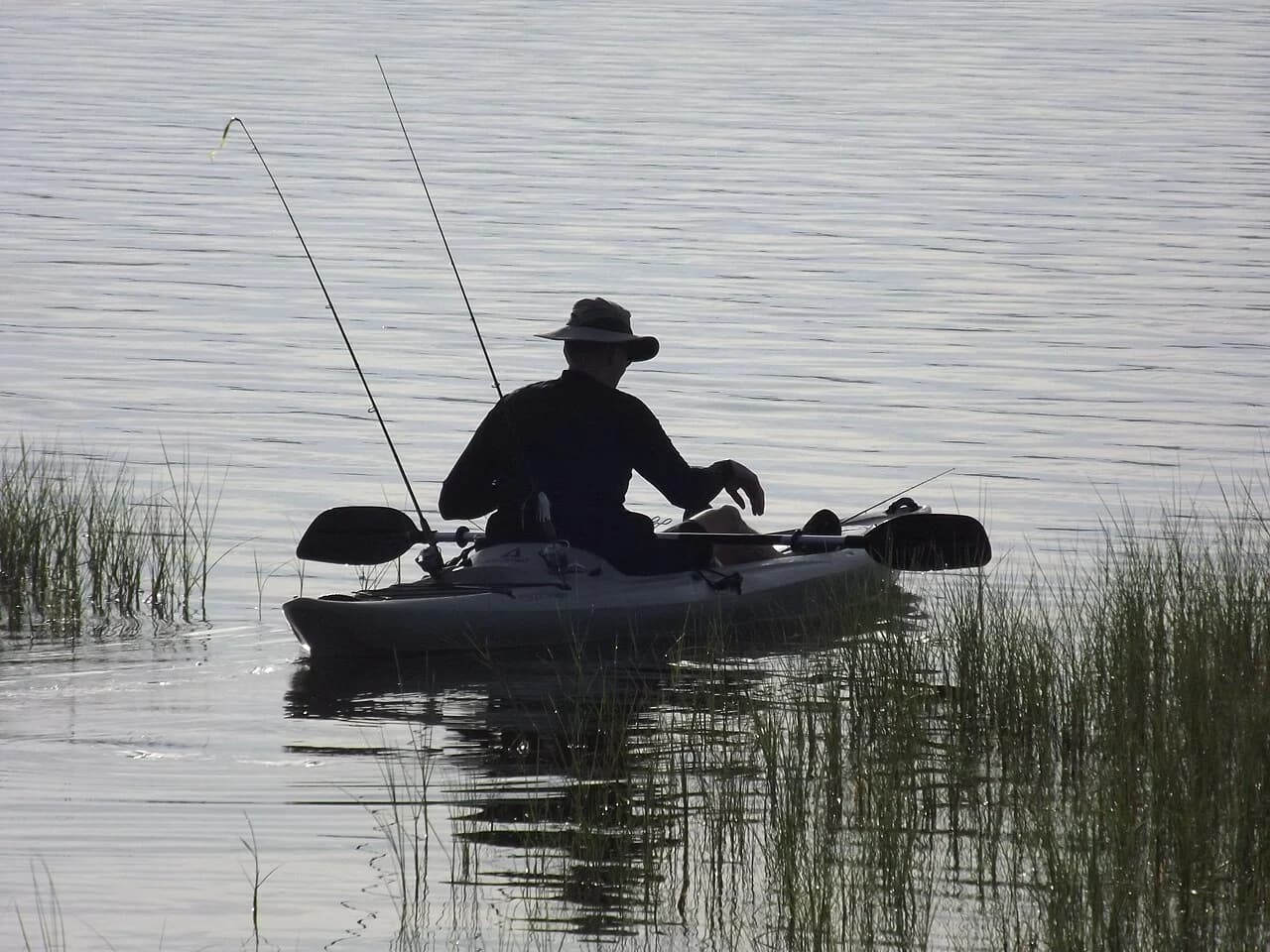
Kayak fishing remains a niche activity in Hong Kong, but it offers an alternative to fishing from the shore:you can reach suitable water beyond the shoreline.A small craft can reach sheltered bays without chartering a large boat. That independence also demands paddling skills, a buddy plan and careful route selection; it is not a reason to head out alone.
Drawing on Kayarine's experience with water activities in Sai Kung, this guide focuses on three issues specific to fishing from a kayak:restricted fishing waters, equipment layout and what to prepare for a capsize.
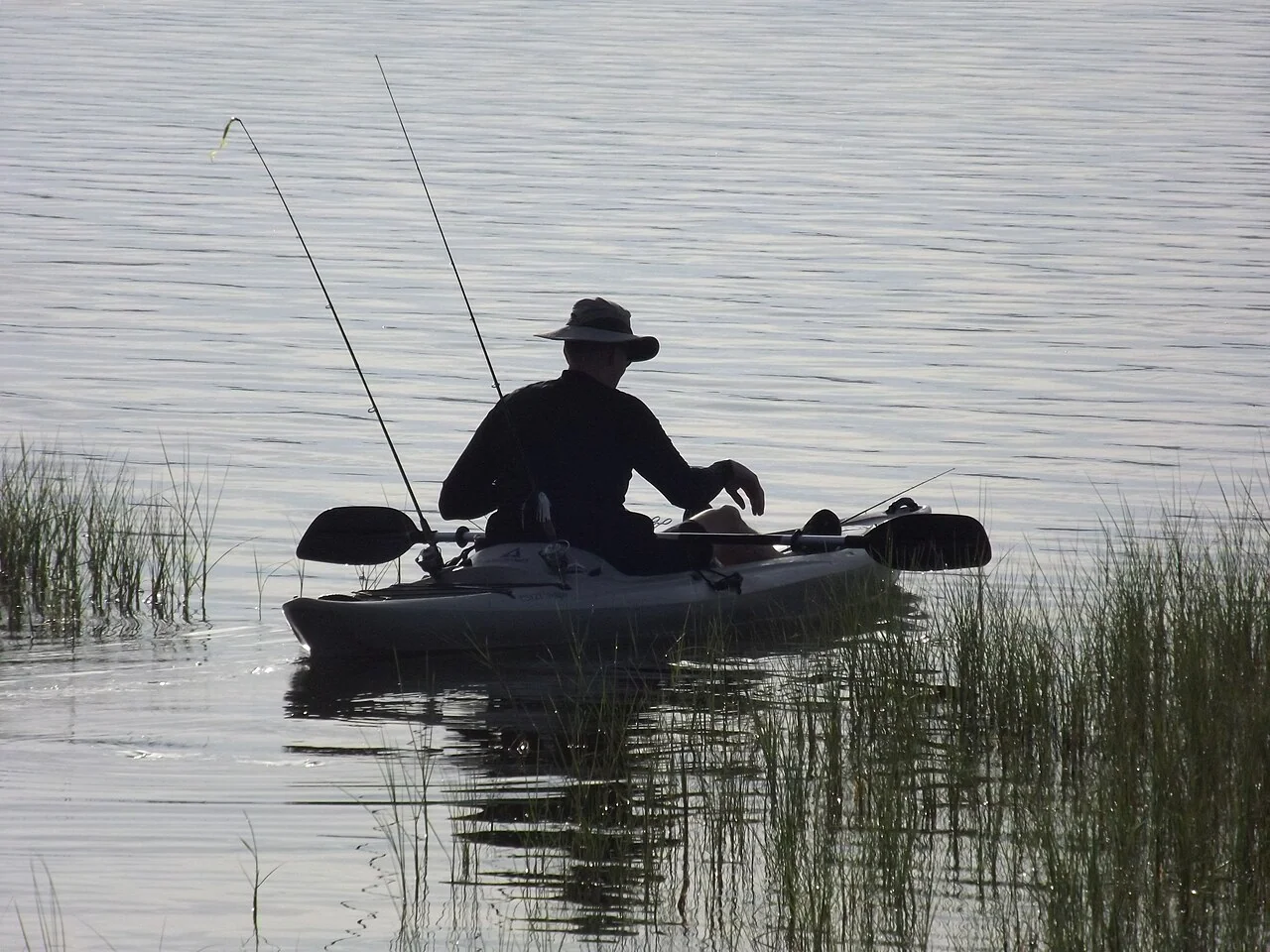
1. Start with the rules: where fishing is restricted
⚠️ Read this section before planning a trip.
Marine parks and marine reserves have strict fishing controls
Hong Kong's Marine Parks Ordinance provides the framework for protected marine areas. The associated Marine Parks and Marine Reserves Regulation controls activities within their boundaries: fishing in a marine reserve is prohibited, while marine-park fishing requires a valid permit.
Check AFCD's current list of designated marine parks and the marine reserve rather than relying on an old map or count. Sai Kung paddlers should also follow any changes concerning Sharp Island: a proposed marine park is not the same as an enacted boundary. Check the current designation and commencement notices before deciding where fishing is permitted.
Practical approach: consult official boundary maps before departure and do not fish inside protected waters without the applicable authorisation. Keep track of your position; visible boundary markers do not replace a map.
Licences and fishing methods
- Recreational angling: do not assume that a rod gives unrestricted access. Confirm site rules and any applicable permit requirements for the intended location and activity.
- Nets and fishing gear: these may be subject to different fisheries controls. Do not add net fishing to a kayak trip without checking the rules.
- Trawling is prohibited: Hong Kong's trawl ban took effect on 31 December 2012 to protect marine habitats and fisheries resources.
- Victoria Harbour: busy shipping routes and vessel wakes make this unsuitable for casual kayak fishing. Marine events can also require approval. For designated activity options, see the Kowloon water activities guide.
An alternative: authorised recreational fishing rafts
Book an authorised raft rather than assuming that an entire fish culture zone is open to visitors. AFCD began allowing recreational fishing on qualifying rafts in 2002; arrangements have since evolved, including the Fish enJoy scheme launched in 2025. Check the operator's authorisation before booking.
Marine fish farms raise fish in floating net cages. Familiar farmed fish include groupers and sea bream. These are working aquaculture sites, not public kayak-fishing grounds, and visitors must respect their operating areas.
2. Choosing a kayak: why sit-on-top designs are common
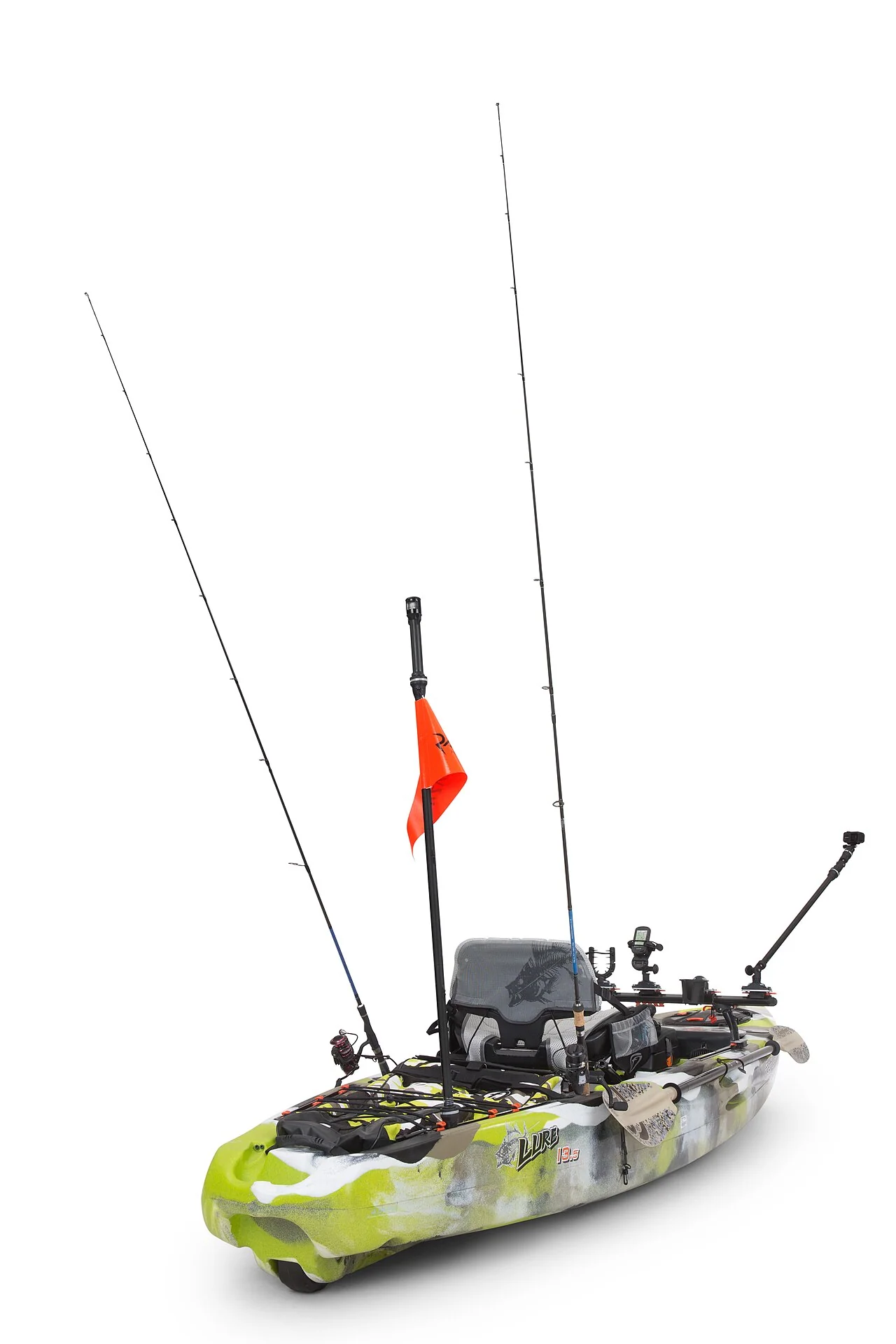
| Craft | Suitability | Advantages | Limitations |
|---|---|---|---|
| Rigid sit-on-top | Often a practical choice | Open deck and accessible storage; re-entry can be more straightforward with training | Some models are slow or affected by wind; stability depends on design and loading |
| Sit-in kayak | Requires suitable skills and setup | Efficient paddling and some protection from spray | Restricted working space; flooded-cockpit recovery requires appropriate training |
| Inflatable kayak | Model-dependent | Portable; some models offer accessible entry costs | Hooks can puncture the craft; wind performance and carrying capacity vary |
| Tandem kayak | Depends on teamwork | Paddling and fishing tasks can be shared | Casting clearance and coordinated movement need planning |
For equipment comparisons, see rigid kayaks and hard SUP boards. For the difference between craft types, read kayak versus canoe.
3. Equipment: what to bring and where to put it
The main difference from shore fishing is that deck space is limited and loose equipment can disappear overboard. Secure items without creating an entanglement hazard or blocking re-entry.
Essential safety equipment
- Personal flotation device: wear a correctly fitted, fastened PFD throughout. Distraction while fishing makes this especially important.
- Whistle: keep it accessible on your PFD as an additional signalling tool.
- Waterproof phone pouch: carry a usable means of communication on your person, secured without a loose loop around your neck.
- Paddle retention: use a suitable deck holder or a leash system recommended for the craft and conditions. Loose cords can entangle you; practise releasing them.
- Lighting: a headlamp is useful backup, not permission to paddle after dark. Plan daylight return; night operations need suitable skills, visibility equipment and navigation arrangements.
- Water and sun protection: bring drinking water and combine protective clothing with sunscreen on exposed skin. See the sun-protective clothing guide.
Fishing equipment
- A manageable rod: a shorter rod, often around 6–7 feet, can be easier to handle in limited space; match it to your technique and craft.
- Rod holder: stow rods securely while paddling. Do not wedge them where they obstruct your legs, paddle stroke or exit.
- Secure storage, not a web of leashes: use closed compartments and carefully routed retention where appropriate. Keep lines away from the body and ensure anything attached can be released.
- Fish box or bag: keep weight low and close to the centreline, within the craft's load limit and without blocking movement.
- Closed hook storage: loose hooks are hazardous, especially during a capsize. Protect inflatable surfaces from punctures.
- Landing net and pliers: choose tools you can reach and handle without leaning far over the side.
Balance and layout
Three useful principles are: keep heavy items low, balance both sides and keep essentials within reach.An uneven load combined with a sudden lean can destabilise the craft. Remain seated unless your particular kayak and training explicitly support another posture.
4. Capsize preparation and fishing-specific risks
Both shore and kayak fishing can involve serious water hazards. On a kayak, hooks, lines and additional equipment complicate a capsize and recovery.
Why fishing changes the risk
- Watching the fish instead of the boat: reaching or leaning suddenly shifts your balance.
- Twisting while casting: large movements can destabilise a small craft.
- Drifting in one position: waves may turn the kayak side-on while your attention is elsewhere.
- Additional equipment: high or uneven loading reduces stability.
Priorities after entering the water
- Protect yourself first: keep your airway clear, rely on your fitted PFD and check for entanglement.Fishing line can create a life-threatening entanglement hazard, so carry an accessible, appropriate cutting tool and learn to use it safely.
- Stay with the kayak when safe: it provides flotation and visibility. Do not swim after drifting tackle.
- Leave equipment recovery until you are safe: gear is replaceable. Call for help early if recovery is not working.
- Re-enter using a practised method: follow training suited to the actual kayak and load. A brief written description cannot substitute for supervised practice.
⚠️ Practise capsize recovery before a fishing trip.Learn in controlled conditions with suitable supervision, then understand the limits of your skills in waves and wind. A fishing load and loose lines can make an otherwise familiar recovery harder.
5. Choosing launch sites and water
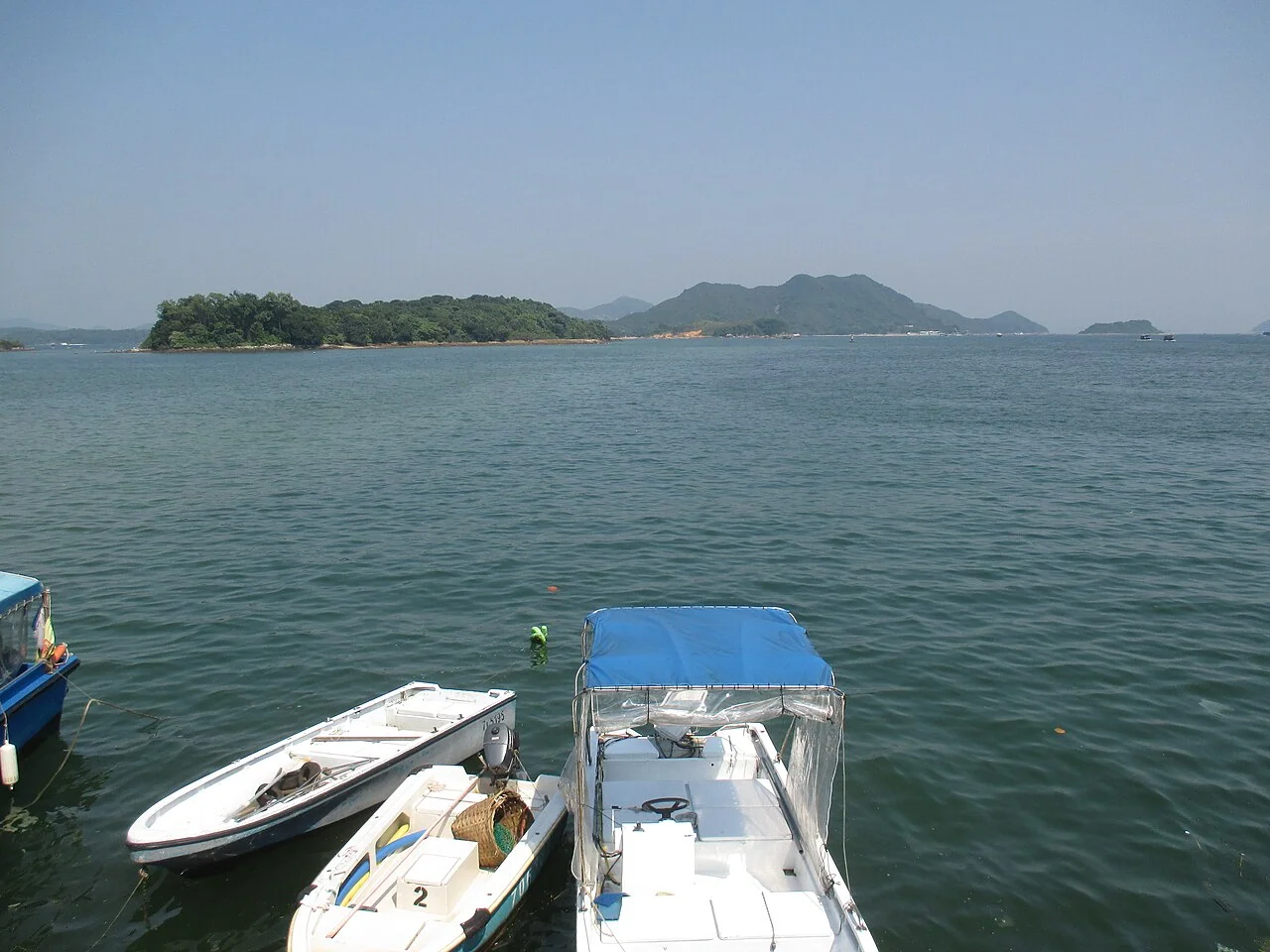
Sai Kung offers transport, rentals and varied coastline, but that does not make every bay an appropriate fishing spot. Check these three conditions:
| Condition | Reason | How to check |
|---|---|---|
| Outside restricted fishing waters | Protected-area rules apply regardless of craft size | Consult current official maps and track your position |
| Away from channels and piers | Small craft can be hard to see and vulnerable to wakes | Plan outside vessel approaches and active traffic routes |
| Shelter appropriate to the forecast | Fishing reduces your attention to boat handling | Assess wind direction, swell, tide and safe landing options |
Practical options around Sai Kung
- Coastal bays: Sha Ha and Tai Mong Tsai provide starting points for route research, not guaranteed sheltered fishing locations. Confirm access, conditions and local rules. See the Sha Ha kayaking routes guide.
- Recreational fishing rafts: use an authorised operator and follow its permitted fishing area and visitor rules. A raft booking does not authorise kayak fishing beside neighbouring cages.
- Areas to avoid: restricted waters, busy channels and working fish cages. Do not approach or land on another operator's raft without permission.
For getting there, see the Sai Kung transport guide and Sai Kung parking guide.
6. Seasons, daylight and target species
| Season | Conditions to consider | Planning advice |
|---|---|---|
| October–December | Often drier, but northeast monsoon winds can be strong | Choose a suitable forecast, not a calendar-based guarantee |
| March–May | Warming water; fog, changing winds and thunderstorms remain possible | Assess visibility and weather carefully, especially for beginners |
| June–September | Heat, tropical cyclones and thunderstorms | Do not launch with unsafe warnings or approaching storms; get ashore before lightning reaches the area |
| January–February | Cold water and potentially strong monsoon winds | Use appropriate protection and cancel if conditions exceed your ability |
Time of day
Fish activity depends on species, tide and local conditions. For paddlers, a crucial additional limit is having enough daylight for the return.Set a turn-back time with a margin for slower paddling or equipment problems. A headlamp alone does not make finding a landing safe after dark. For shore-based sunset planning, see the Sai Kung sunset and transport guide.
Cuttlefish and squid
These are popular targets on organised evening fishing trips. For species identification, equipment and trip arrangements, see the Sai Kung squid-fishing guide. Night kayak fishing introduces additional navigation and visibility hazards; daytime experience alone is not sufficient preparation.
7. Looking after the marine environment
Hong Kong's marine environment faces pressures including overfishing, habitat damage and pollution. Conservation measures such as the trawl ban and habitat protection do not remove the need for individual anglers to minimise their impact.
Responsible habits include:
- Respect restricted fishing areas: protected waters support conservation; check the actual rules instead of following other anglers.
- Release undersized fish carefully: learn species-specific handling and conservation guidance; avoid unnecessary handling and prolonged exposure.
- Take away line and hooks: discarded tackle can injure wildlife. Collect waste line securely and dispose of it on land.
- Keep only an appropriate catch: follow applicable restrictions and avoid taking more than you can responsibly use.
- Respect working fish farms: keep clear of cages, moorings and operators' activity areas.
8. Build paddling skills before adding fishing gear
The key foundation is boat control: steering, maintaining a safe position, responding to wind and recovering from a capsize. Fishing adds divided attention and equipment hazards even when these skills are established.
Sha Ha and waters near Pak Sha Chau can offer practice options when conditions are suitable. Sharp Island also offers paddling and snorkelling opportunities, subject to the day's conditions and activity arrangements.
👉 Book a Sharp Island kayaking and snorkelling experience to develop familiarity with paddling. This is not a dedicated fishing course or fishing tour. Experienced paddlers can explore kayak and SUP rentals or browse all water activities.
9. Frequently asked questions
Do I need a licence for kayak fishing in Hong Kong?
Check the rules for your chosen site and method rather than assuming all rod fishing is unrestricted. Protected waters have specific controls, and commercial fishing or other gear may have additional requirements. An authorised raft also has its own permitted operating area.
Can I fish in a marine park?
Marine-park fishing requires a valid permit; marine-reserve fishing is prohibited. For an ordinary recreational outing, plan outside restricted waters and verify current boundaries with AFCD.
What type of kayak should I use for fishing?
A suitably designed sit-on-top often provides accessible deck space, but stability depends on the model and load. Remain seated, keep equipment low and practise recovery. A rigid hull does not automatically make standing safe.
Is kayak fishing safe, and what if I capsize?
It carries water, weather, hook and entanglement risks. Wear a fitted PFD, carry accessible communication and signalling equipment, paddle with a suitable companion and practise recovery. Secure gear without creating loose loops; after a capsize, prioritise people over tackle and seek help early.
What is the best season for kayak fishing in Hong Kong?
Some autumn and spring days are comfortable, but monsoon winds, poor visibility and storms can make any season unsuitable. Base the decision on the actual forecast and local conditions. Do not rely on a month or a sheltered-looking bay as a safety guarantee.
Where can I go kayak fishing around Sai Kung?
Research legal launch access, fishing restrictions, traffic and weather together. An authorised recreational fishing raft is a separate option for fishing without managing a kayak; its permission does not extend to surrounding waters or adjacent fish farms.