
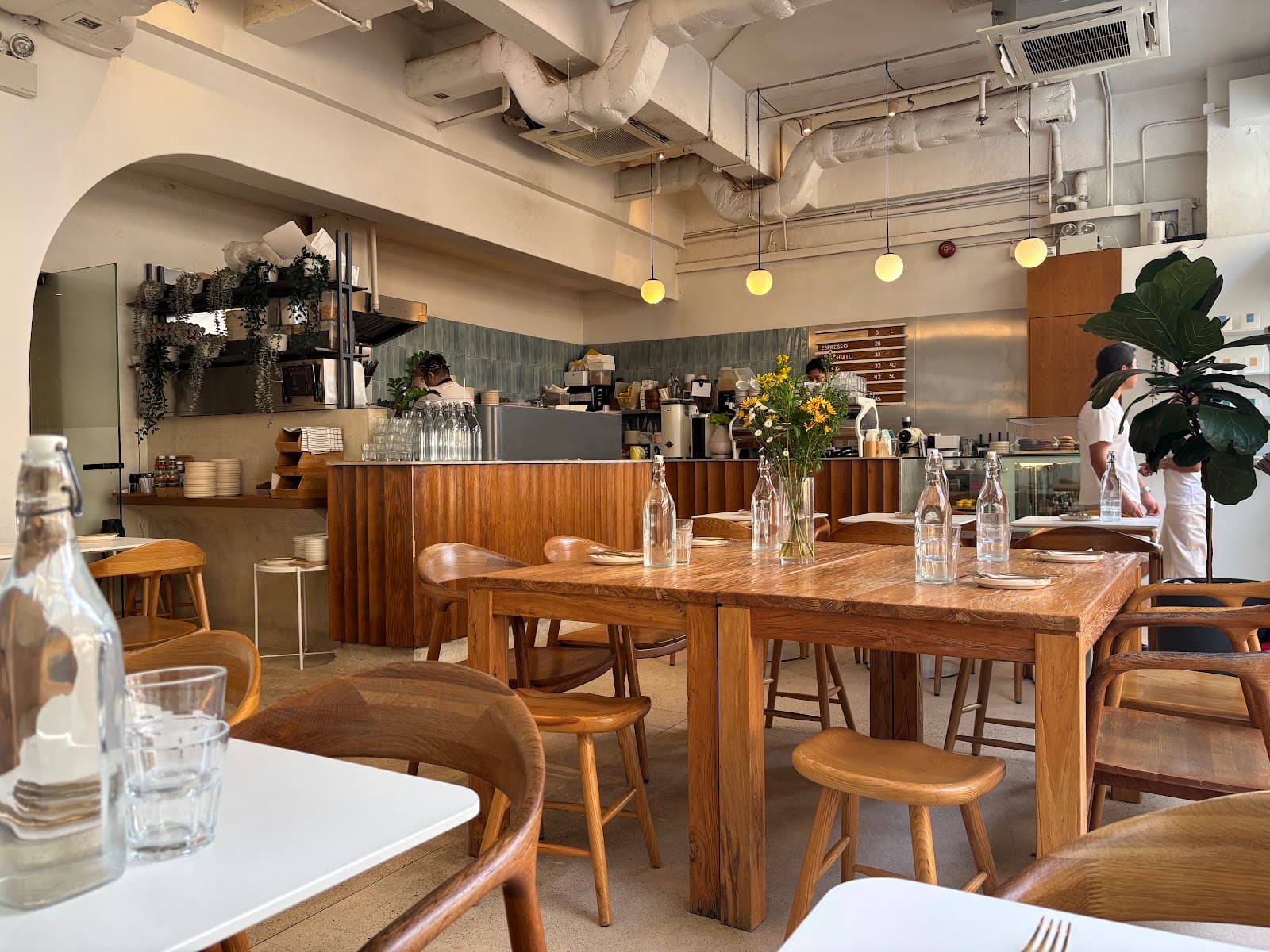
Food is a major part of a Sai Kung day out, whether or not you go kayaking or paddleboarding. Warm pineapple buns with butter, relaxed cafés, Thai dishes and seafood dinners offer very different ways to round off the trip.
Alongside restaurant ideas, this Kayarine guide covers two practical questions that matter after a day on the water: how to buy seafood and arrange cooking, and how to fit changing and meals around your activity. Menus, opening hours and prices change, so confirm details with the restaurant before travelling specifically for a dish.
1. Choose food to suit your day
Start with the kind of stop you need, then choose a convenient location. The dollar signs below indicate relative spending, not quoted prices.
| Situation | Type of stop | Ideas | Relative budget |
|---|---|---|---|
| Quick food before departure | Local snacks or takeaway | Sai Kung Cafe & Bakery: buns and egg tarts | $ |
| Lunch after a Sha Ha outing | Restaurant near the beach | Thai Dao, near Sha Ha | $$ |
| A warm meal after getting changed | Noodle shop | Ngau Ngau Cuisine or Bakso | $ |
| A leisurely brunch | Café | Little Cove Espresso | $$ |
| Group gathering or final meal | Seafood restaurant | Sing Kee or Loaf On | $$$ |
| Choose your own seafood | Seafood stall plus agreed restaurant cooking | Stalls near the waterfront | $$–$$$, depending on the catch |
2. Local snacks and casual meals
1. Sai Kung Cafe & Bakery: pineapple buns with butter and egg tarts
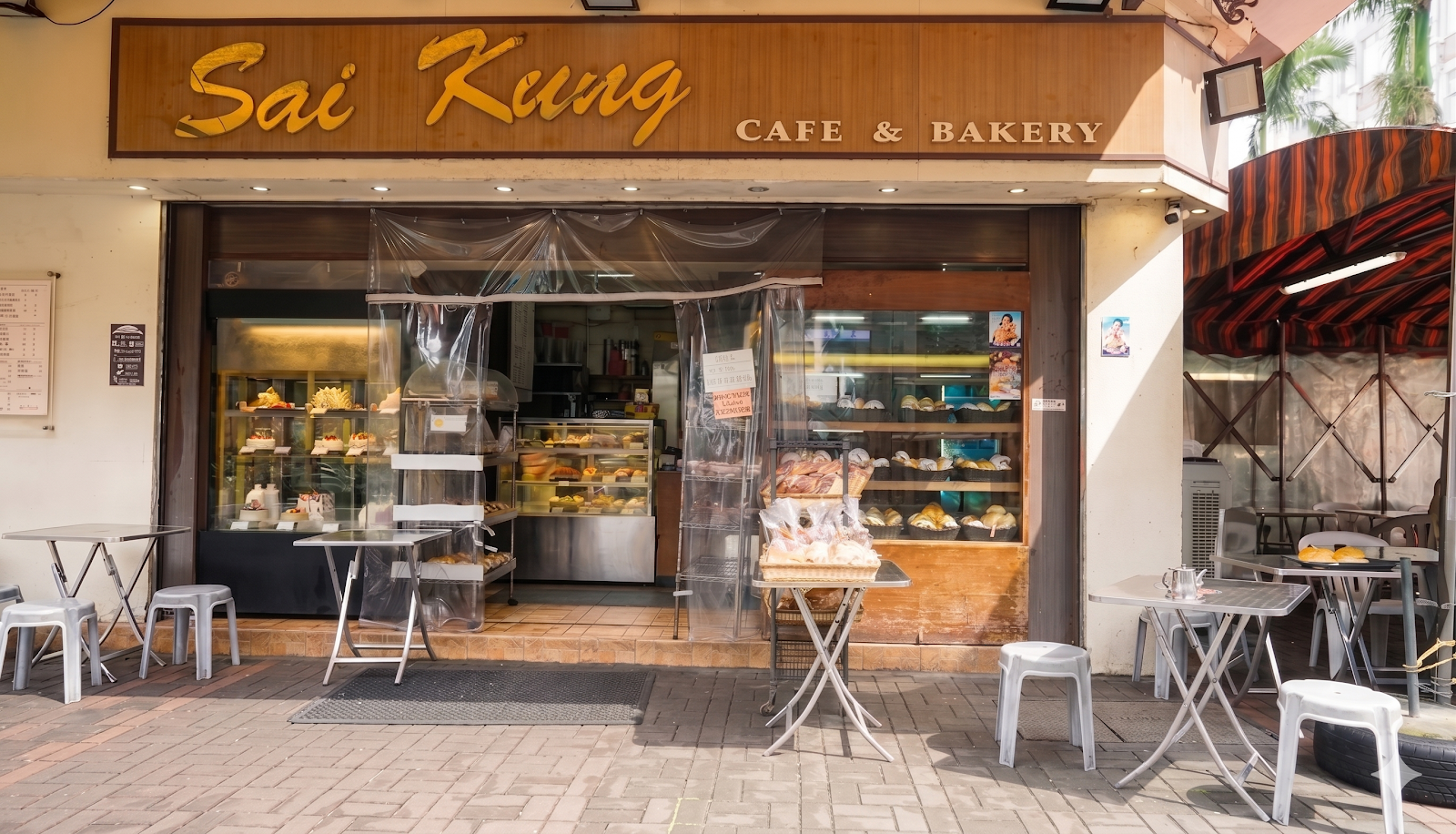
This long-established bakery is a familiar stop for Hong Kong-style pastries near the waterfront. Allow time for queues on busy days.
- What to try: a warm pineapple bun with a slice of butter, or a Portuguese-style egg tart. Check what is fresh and available that day.
- When it fits: breakfast before a booked activity, or a snack after returning to town.
- Address: Shops 6–7, G/F, Kam Po Court, 2 Sai Kung Hoi Pong Square.
- Practical tip: leave enough time before your activity meeting. Takeaway can be useful, but a freshly served bun is best enjoyed without rushing to the pier.
2. Ngau Ngau Cuisine: satay beef noodles
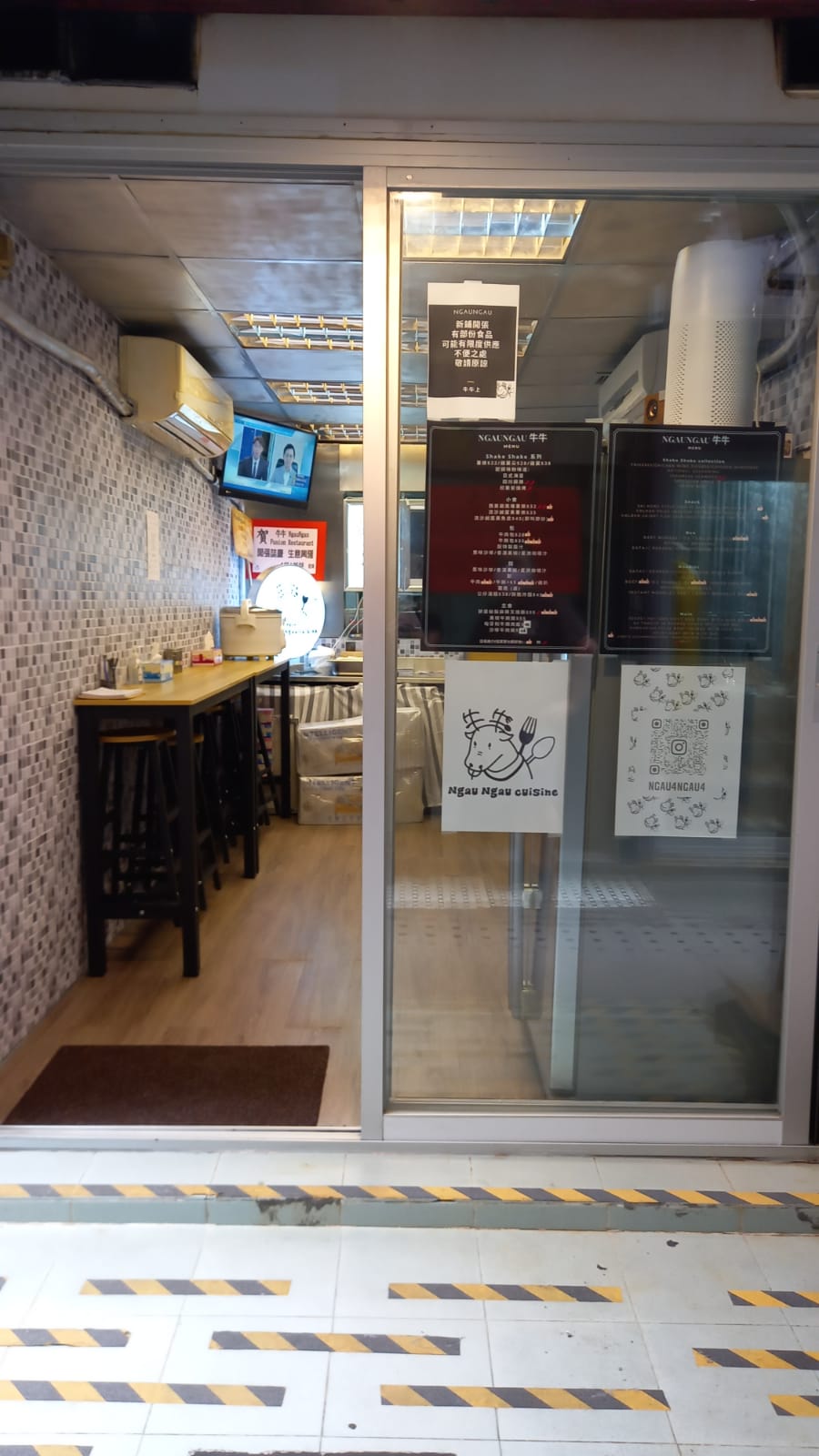
A candidate for visitors who enjoy rich satay flavours. Ask about ingredients and allergens rather than assuming a particular soup is additive-free.
- What to try: satay beef noodles and any crispy-noodle options on the current menu.
- Location check: older guides list Shop 32, Ko Fu Building, 58 Fuk Man Road; a 2026 licensing notice lists Shop 6, G/F, Block B, Sai Kung Building, 42–56 Fuk Man Road. Confirm the current shop directly before visiting.
- When it fits: a sit-down meal after drying off. Food is not a substitute for appropriate warming and help if someone remains cold or unwell after the sea.
3. Bakso: Indonesian beef-ball noodles and chicken soup
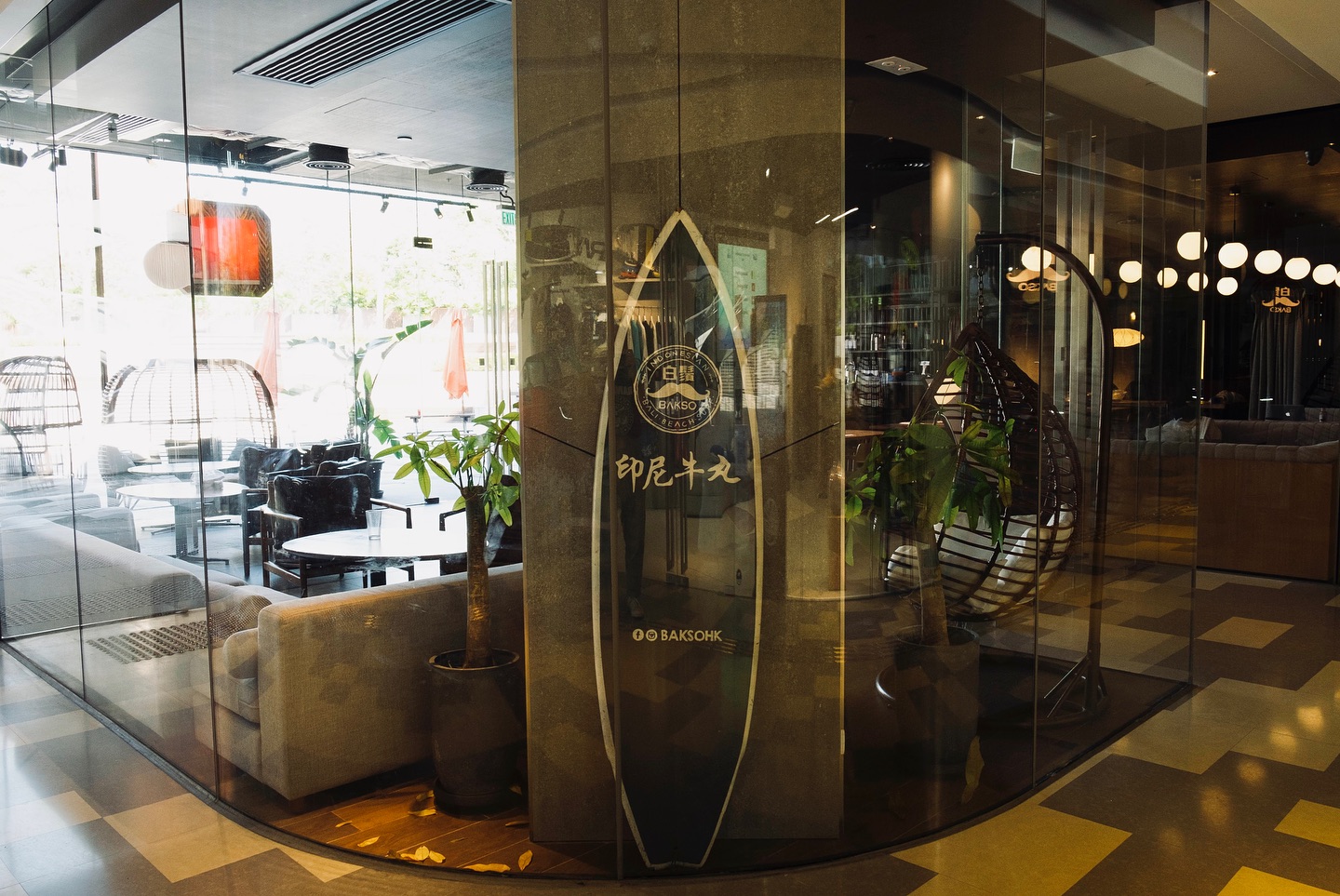
Bakso offers an Indonesian-style alternative to the town's seafood restaurants. Check its current menu and opening arrangements before making a special trip.
- What to try: beef-ball noodle soup, or the chicken dishes available on the day.
- Listed location: G/F, 9 Wan King Path, Sai Kung, near WM Hotel; confirm directly before visiting.
- When it fits: a relaxed meal when you prefer soup or Indonesian flavours rather than a large seafood banquet.
3. Thai food and leisurely cafés
4. Thai Dao: Thai food by Sha Ha
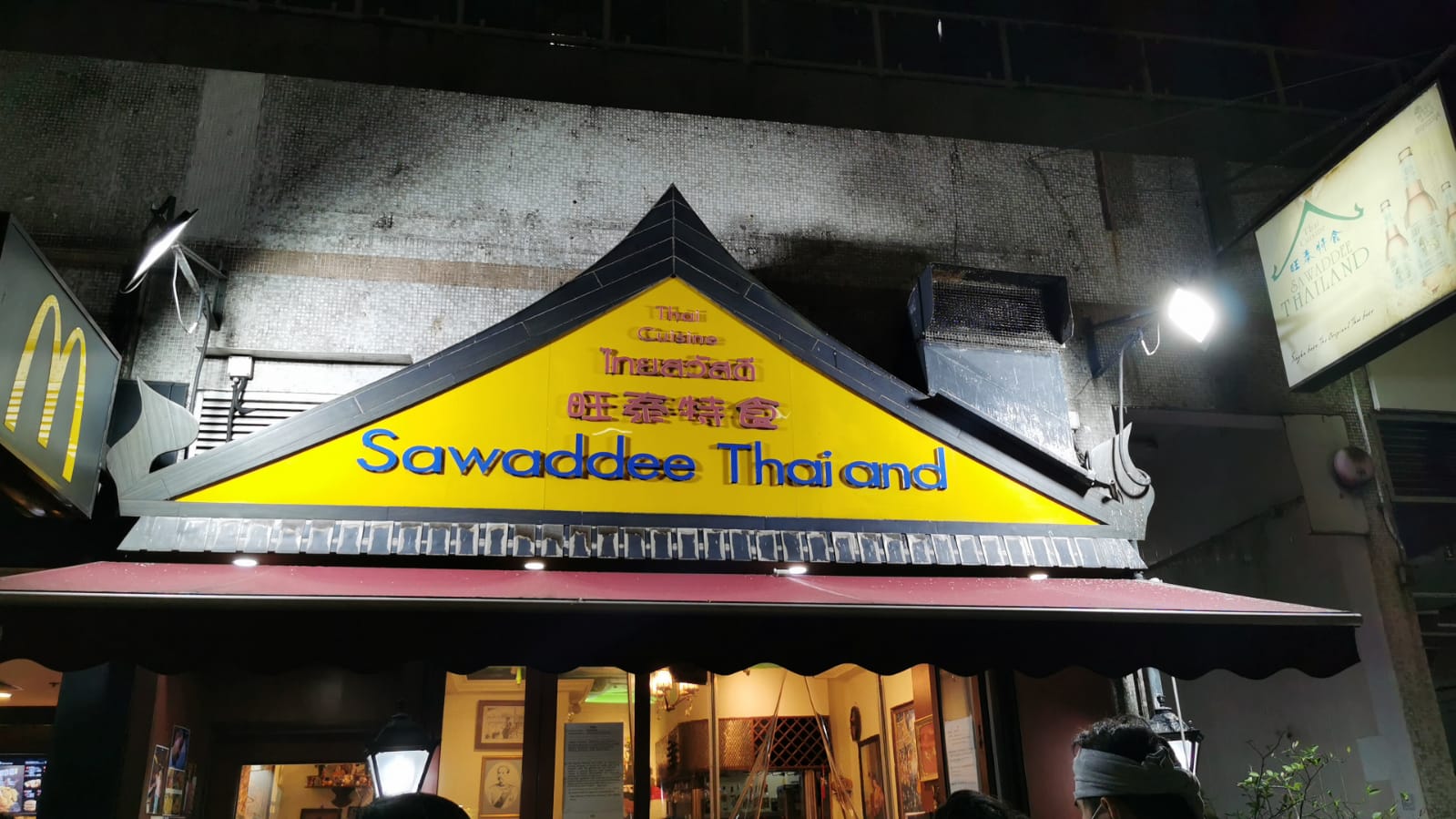
Thai Dao's Sha Ha setting makes it a possible choice for a meal near the beach. Outdoor seating and sea views depend on the table and weather, so ask when booking.
- What to try: Thai skewers, chicken rice or tom yum, subject to the current menu.
- Location: Sha Ha, Tai Mong Tsai Road, Sai Kung. Confirm the restaurant's map pin rather than relying on an old village street number.
- Tip: it can suit a meal after a Sha Ha outing, but get changed first and check the restaurant's seating policy.
- Why the location matters: Sha Ha is a commonly used launch area; see the Sha Ha kayaking guide. It is convenient only if your activity actually finishes there—Kayarine's collection point is elsewhere.
5. Little Cove Espresso: a slower café stop
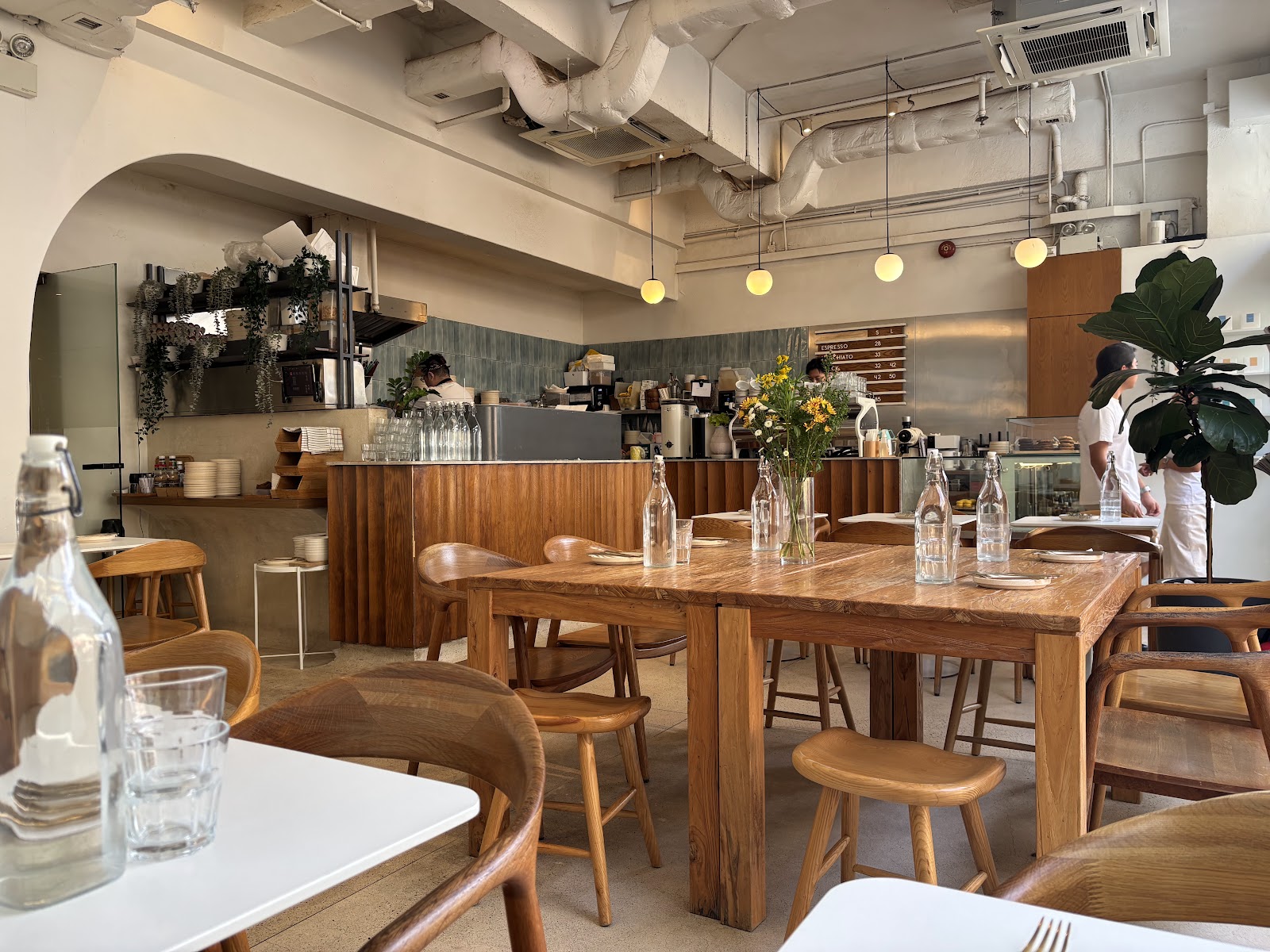
Little Cove is a café option for a slower morning in Sai Kung. Seating, menus and waiting times vary, particularly at weekends.
- What to look for: sourdough-based brunch, bowls and coffee on the current menu.
- Listed Sai Kung location: Shops 1–2, G/F, Siu Yat Building, Hoi Pong Square. Check the café's current location and hours before visiting.
- When it fits: a food-focused morning, or an alternative town plan when water activities are postponed.
4. Seafood meals for groups
Sai Kung's seafood restaurants range from casual shared dishes to larger banquets. Compare menus and prices; historical guide awards should not be treated as confirmation of a current star.
6. Sing Kee Seafood Restaurant
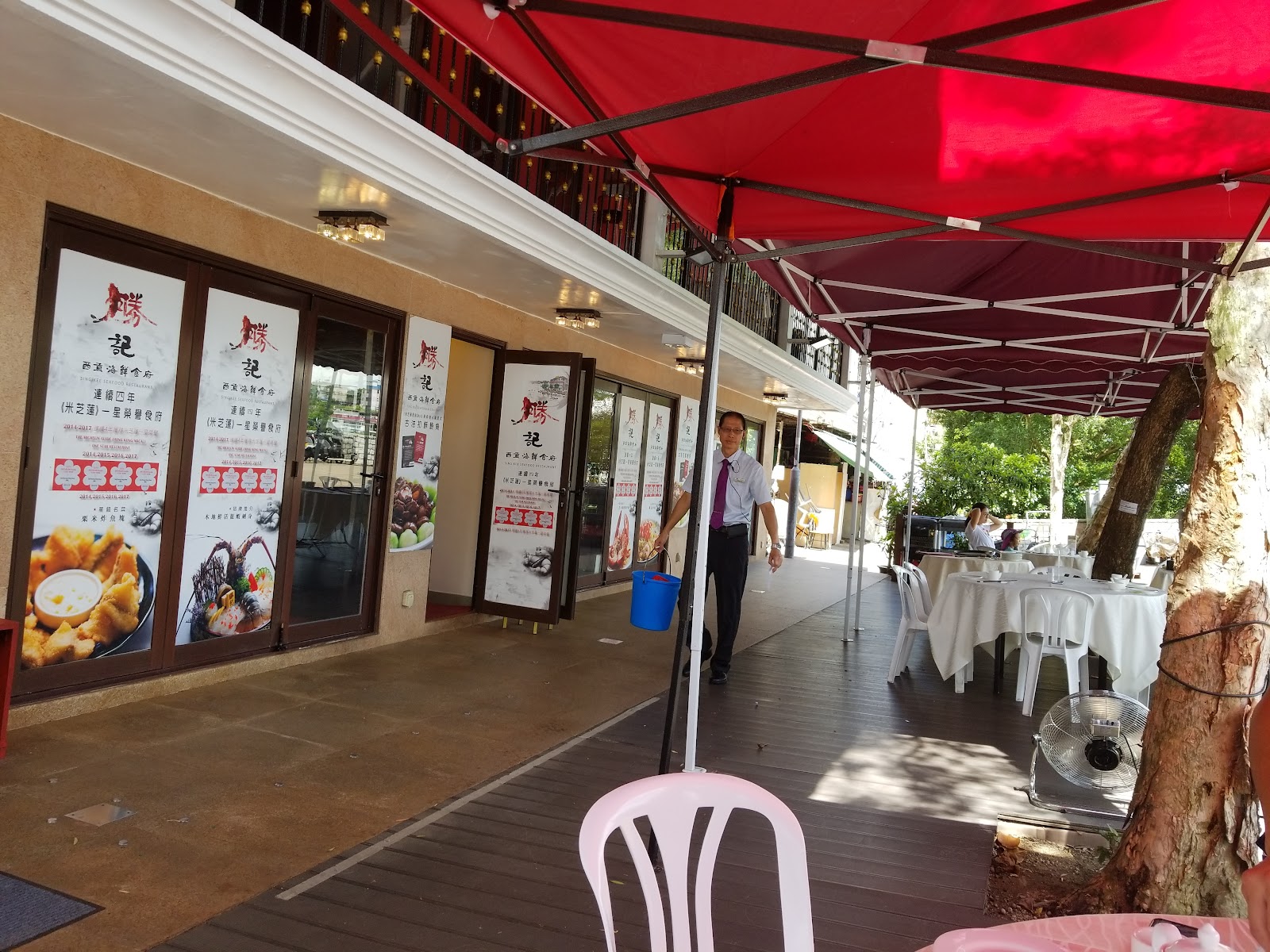
Sing Kee is a well-known seafood restaurant on Sai Kung Tai Street. Its own website describes its Michelin-star history; consult the current Michelin Guide separately if the present award status matters to you.
- Dishes to ask about: typhoon-shelter-style crab, squid and cooked mantis-shrimp preparations on the current menu.
- Address: G/F, 33–39 Sai Kung Tai Street.
- When it fits: a group dinner, birthday or company meal with a confirmed reservation and budget.
7. Loaf On
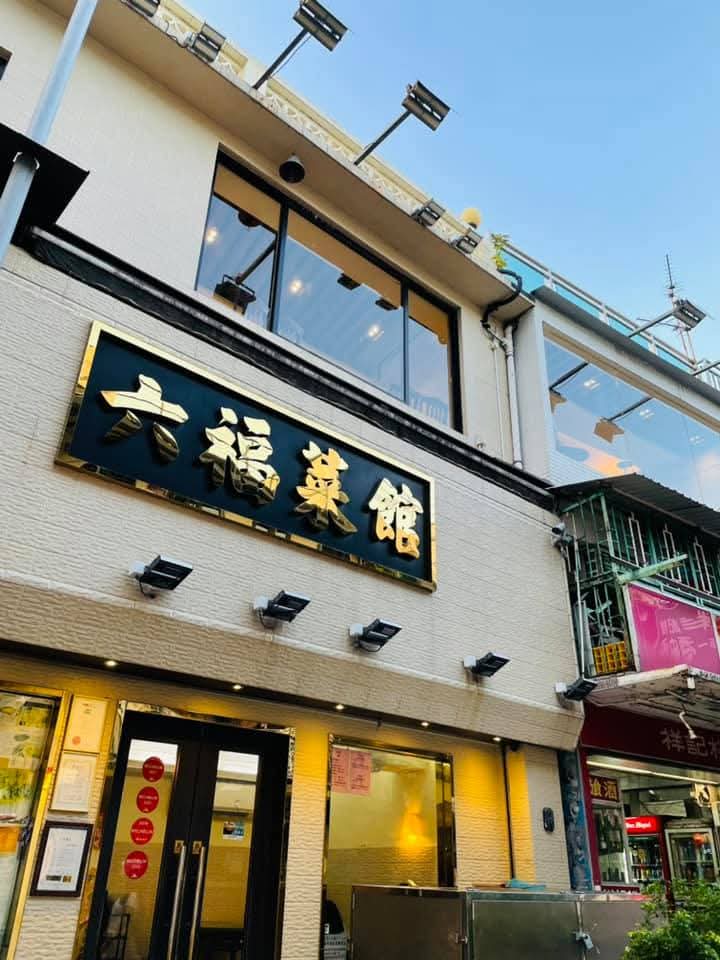
Loaf On is listed in the Michelin Guide and offers seafood alongside other Cantonese-style dishes. Ask about the day's ingredients and prices when reserving.
- Dishes to ask about: its chicken dishes, salt-and-pepper abalone and crisp tofu, subject to availability.
- Address: G/F, 49 See Cheung Street, Sai Kung.
- When it fits: a shared meal for a group wanting more than seafood alone. Discuss dietary restrictions before ordering.
5. Buying seafood and arranging restaurant cooking
Understand the supply, without assuming everything is local
Sai Kung's food culture has strong links to fishing communities and the waterfront. As the town developed, it became a destination for seafood dining. Today, stalls and restaurants form part of that visitor experience.
There are fish-culture areas around Sai Kung, including Ma Nam Wat, Kai Lung Wan, Kau Sai and other designated zones, but restaurant supply chains can include both local and imported seafood. Ask the seller about the origin of the actual item rather than assuming a dish is locally caught because it is served beside the sea.
The harbour also reflects the area's fishing and boat-dwelling heritage. A waterfront walk adds context, but not every vessel you see is an old working junk or evidence of a particular seafood source.
Five practical steps
- Compare before ordering: look at a few stalls and compare like-for-like species, size and condition rather than choosing solely by the first quoted number.
- Confirm the pricing unit: is the price per catty, per piece or another unit? Ask for the estimated weight and total before committing.
- Clarify live, chilled or frozen: ask how the seafood is stored and handled. Appearance or movement alone cannot guarantee food safety; use a reputable seller and have food properly cooked.
- Agree cooking charges first: confirm that a restaurant accepts outside seafood before buying it. Charges may depend on weight and preparation. Ask for the full expected bill, including cooking, tea, corkage and service charges.
- Match the cooking method to the ingredient: discuss steamed fish or crab, ginger-and-spring-onion dishes, or salt-and-pepper preparations. Choose thoroughly cooked seafood; an alcohol marinade is not a substitute for cooking.
Restaurant ordering versus buying ingredients separately
| Order directly at a seafood restaurant | Buy at a stall and arrange cooking | |
|---|---|---|
| Advantages | Simpler coordination and help choosing dishes | More direct control over the ingredients and quantities |
| Trade-offs | Compare the full menu price and any market-price items | Requires time to compare and agreement with a restaurant |
| Best suited to | Visitors wanting an easier meal or hosting a group | Those comfortable comparing ingredients and handling arrangements |
| Key reminder | Confirm the actual price of market-priced dishes | Confirm all cooking and additional charges before buying |
6. Three useful tips after water activities
A good meal plan should also account for wet clothing, equipment return and the route back into town.
1. Change before sitting down to eat
Arrange access to changing or shower facilities in advance. Check opening hours, admission conditions and fees in the Sai Kung changing and shower guide. Dry clothing makes the meal more comfortable; nearby facilities are not automatically part of an activity booking.
2. Choose restaurants around the actual finishing point
- Finishing near Sha Ha: Thai Dao may be convenient after you have changed, if it is open and has space.
- Finishing near the town or public pier: consider the waterfront seafood area or Sai Kung Tai Street.
- Returning from Sharp Island: once back at the public pier, the town's dining streets are within walking distance.
3. Leave a time buffer
Sea conditions, equipment return and changing can delay a meal, so avoid a reservation immediately after the scheduled landing. Book ahead for busy restaurants and tell them if your arrival changes.
7. Transport and parking
Sai Kung town acts as a gateway to the peninsula and nearby islands, with restaurants and shops concentrated around the centre. On holidays, that means queues, road congestion and pressure on parking.
- Public transport: buses and minibuses connect with places including Diamond Hill and Choi Hung. See the Sai Kung transport guide.
- Driving: town-centre car parks can fill on weekends. Check locations and current charges in the Sai Kung parking guide, and consider public transport if your schedule allows.
- Walking around town: many restaurants cluster around Hoi Pong Street, Sai Kung Tai Street and See Cheung Street. The centre is compact, but allow extra time for the walk to Sha Ha or a different activity meeting point.
8. Timing and seasonal considerations
| Time or season | What to expect | Planning tip |
|---|---|---|
| Weekdays | Often less busy, but queues and parking demand still vary | Check closing days rather than assuming every café is open |
| Weekends and holidays | More visitors and potentially long waits | Reserve where possible, arrive with time to spare and consider public transport |
| Cooler months, October–February | Some comfortable outdoor-dining days, but wind and cold spells occur | Choose seating for the actual weather |
| Spring, March–April | Humidity and fog are possible | Keep an indoor alternative |
| Warmer months, May–September | Heat, thunderstorms and tropical-cyclone risk | Choose shade and follow weather warnings; outdoor plans may need changing |
9. Three food-and-activity day plans
Plan A: A full day with one water activity
- 8:30 am Breakfast in town, such as a bun at Sai Kung Cafe & Bakery.
- 9:30 am–1 pm A booked Kayarine SUP or kayak session; use the actual confirmation time and meeting point.
- 1:30 pm Return equipment and change, then choose lunch near your actual finish. Thai Dao is a separate Sha Ha option, not an assumed Kayarine landing point.
- 3:30 pm Explore the old streets and choose an optional café or snack stop, such as Little Cove or Bakso if open.
- 6 pm A reserved seafood dinner at Sing Kee or another restaurant that suits your group.
Plan B: A relaxed food-focused half day
- 10:30 am Brunch at Little Cove Espresso, subject to opening hours and seating.
- Noon A waterfront walk to see the harbour and boats.
- 1:30 pm If you still want lunch, compare seafood and agree restaurant cooking before purchasing.
- 3:30 pm Pick up egg tarts at Sai Kung Cafe & Bakery if available.
Plan C: Finish with sunset and dinner
- 2 pm A town lunch, perhaps noodles at Ngau Ngau or Bakso after confirming the current location.
- 4 pm A waterfront walk, or a specifically booked guided activity with suitable return arrangements.
- Before sunset For independent paddlers, return in daylight and watch from shore. For viewing locations and transport, see the Sai Kung sunset guide
- 7 pm Dinner at Loaf On or another town restaurant, leaving a buffer after any activity.
10. Combine the coast with a good meal
Sai Kung's appeal comes from the relationship between the town, harbour and surrounding coast—not just a list of dishes.A manageable outing followed by an unhurried meal is often more enjoyable than trying to fit in every stop.
A Sharp Island kayaking and snorkelling experience can combine activities when conditions allow. Beginners should choose suitable instruction and routes; neither Sha Ha nor an island bay is guaranteed calm. Plan the meal around the confirmed meeting and return point.
👉 Book a Sharp Island kayaking and snorkelling experience; for a guided sunset option, explore the Pak Sha Chau sunset SUP tour. Experienced paddlers can consider kayak and SUP rentals or browse all water activities.
11. Frequently asked questions
What should I eat in Sai Kung?
Consider local pastries, a café or Thai meal, and seafood depending on your schedule. Sai Kung Cafe & Bakery, Thai Dao, Little Cove, Sing Kee and Loaf On offer different styles; confirm current menus, hours and prices before a special trip.
How can I avoid surprises when buying seafood?
Compare like-for-like items, confirm the price unit and weight, and clarify whether the seafood is live, chilled or frozen. Agree acceptance and the full cooking bill with the restaurant before buying ingredients; include tea, service and other charges.
Where does Sai Kung's seafood come from?
The area has a fishing and aquaculture heritage, but individual restaurants may use local and imported products. Ask about the specific ingredient rather than assuming that all waterfront seafood, including sea urchin, comes from nearby waters.
Can I go straight to a restaurant in wet water-sports clothing?
Change first where practical and ask about the restaurant's policy. Confirm access to showers and changing facilities before the activity. Choose food near your actual return point rather than assuming every provider finishes at Sha Ha.
Is parking easy when visiting Sai Kung for food?
Weekend and holiday parking can be difficult. Check current car-park locations and charges, allow extra time, or use public transport. Many central restaurants are walkable once you arrive.