
Western Hong Kong Dolphins and Sunsets 2026: Lung Kwu Tan and Ha Pak Nai
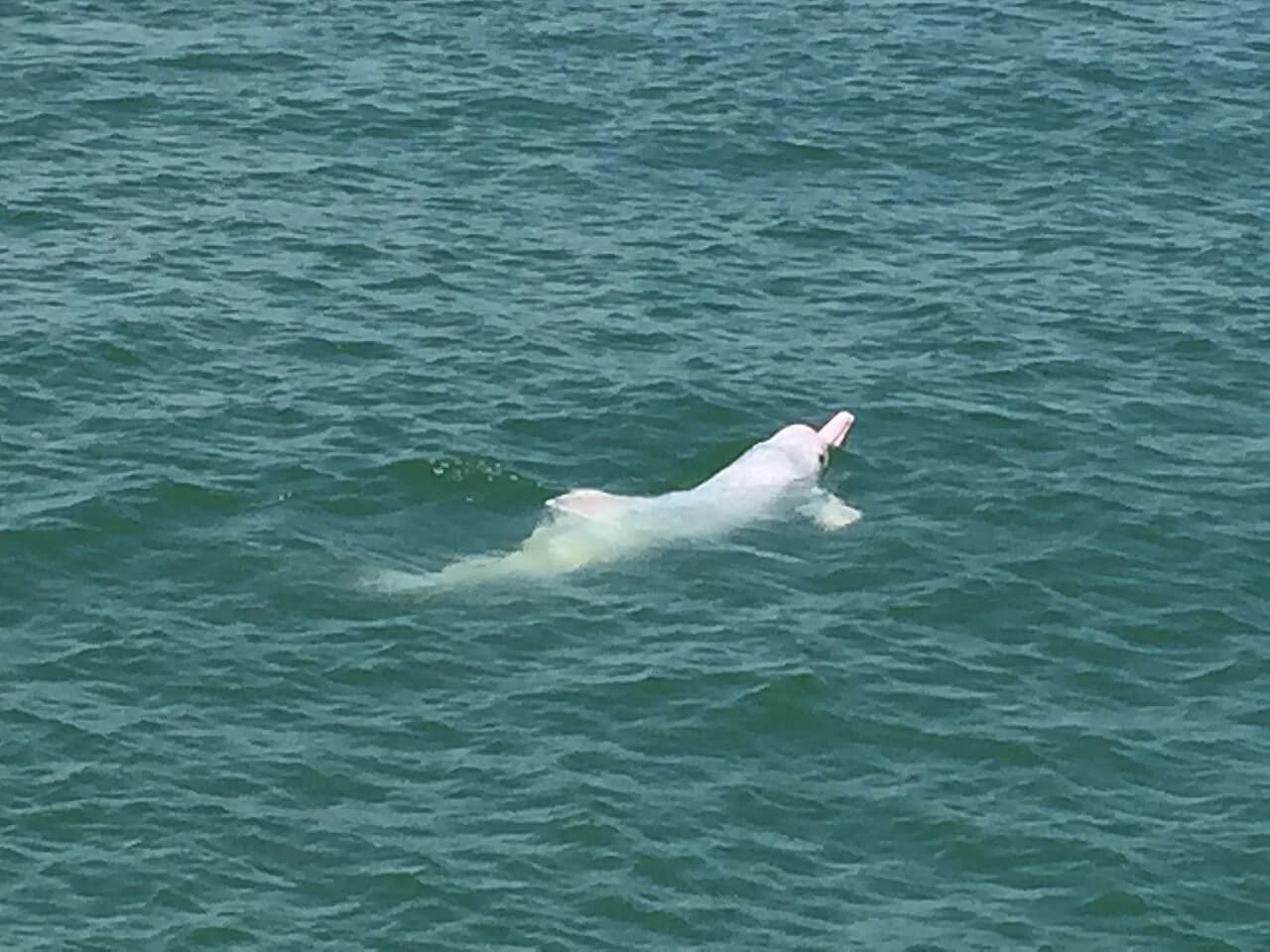
Western Hong Kong is associated with two memorable sights: Chinese white dolphins and sunsets across the Pearl River estuary. The estuarine environment supports marine food resources and dolphin habitat, while west-facing shorelines provide expansive evening views.
Kayarine has run water activities in Sai Kung for over five years, introducing thousands of visitors to its coastline. This guide is about observation from shore, not entering the water: where to look, how to plan your visit, and how to avoid disturbing wildlife.
1. Viewpoints compared
| Viewpoint | What to see | When to visit | Difficulty | Notes |
|---|---|---|---|---|
| Chinese White Dolphin Lookout | Sea views, sunsets and possible dolphin sightings | Good visibility in daylight; sightings are unpredictable | ⭐ Walking, with an uphill section | On a small hill north of Lung Kwu Tan |
| Lung Kwu Tan beach | Sunsets, dark sand and distant coastal views | Arrive before sunset | ⭐ Walking | Not recommended for swimming: no supervised bathing service |
| Ha Pak Nai | Mudflat sunsets and mangrove habitats | Check sunset, tide and a safe return time | ⭐ Stay on established access routes | Sensitive habitats: avoid trampling the flats |
| Marine-park waters | Dolphin habitat | Conditions and a responsible operator's schedule | ⭐⭐ Boat-based visits require separate planning | Marine-park rules apply; not an invitation to paddle after dolphins |
2. Getting to know the Chinese white dolphin
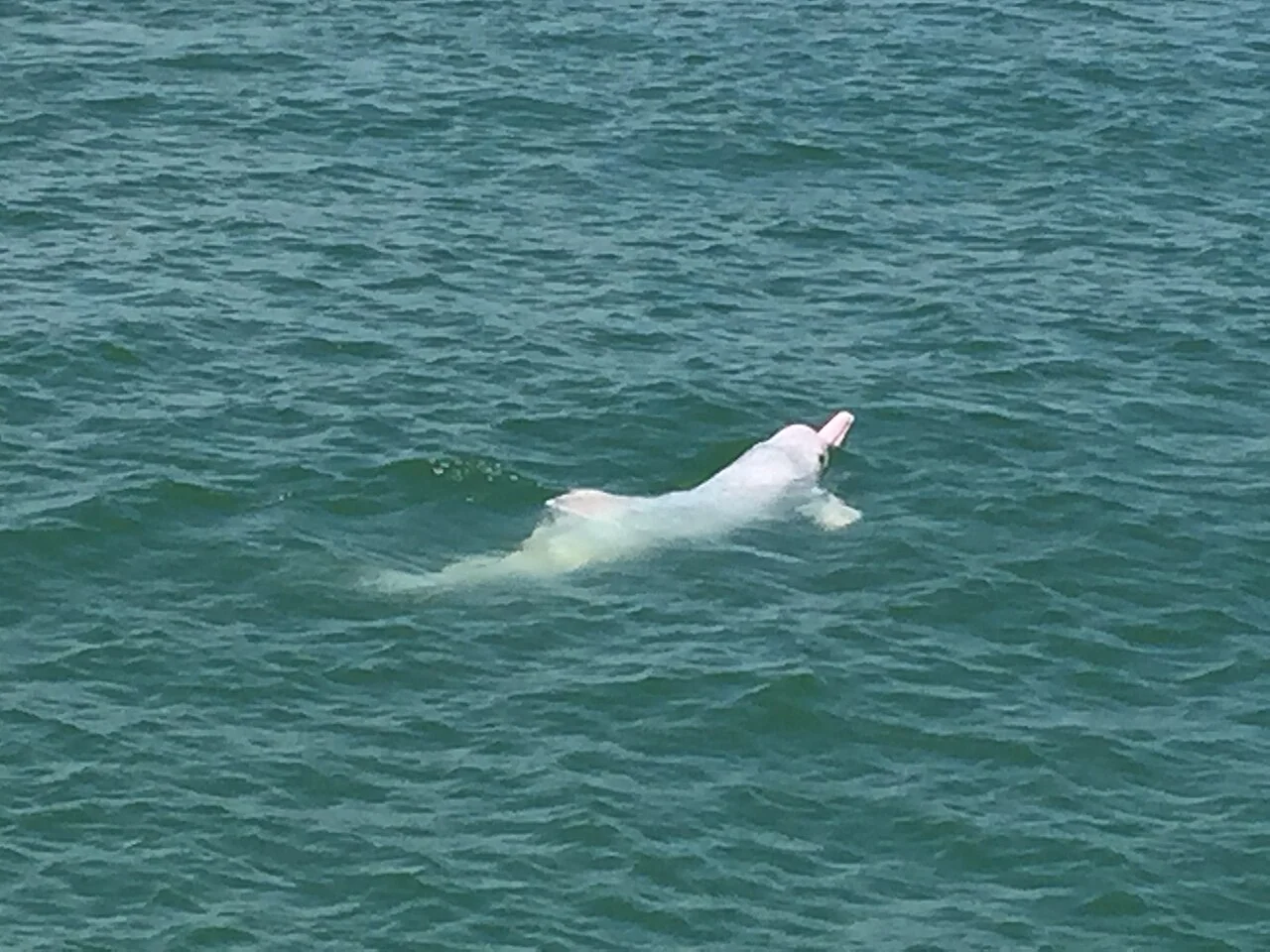
The Chinese white dolphin, Sousa chinensis, is also known as the Indo-Pacific humpback dolphin. It is a coastal marine mammal associated with shallow and estuarine waters. Hong Kong's animals form part of the Pearl River estuary population. Despite the common name, not every animal is white or pink.
Why do they look pink?
Color varies with age and population. In the Hong Kong region, calves are dark gray and gradually become paler, with adults often pinkish-white. Blood flow near the skin helps regulate body temperature and contributes to the pink appearance, rather than the color coming simply from pink pigment.
When should you watch?
Dolphins use shallow coastal and estuarine habitats, but their movement depends on many factors. There is no reliable tide-and-time formula that guarantees a sighting. Feeding, travel and social behavior can occur at different times, and visibility from a fixed shore point is limited.
For a practical visit, check the weather, sunset time and tide, and choose safe daylight access with good visibility. Treat any sighting as a bonus, rather than assuming dawn or a rising tide will produce dolphins.
Historical and scientific records
Chinese historical accounts contain references to unusual pale marine animals, although old names do not always map neatly onto modern species. Swedish naturalist Pehr Osbeck documented dolphins in the Pearl River estuary in the eighteenth century. Modern research examines population differences, including the distinct Taiwanese population; these scientific questions are more complex than a simple color comparison.
3. Lung Kwu Tan and its lookout
Lung Kwu Tan lies on Tuen Mun's western coast. Its long, curved beach includes dark sand, and the westward view makes it a well-known sunset destination. Distant city views depend on clear weather and haze conditions.
The waters beyond Lung Kwu Tan form part of the wider western habitat used by Chinese white dolphins, but their presence near the shore is unpredictable.The Chinese White Dolphin Lookout stands on a small hill north of the beach. Visit for the sea view and the possibility of wildlife observation. A former village dolphin resource center is mentioned in older guides; do not plan your outing around it without checking whether any visitor service operates.
⚠️ Stay on shore: Lung Kwu Tan is not a supervised bathing beach. Water conditions and debris can vary, and there is no managed swimming service. Enjoy this itinerary from the beach and established viewpoint rather than entering the sea.
Other nature and heritage interests
Village woodland and nearby scrub support butterflies and other wildlife. The area has been noted for the Red Lacewing butterfly and a variety of other species in historical surveys. Observe quietly from existing paths; a conservation proposal mentioned in an old account should not be confused with a confirmed current designation.
Archaeological evidence points to a long history of settlement in the area. The village contains ancestral halls and temples, including sites associated with Tin Hau and Kwun Yum. Respect worshippers, private property and any access restrictions.
4. Marine parks and protected habitat
Responsible observation starts with understanding the protected areas. Two established examples in western waters are:
- Sha Chau and Lung Kwu Chau Marine Park: Designated in 1996, this roughly 1,200-hectare park includes waters around Lung Kwu Chau, Sha Chau and Pak Chau. Its estuarine environment supports marine food resources and habitat used by dolphins.
- The Brothers Marine Park: Designated in 2016, it covers around 970 hectares and was established to protect Chinese white dolphins and their habitat. It includes a core area supporting conservation of fisheries resources. Use current AFCD boundary information rather than navigating from an article or an old park-size ranking.
⚠️ Key rules: Hong Kong's marine-park framework regulates activities such as fishing and disturbance of wildlife. Check the current rules, permits, designated areas and visitor code before any boat-based visit. These two parks are not the region's only protected waters; use the latest official map.
Responsible dolphin watching
- Do not chase: Changing course to pursue a dolphin is disturbance, not responsible observation. Keep an appropriate distance and allow the animals to move freely.
- Do not surround: Several boats approaching from different directions can block the animals' route. Leave an open path and follow the official viewing code.
- Keep noise and vessel movements controlled: Dolphins depend on sound. Sudden engine changes and intrusive noise can disturb them; choose an operator that follows responsible viewing practices.
- Do not feed: Feeding can alter wild animals' behavior and create lasting problems.
- Give calves extra space: Mothers and calves are especially vulnerable to disturbance. Dolphins mature slowly and have lengthy pregnancies, so protecting young animals and their caregivers matters. Do not separate a group or attempt to attract calves.
5. Ha Pak Nai: sunset over the mudflats
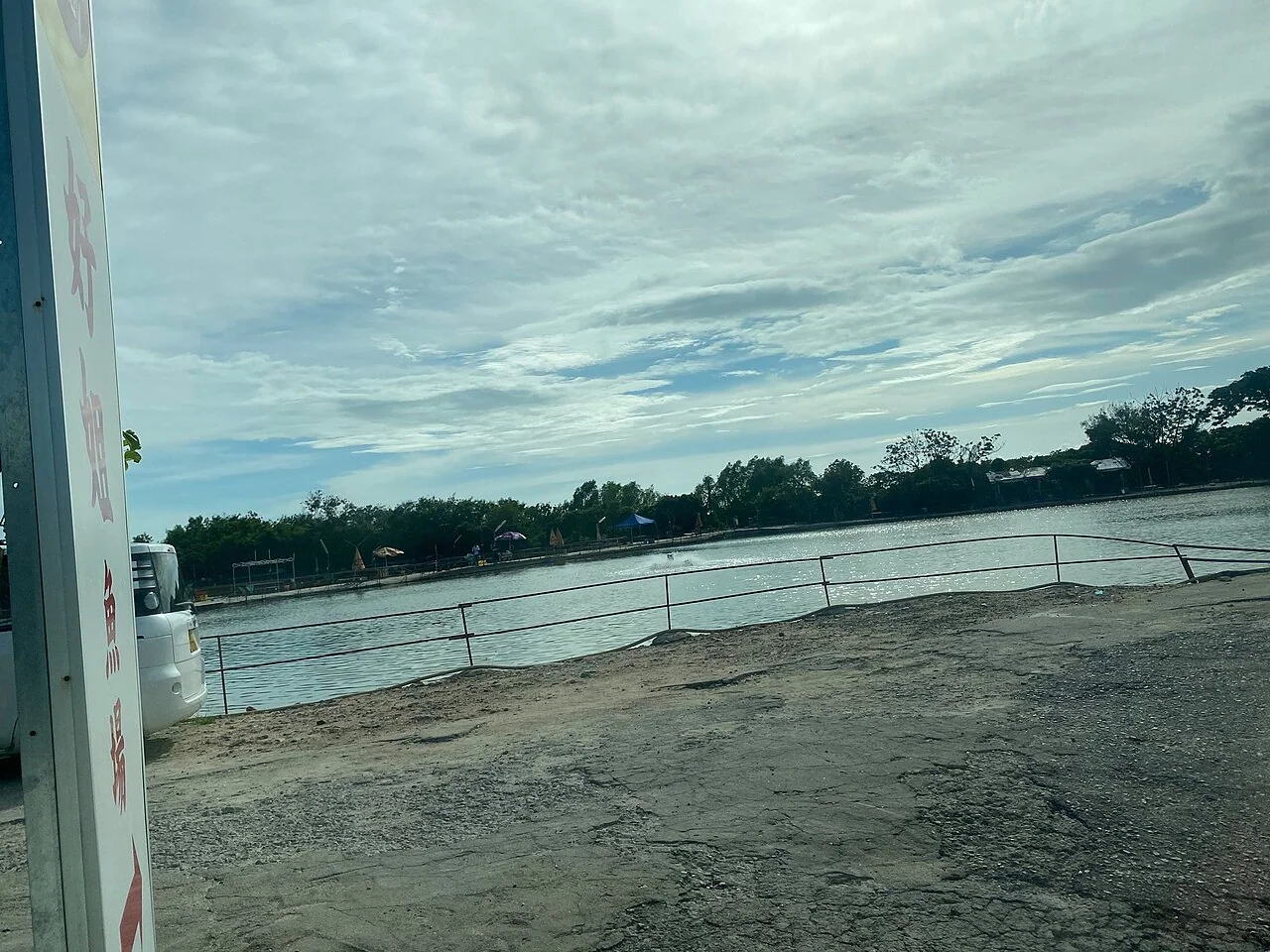
Pak Nai lies in western Yuen Long, facing Deep Bay and Shekou. Its shoreline includes mudflats and oyster-growing areas. The wider coast is commonly divided into Sheung Pak Nai, Chung Pak Nai and Ha Pak Nai, with villages belonging to the Ha Tsuen area.
- Ecological importance: Mangroves, wetlands and mudflats support varied wildlife. The wider landscape includes habitats recognized as Sites of Special Scientific Interest, but boundaries are specific and should be checked rather than assuming the entire coast has one designation. Oyster shells remain across parts of the flats.
- How to visit responsibly: Stay on established paths and viewing areas. Do not trample mangrove seedlings or bottom-dwelling animals, and avoid shell-covered mud where you could be injured or become stuck.
- Heritage: Archaeological work at Pak Nai has revealed prehistoric occupation. The area also contains the Pak Nai fortified structure associated with revolutionary history. Check official visitor information and respect any private land or restricted access when planning a heritage stop.
- Transport: Green minibus 33 is a commonly cited connection from Yuen Long. Confirm its current stops, last return service and any alternative service before travelling; do not rely on older references to resident-bus routes or identical fares.
6. Planning your day
- Morning or evening?: Choose daylight and good visibility for shore observation, or an evening visit for sunset. A sunset visit with a checked tide and return plan can combine coastal scenery and a chance of wildlife, but does not improve the odds in any guaranteed way.
- Half-day evening example: Leave Tuen Mun town center and arrive at the Lung Kwu Tan lookout well before sunset. Spend time scanning the sea, enjoy the changing light, then return by your planned safe route.
- Full-day example: Start with a suitable guided paddling session at a permitted launch, or a land-based Tuen Mun outing. After lunch, travel to either Lung Kwu Tan or Ha Pak Nai for sunset. Do not assume a lifeguarded swimming enclosure is an authorized SUP area.
- What to bring: Binoculars help scan the water without approaching wildlife. Bring drinking water, suitable insect repellent and a torch for the return route. Plan to leave difficult paths before darkness rather than relying on a light to make them safe.
7. For a guided sunset on the water, consider Sai Kung
This guide focuses on shore-based observation. Lung Kwu Tan lacks a supervised bathing service, and Ha Pak Nai is a sensitive mudflat landscape. For a more detailed distinction between swimming beaches and permitted paddling arrangements, see our western New Territories water activities guide.
If you would like a sunset experience on the water, a guided SUP outing around Pak Sha Chau in Sai Kung is another option. Participation, route and meeting time depend on the operator's requirements, sea conditions and sunset time. Calm water and a visible sunset cannot be guaranteed.
👉 View the Pak Sha Chau sunset SUP tour. To compare shore-based viewpoints, see our Hong Kong sunset guide, or find regional access information in western New Territories sunset spots and transport.
8. Frequently asked questions
When are Chinese white dolphins most active?
Their behavior varies with feeding opportunities, location and environmental conditions. There is no reliable rule that dawn, dusk or a rising tide will guarantee a sighting from shore. Choose a safe daylight visit with good visibility, and treat wildlife as an unpredictable part of the outing.
Why are Chinese white dolphins pink?
Young animals in the Hong Kong population are dark gray and become paler with age, often passing through a spotted stage. Adults can appear pinkish-white. Blood flow near the skin for heat regulation contributes to the pink appearance; they are not simply covered in pink pigment.
Where might I see Chinese white dolphins?
They use parts of western Hong Kong and the Pearl River estuary, including protected marine habitats. Lung Kwu Tan's lookout offers a shore-based view of the wider area, but sightings there are not guaranteed. Never enter a shipping channel or chase animals in an attempt to see them.
What activities are restricted in marine parks?
Rules cover activities including fishing and disturbance of wildlife, with permits and designated areas relevant to some uses. Consult the AFCD's current visitor code, maps and rules before visiting. Marine reserves can have different and stricter access requirements than marine parks.
Can I swim or walk out across the mud at Ha Pak Nai?
Do not use it as a casual swimming or paddling launch. Its sensitive mudflat habitats, shells and soft ground create ecological and personal-safety concerns. Stay on established paths and viewing areas, and check local boundaries and notices rather than assuming all land has the same designation.