
Western New Territories Sunset Guide 2026: Lung Kwu Tan, Ha Pak Nai and Ting Kau
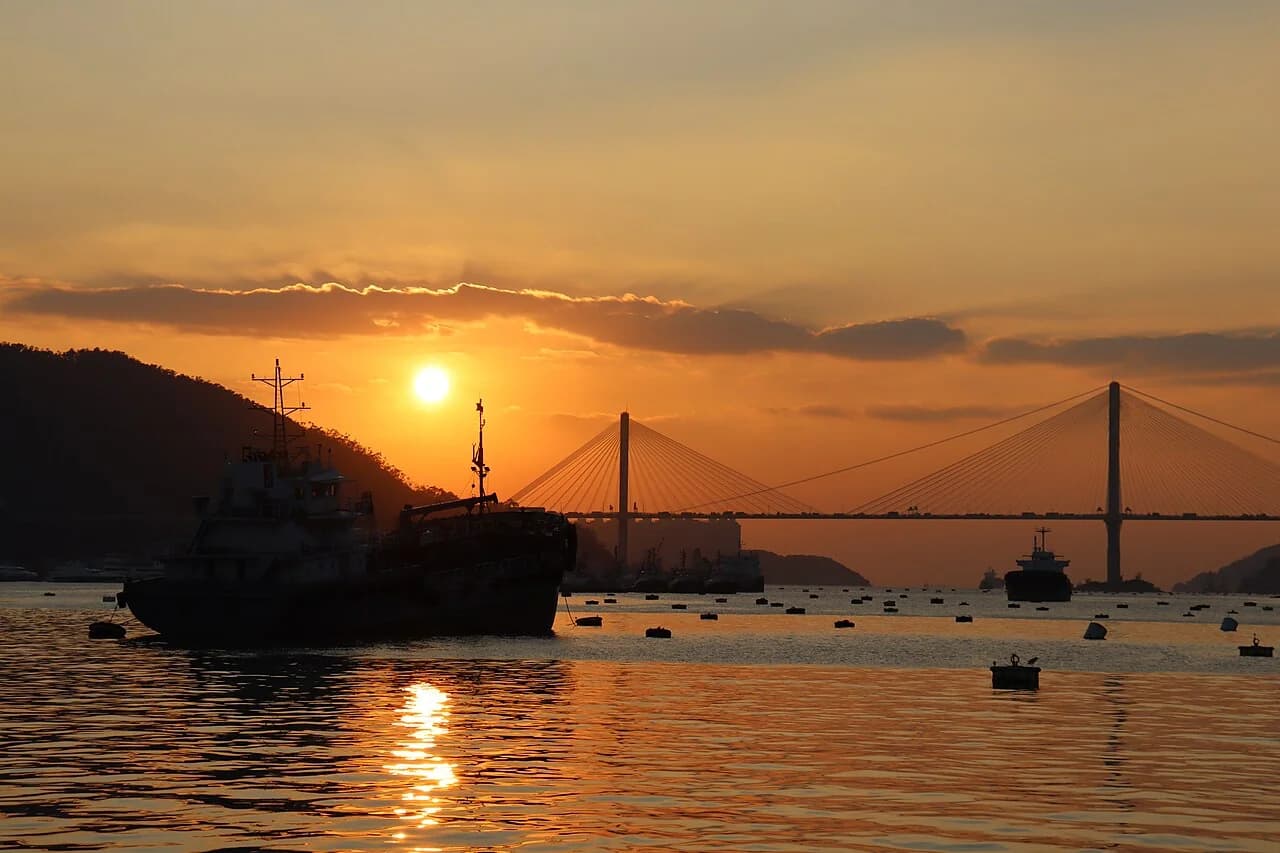
For broad evening views, the western New Territories offer plenty of choice. West-facing coastlines look toward the Pearl River estuary, with distant land sometimes visible in clear weather. The actual sunset line still depends on season, viewpoint, haze and nearby terrain.
Kayarine has run water activities in Sai Kung for over five years, introducing thousands of visitors to its coastline. This guide covers viewpoints and transport, with one important distinction: a beautiful sunset spot is not automatically a suitable place to enter the water.
1. Viewpoints at a glance
| Location | Visual character | Water access | Transport | Return planning |
|---|---|---|---|---|
| Lung Kwu Tan | Open sea, dark sand and distant coastal views | Not recommended for casual swimming | Tuen Mun plus local transport | Check evening services |
| Chinese White Dolphin Lookout | Elevated sea view and possible wildlife | Not applicable: a land viewpoint | Hill north of Lung Kwu Tan beach | Allow for the walk down |
| Ha Pak Nai | Wet-mudflat reflections and mangroves | Not a casual swimming or launch site; sensitive habitats | Check minibus 33 from Yuen Long | Plan carefully—limited capacity and evening services |
| Castle Peak Beach area | Coastal light and developed visitor facilities | Swimming only when open, supervised and suitable | Rail plus local connection and walking | Check your actual beach and stop |
2. Lung Kwu Tan and the dolphin lookout
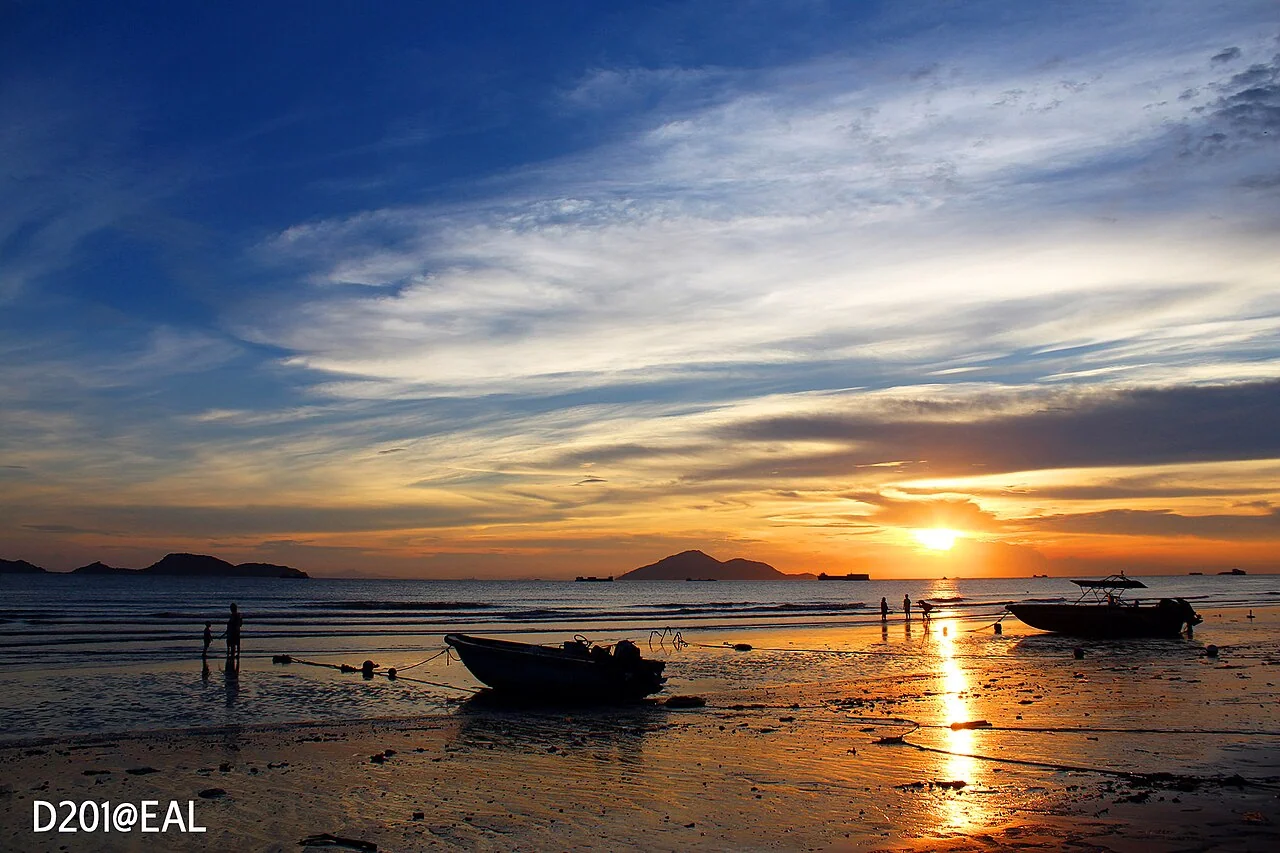
Lung Kwu Tan lies on Tuen Mun's western shore. Its long, curved beach includes dark sand and has an open outlook. Distant views depend on clear conditions, so visit for the changing coastal light rather than a guaranteed view of particular buildings in Macau or Zhuhai.
The dolphin lookout
For an elevated view, consider the Chinese White Dolphin Lookout on the hill north of the beach, provided the path is open and suitable for your group. The wider western waters are dolphin habitat, but a lookout visit does not guarantee an animal will appear.
Dolphin movements depend on several environmental and behavioural factors; dawn, dusk or a rising tide do not provide a reliable sighting formula. Check tides for coastal awareness and choose safe daylight access. For responsible observation, see the western Hong Kong dolphin and sunset guide.
⚠️ Stay on shore
Lung Kwu Tan is not a supervised bathing destination. There is no managed lifeguard swimming service, and water conditions and debris can vary. A hidden-beach label online is not evidence of safe swimming. Enjoy this outing from established land viewpoints.
Transport
- Getting there: Use the Tuen Ma Line to Tuen Mun, then confirm the appropriate local bus, minibus or taxi connection to Lung Kwu Tan.
- Returning: Check evening departures before travelling and leave enough time to walk to the stop. Do not wait until after sunset to discover the last service.
- Nearby interests: The wider area has barbecue facilities and village woodland with butterfly habitat. Confirm facility access and observe wildlife without entering private land or damaging vegetation.
3. Ha Pak Nai: reflections across the flats
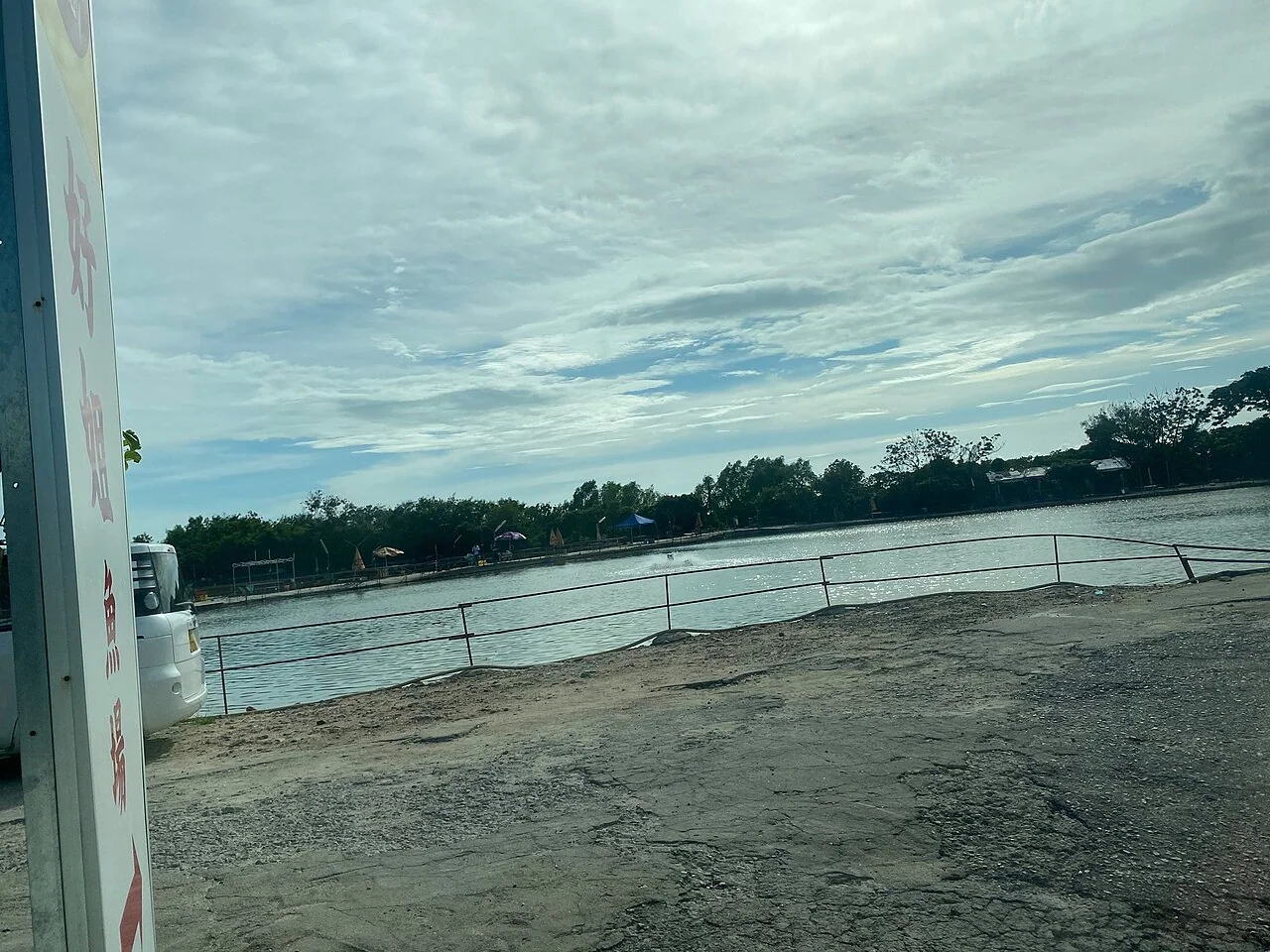
Pak Nai lies in western Yuen Long, facing Deep Bay and Shekou. Mudflats and oyster-growing areas characterize the coast, commonly described as Sheung Pak Nai, Chung Pak Nai and Ha Pak Nai.
Its photographic appeal often comes from shallow water reflecting the evening sky. Tides affect which surfaces are exposed or covered, so check both sunset and water levels. A suitable tidal stage can help the composition, but wind and surface conditions also matter; reflection is not guaranteed simply by low tide.
⚠️ Sensitive habitat
The wider coast contains mangroves, wetlands and mudflats, including habitats recognized for special scientific interest. Designation boundaries are specific rather than a blanket label for every shore section. Oyster shells and soft mud add personal-safety risks.
The practical rule is: photograph from established paths and viewing areas, without trampling the flats. Shells can cut feet, and footsteps can damage seedlings and bottom-dwelling wildlife. Adjust your camera position or focal length from safe ground instead of walking into sensitive areas.
Transport needs planning
- Outbound: Green minibus 33 is a commonly cited route from Yuen Long. Check the current terminus, stops and timetable. Do not rely on older claims that a resident-bus route has identical fares or services.
- ⚠️ Return: Evening services and seats can be limited. A last-minute taxi is not a guaranteed backup. Check the final departure, allow for queues and the walk to the stop, and keep useful transport information available offline.
- Nearby heritage: Archaeological discoveries and the Pak Nai fortified structure add historical interest. Check official visiting information and private-land restrictions before adding a stop.
4. Ting Kau: bridges in the evening sky
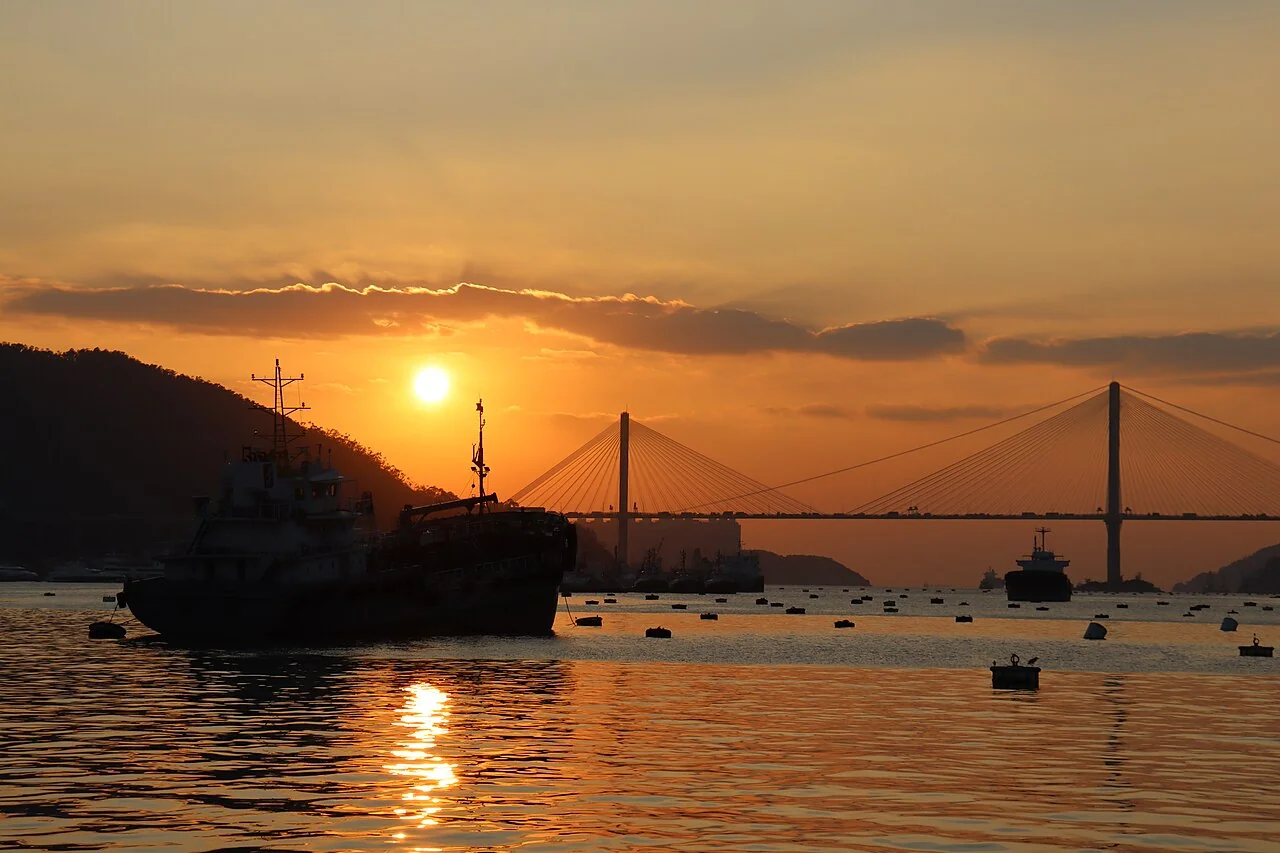
The Ting Kau area offers a different composition: built structures in the foreground. From suitable public viewpoints, bridge towers and cables create geometric silhouettes. Ting Kau and Tsing Ma are different bridge designs; the exact view depends on where you stand.
These are busy western harbour and channel waters. For this itinerary, use a safe public shore viewpoint, not an improvised water entry. Activity permissions and harbour boundaries require current official information; a broad place-name description is not sufficient legal or navigational guidance.
5. Castle Peak Bay beaches: facilities and service hours
Castle Peak, Kadoorie, Cafeteria Old, Cafeteria New and Golden beaches lie on the bay's eastern side, with Butterfly Beach to the west. The LCSD-managed beaches provide scheduled lifeguard services, alongside facilities that vary by beach. Their presence does not mean swimming is supervised at sunset or that a swimming enclosure is an authorized paddling launch.
- Water quality: Castle Peak Beach reopened in 2005 after historical pollution problems and improvement works. Old grading results do not describe today's water: check the Environmental Protection Department's latest information, flags and notices.
- Transport: Rail connections, local buses and walking can provide access. Check the specific beach rather than assuming Light Rail stops directly at every location.
- Limitations: Lifeguard service has set hours and may have ended before sunset. Do not enter when supervision or conditions are unsuitable.
For beach comparisons and water-quality considerations, see the western New Territories water activities guide.
6. Seasons and timing
| Season | Typical conditions | Planning advice |
|---|---|---|
| October–December | Often drier; visibility and wind still vary | Check the forecast rather than expecting distant views |
| January–February | Cool weather, early sunsets and possible strong wind | Bring warm layers for exposed viewpoints |
| March–April | Fog, haze and low cloud may obscure the sky | Check visibility before travelling far |
| May–September | Later sunsets and changeable cloud | Follow thunderstorm and tropical-cyclone warnings |
Two times to check: Use the Hong Kong Observatory's sunset table and the appropriate local tide information. At Ha Pak Nai, sunset and tidal conditions influence the reflection and exposed ground. At Lung Kwu Tan, sunset and safe daylight access are useful planning factors, but tide timing must not be sold as a promise of dolphin sightings.
7. Safety essentials
- Check the last service: Limited evening transport at Ha Pak Nai and Lung Kwu Tan makes advance return planning important.
- Keep Lung Kwu Tan and Ha Pak Nai visits shore-based: One lacks supervised bathing facilities; the other has sensitive mudflat habitat, shells and soft ground. Neither is a casual sunset swimming spot.
- Carry a reliable light: Paths may become dark quickly. Leave difficult terrain before darkness rather than relying on a phone light.
- Bring a layer: Exposed west-facing shores can be windy and feel colder after sunset.
- Use suitable insect protection: Mosquitoes can be troublesome near mudflats and mangroves at dusk. Follow the product instructions.
- Do not pursue dolphins: Observe quietly from shore. Do not enter the water, chase, feed or try to surround wildlife.
8. For a guided sunset on the water, consider Sai Kung
The western locations in this guide are primarily shore-based choices. For a water-level sunset experience, choose a separately planned activity rather than entering at a scenic viewpoint. Beach lifeguards may not be on duty during evening light.
A guided SUP session around Pak Sha Chau in Sai Kung offers another perspective when conditions are suitable. The operator sets the route, meeting time and participation requirements. Neither calm water nor an unobstructed sunset is guaranteed.
👉 View the Pak Sha Chau sunset SUP tour and confirm beginner suitability. For regional comparisons, see the Hong Kong sunset overview.
9. Frequently asked questions
Where should I watch sunset in the western New Territories?
Lung Kwu Tan offers broad coastal views and an elevated lookout, while Ha Pak Nai is known for wet-mudflat reflections. Ting Kau adds bridge silhouettes, and Tuen Mun's developed beaches offer facilities. Check seasonal direction, visibility, access and the return journey before choosing.
Can I swim at Lung Kwu Tan?
It is not recommended for a casual swimming visit. There is no supervised bathing service, and conditions can vary. Treat the beach and lookout as shore-based sunset and nature locations. For an on-water experience, choose an appropriately managed activity elsewhere.
Can I walk into Ha Pak Nai's mudflats for photographs?
Avoid doing so. Soft mud, oyster shells and sensitive habitats create risks for both visitors and wildlife. Stay on established paths and viewing areas, and respect local notices and designation boundaries. A photograph is not a reason to trample seedlings or disturb animals.
How do I reach Ha Pak Nai?
Check the current green minibus 33 service from Yuen Long, including the boarding point and final return. Older references to other services or fares may no longer apply. Allow time for queues and walking, and do not assume an on-demand taxi will be available after sunset.
Which season is good for western New Territories sunsets?
Autumn and early winter often offer comfortable conditions, but haze, cloud and wind vary. Spring can be foggy and summer can bring thunderstorms or tropical weather. Use the current forecast and exact sunset time rather than relying on a seasonal guarantee.