
Sai Kung Kayak Camping Guide 2026: Multi-day Rentals, Equipment and Legal Campsites
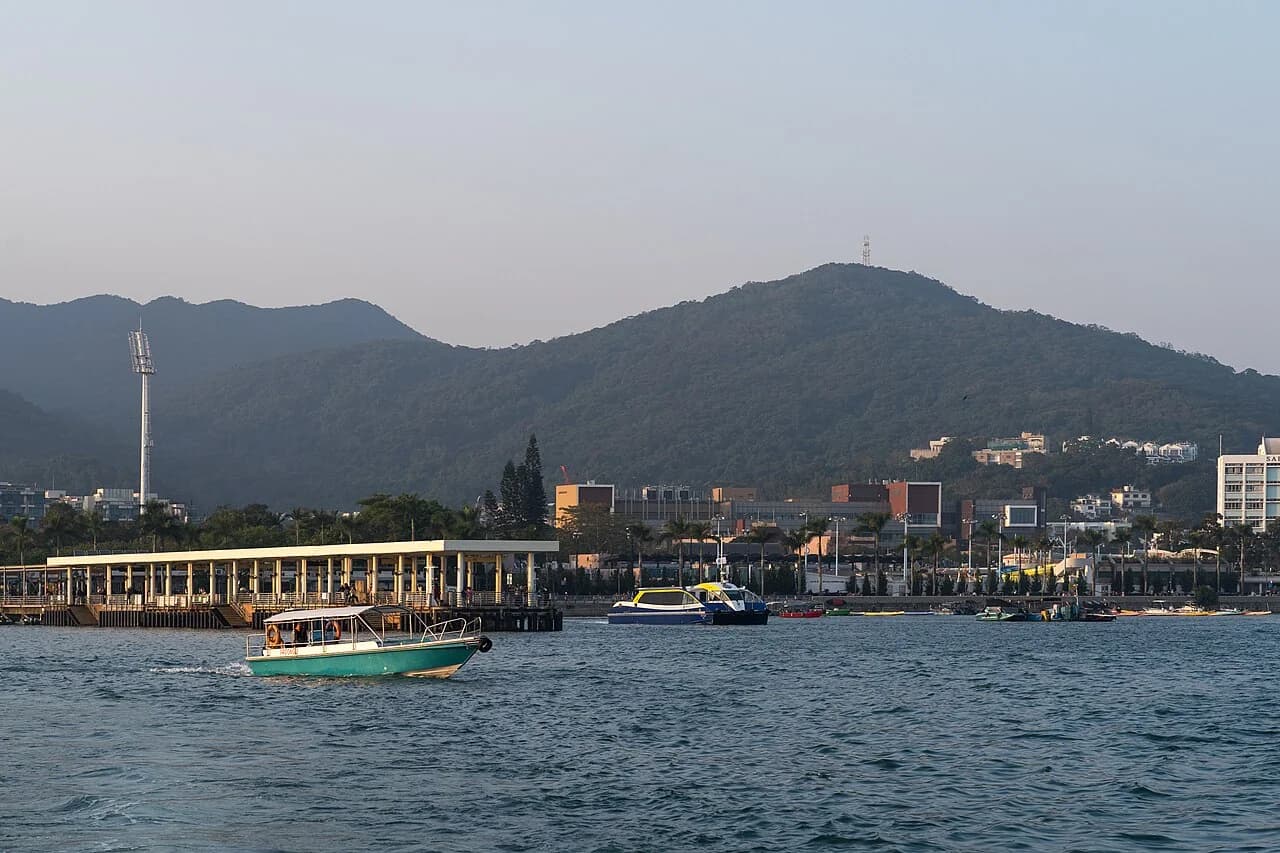
An overnight kayak trip offers a different rhythm from a day rental: time to land, set up camp and return the following day. But the first question is not which beach looks inviting—it is where camping is legally permitted and whether you can reach and leave it safely with a loaded craft. A quiet beach or a position above the tide line is not, by itself, a lawful campsite.
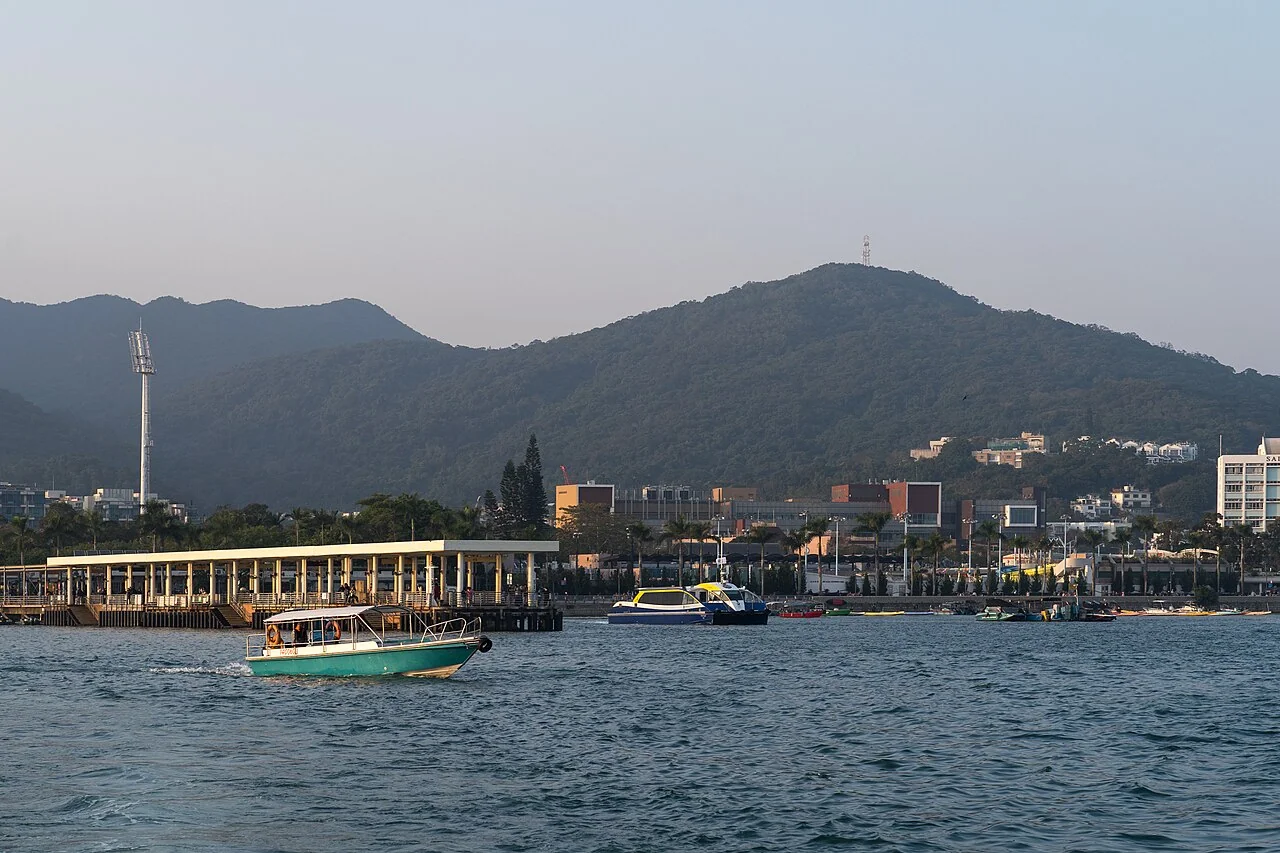
A workable plan combines a confirmed campsite, suitable paddling skills and clear rental arrangements. This guide explains multi-day rentals, equipment, weather and tides. The coastal locations below are route-research references, not a list of approved campsites.
Why arrange a multi-day rental?
A day rental normally requires equipment back before the agreed closing time. It should not be treated as permission to keep the craft overnight.
An agreed multi-day booking can allow overnight retention, subject to the provider's terms and a suitable storage plan.Confirm the final return date and deadline before departure; Kayarine's published return deadline is 5 pm. An overnight arrangement can offer:
- More flexible pacing: time for camp tasks, provided you launch early enough to reach a confirmed site well before dark.
- No unnecessary daily return: if overnight retention is confirmed, secure the kayak at the authorised location without blocking paths or damaging vegetation.
- A different route structure: splitting a journey over two days may help planning, but does not make longer crossings appropriate for beginners.
- Time ashore at sunset and sunrise: enjoy these periods from camp rather than adding unplanned low-light paddling.
On the kayak rental page, select the start and end dates to view the available booking and total price. Check weekend or holiday pricing, overnight arrangements and any equipment restrictions before paying.
Five coastal locations to research—not five confirmed campsites
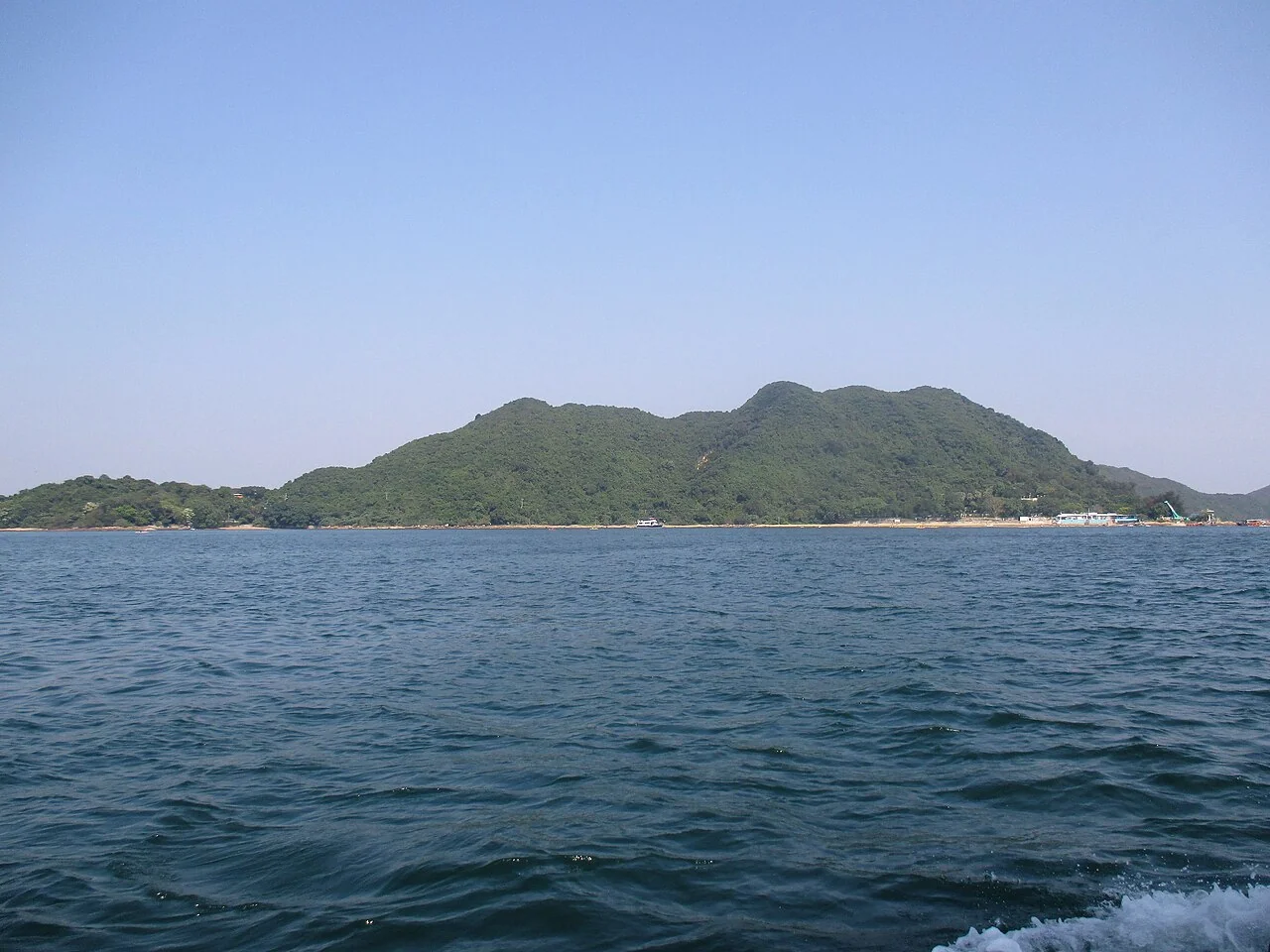
Do not use the original short travel-time estimates as an overnight route plan. Actual distances depend on the precise landing and can change substantially with wind, current and a camping load. None of the entries below should be booked as a campsite without confirmation from the relevant authority or landholder.
| Coastal location | Area | Route-planning requirement | Camping consideration |
|---|---|---|---|
| Hap Mun Bay | Sharp Island | Map the actual route and landing; do not assume a 30–45-minute crossing | Not listed as a designated AFCD campsite; do not treat the beach as a camping booking |
| Kau Sai Wan | Kau Sai Chau | Check route, access and vessel traffic | Confirm land status and explicit camping permission |
| Whisky Beach | Kau Sai Chau | Check the actual beach location and exposure | Remote appearance does not establish camping permission |
| Pak Sha Chau | Pak Sha Chau | Assess channel crossings, wind and safe landing | Confirm permission before planning an overnight stay |
| Long Mong Wan | Location needs exact map confirmation | Resolve the place name and landing before calculating a route | Do not use an uncertain location as a campsite plan |
Three practical checks after confirming permission
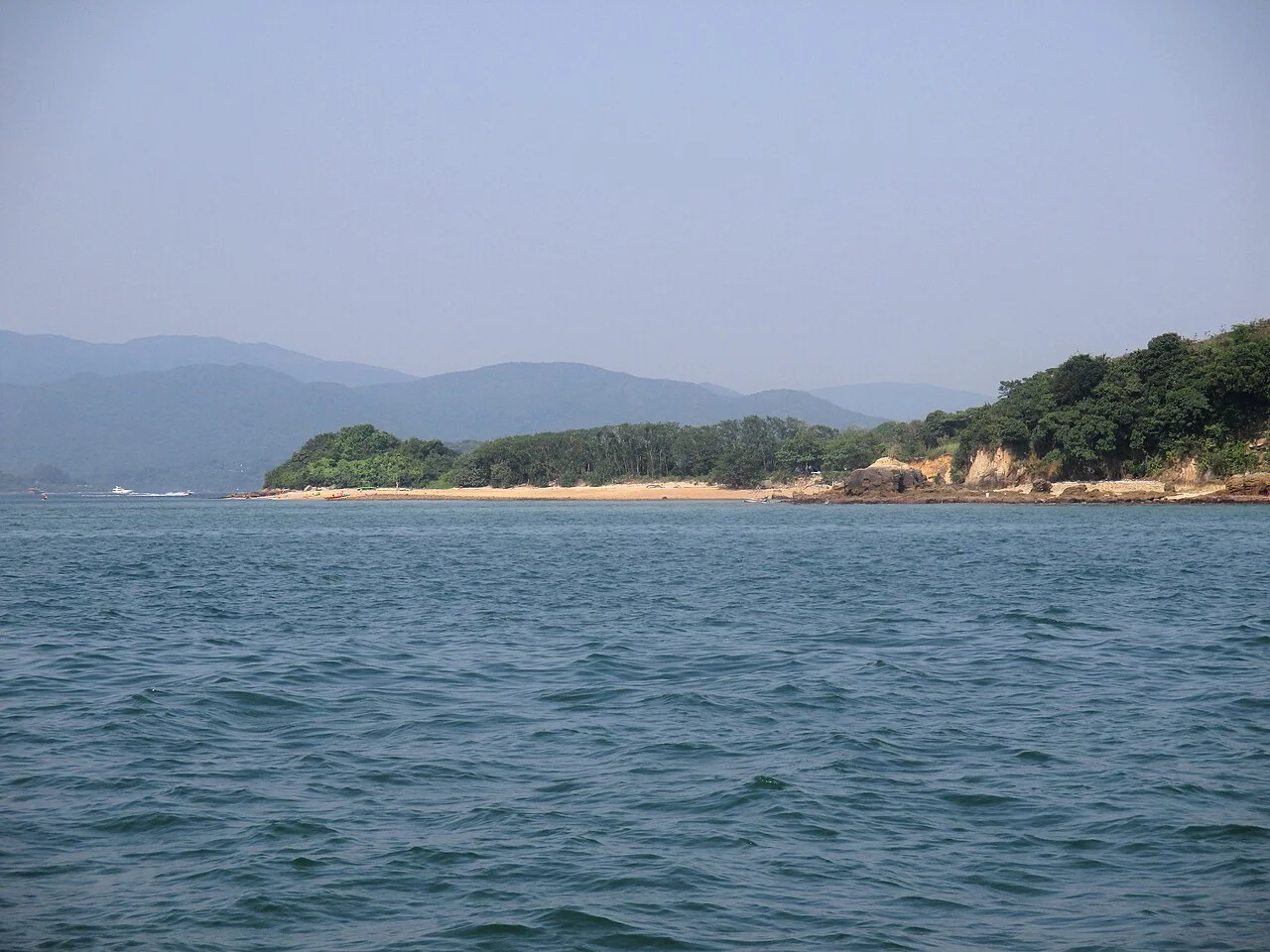
- Safe landing: assess surf, rocks, access rules and how to unload without injury. A loaded kayak is harder to handle than an empty one.
- A permitted, flood-safe pitch: use the authorised camping area and assess tides, swell, runoff and drainage. A debris line alone is not a reliable maximum-water mark.
- A realistic escape plan: work out how you would respond to a change in wind or an injury. Do not assume a ferry will carry a kayak or operate in deteriorating weather.
⚠️ Confirm camping legality before finalising the route. AFCD's designated-campsite list does not include the beach locations in the table above. Check the current official list and applicable permissions; private land and other managed areas have their own rules. Take all waste away and use only permitted cooking arrangements.
A two-day schedule template
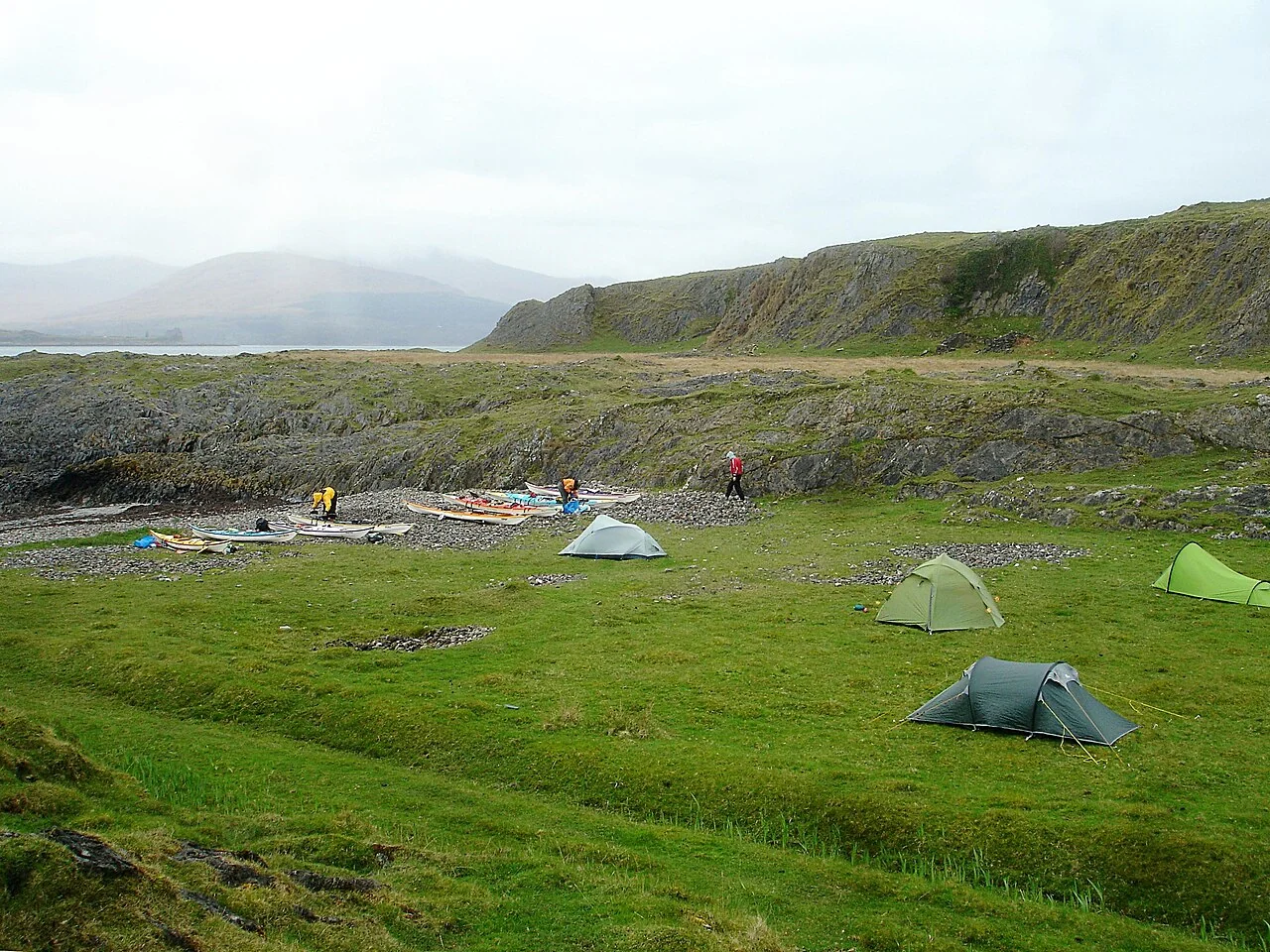
Use this only after identifying an authorised campsite and a route suited to your group. It is not a suggested overnight itinerary for Hap Mun Bay. Start earlier if your actual route needs more daylight.
| Time | Task |
|---|---|
| Day 1 · before departure | Collect equipment, confirm return terms, check forecasts and pack within the craft's load limits. |
| Day 1 · early enough for the route | Launch with a conservative arrival target, safe landing options and a pre-agreed turn-back decision. |
| Day 1 · well before sunset | Land at the confirmed site, secure the craft appropriately and set up within the permitted camping area. |
| Day 1 · late afternoon | Prepare food where allowed, check the next day's weather and rest. Extra water activities are optional, not required. |
| Day 1 · before dark | Finish water activities, secure equipment and prepare lighting and communications for the night. |
| Day 2 · morning | Reassess conditions before deciding to launch; have breakfast and check everyone is fit to paddle. |
| Day 2 · before departure | Pack camp, remove all waste and inspect the loaded kayak. |
| Day 2 · with a large time margin | Return via the safe planned route, changing the plan if conditions require. |
| Day 2 · by the agreed deadline | Return equipment to the collection point; Kayarine's published deadline is 5 pm. |
An agreed multi-day hire differs from two separate day bookings because the equipment can remain with you between dates. Confirm that arrangement explicitly and remember that rental permission does not confer camping or landing permission.
Equipment checklist
Kayaking and water equipment
- Kayak, paddle and fitted PFD: confirm the supplied equipment and wear the PFD while paddling.
- Dry bags: separate dry clothing and sleeping equipment from other items. Choose capacities that fit securely without overloading the craft; double-protect essentials.
- Secure retention: keep bags fixed low and clear of exits, without loose loops that can entangle a person. Practise recovery with the actual setup.
- Secure water footwear: avoid loose flip-flops that can come off while landing or carrying equipment.
- Protective clothing, sunscreen, hat and sunglasses: plan for UV exposure even on cloudy days and for cold if you become wet.
- Waterproof communication: keep a charged, usable means of calling for help on your person rather than buried in a bag.
Camping equipment
- Tent, sleeping mat and sleeping bag: match shelter and insulation to the weather, and pack them within the kayak's size and weight limits.
- Suitable pegs and guylines: use the site's approved anchoring arrangements; do not damage vegetation or leave trip hazards.
- Enough drinking water: calculate needs for heat, exertion, cooking and delays. Do not assume a remote site has drinking water, or that one fixed daily allowance suits everyone.
- Food: carry enough for the planned trip plus a reasonable delay, using food that can be stored safely without refrigeration.
- Headlamp and spare power: essential for camp tasks; not a substitute for the skills and equipment needed for night navigation.
- Stove and fuel: use only where permitted, in a safe ventilated location away from tents. Never cook inside a tent or light an unauthorised beach fire.
- First-aid kit: bring a kit appropriate to your training and group, including personal medication as needed.
- Waste bags: carry everything out, including food scraps and small packaging.
- Dry clothing: keep a complete dry set protected and change promptly after landing. Wet clothing and wind can contribute to dangerous cooling.
Pack heavy items low and near the centre, balance the load and keep below the craft's rated capacity. For clothing choices, see the water-sports sun-protection guide.
Weather and tides
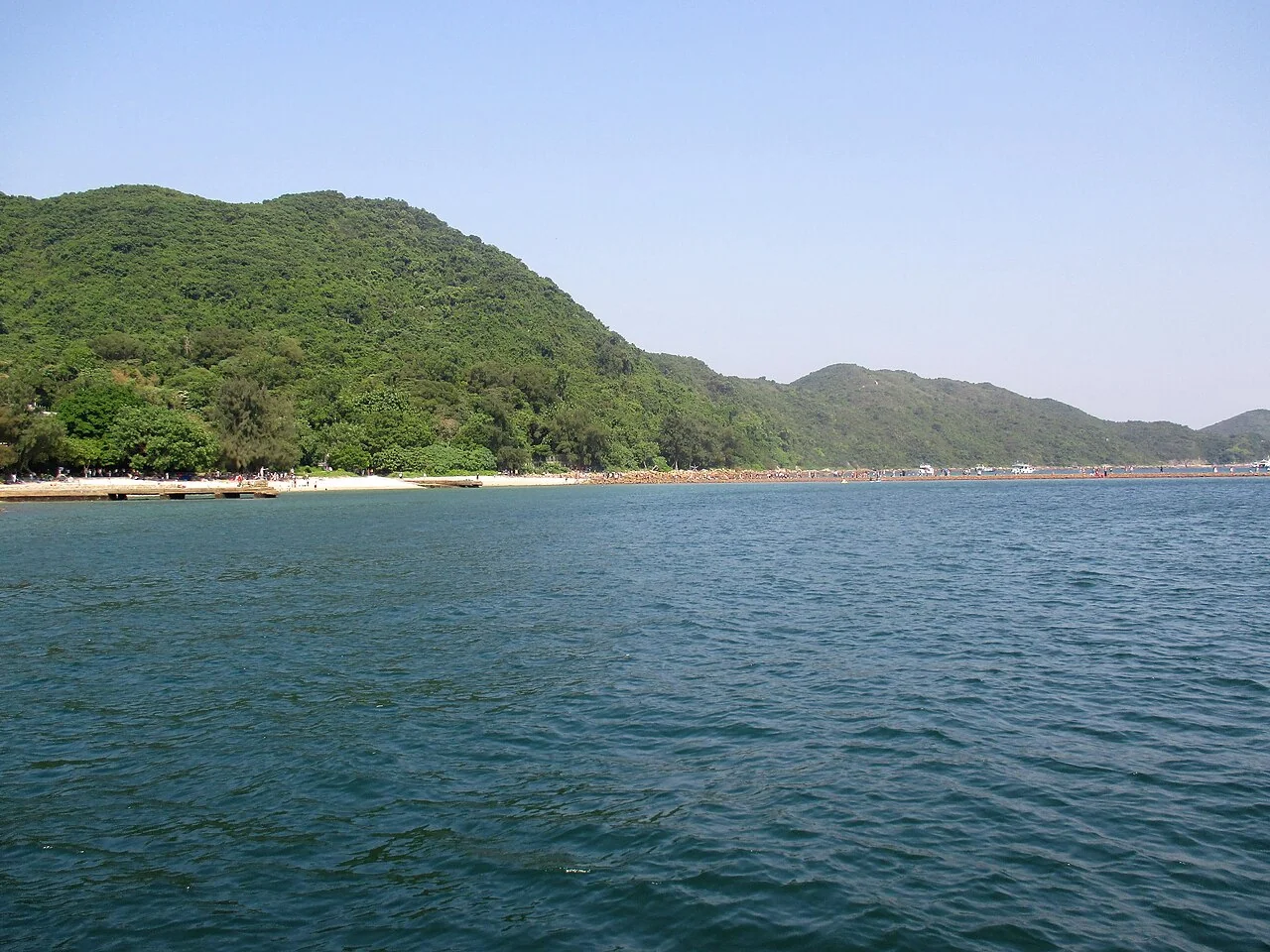
Check the forecast across the full trip, including the return day. A wind shift overnight can change the character of a crossing, and the return must remain within the group's abilities.
- Wind: consider strength, direction, gusts and exposure together with waves and current. A force 1–3 forecast is not a blanket assurance of safety.
- Warnings: do not launch into unsuitable conditions or approaching storms. Contact the provider early about cancellation or rescheduling under the booking terms.
- Tides: check the tide forecast alongside swell, surge and the site's actual geography. Use only the permitted pitch, with an appropriate margin from flooding and wave run-up.
- Return timing: work backwards from the equipment deadline and daylight. Allow for slow progress, rest and alternative landings rather than relying on a fixed time multiplier.
⚠️ The Sharp Island tombolo is tide-dependent. Consult official tide predictions and the site's current guidance. Do not assume there is a guaranteed daily crossing timetable or attempt to cross once water is covering the route.
Safety essentials
⚠️ Independent kayak camping does not include a continuously accompanying instructor.Prepare at least the following:
- Do not go alone: choose a competent group with suitable boats, communication and practised assisted-rescue arrangements.
- Leave a trip plan: tell a shore contact your route, campsite, expected return and overdue procedure.
- Maintain communications: keep devices waterproof and charged, carry backup power and account for weak reception. A phone alone may not cover every emergency.
- Wear a fitted PFD while paddling: also assess flotation needs during launching, landing and other waterside activity.
- Avoid unplanned night paddling: visibility and being seen by other vessels become more difficult after dark.
- Manage energy and load: practise with the loaded craft, allow rest and retain a substantial reserve. Do not assume the return will take the same effort as the outward leg.
- Agree cancellation and turn-back triggers: decide in advance what weather, timing or group condition means changing the plan.
If you are not ready for an independent overnight trip, begin with a Sharp Island kayaking and snorkelling tour to gain familiarity with paddling. A day tour does not by itself qualify you for a loaded overnight expedition.
Seasonal considerations
| Season | Assessment | What to watch |
|---|---|---|
| October–February | Possible with a suitable forecast | Drier days can be attractive, but monsoon winds, cold water and night-time temperatures require preparation |
| March–May | Conditions vary | Fog, rain and changing weather affect visibility and equipment dryness |
| June–September | Storm and heat risks | Tropical cyclones, thunderstorms, strong sun and heat can require cancellation |
For a first overnight trip, choose a conservative route with appropriate support and a confirmed campsite. A weekday or a particular season does not guarantee space or safe weather.
👉 Ask about multi-day kayak rental before planning an overnight trip
Frequently asked questions
How many days can I rent a kayak for?
The rental calendar supports start and end dates and displays the available total price. Confirm the requested duration, overnight retention and weekend or holiday pricing with the provider before finalising the campsite and route.
Must I return the kayak every evening on a multi-day booking?
An agreed multi-day rental can allow you to retain it overnight. Confirm this and the safe storage arrangements in advance. Return all equipment to the collection point by the agreed final-day deadline, normally 5 pm under the published policy.
What happens if I return equipment late?
The published policy requires return by 5 pm and charges HK$100 per participant for each 30 minutes late, with part of a period counted as a full period. Confirm the terms when booking, allow ample time and contact the provider promptly if delayed. Never take an unsafe crossing simply to avoid a fee.
Is kayak camping suitable for beginners?
An overnight trip requires more than basic paddling: loaded-boat handling, recovery, weather decisions, legal campsite planning and emergency arrangements. Build these skills with suitable instruction first. Hap Mun Bay should not be presented as an approved beginner campsite.
Can I reschedule in bad weather?
Contact Kayarine and follow the current booking policy, which distinguishes weather warnings before departure from conditions after equipment has been collected. Prioritise safety if conditions change; do not launch or continue merely because of a refund or return deadline.