
Palawan Water Activities Guide 2026: El Nido Kayaking and Coron Snorkeling
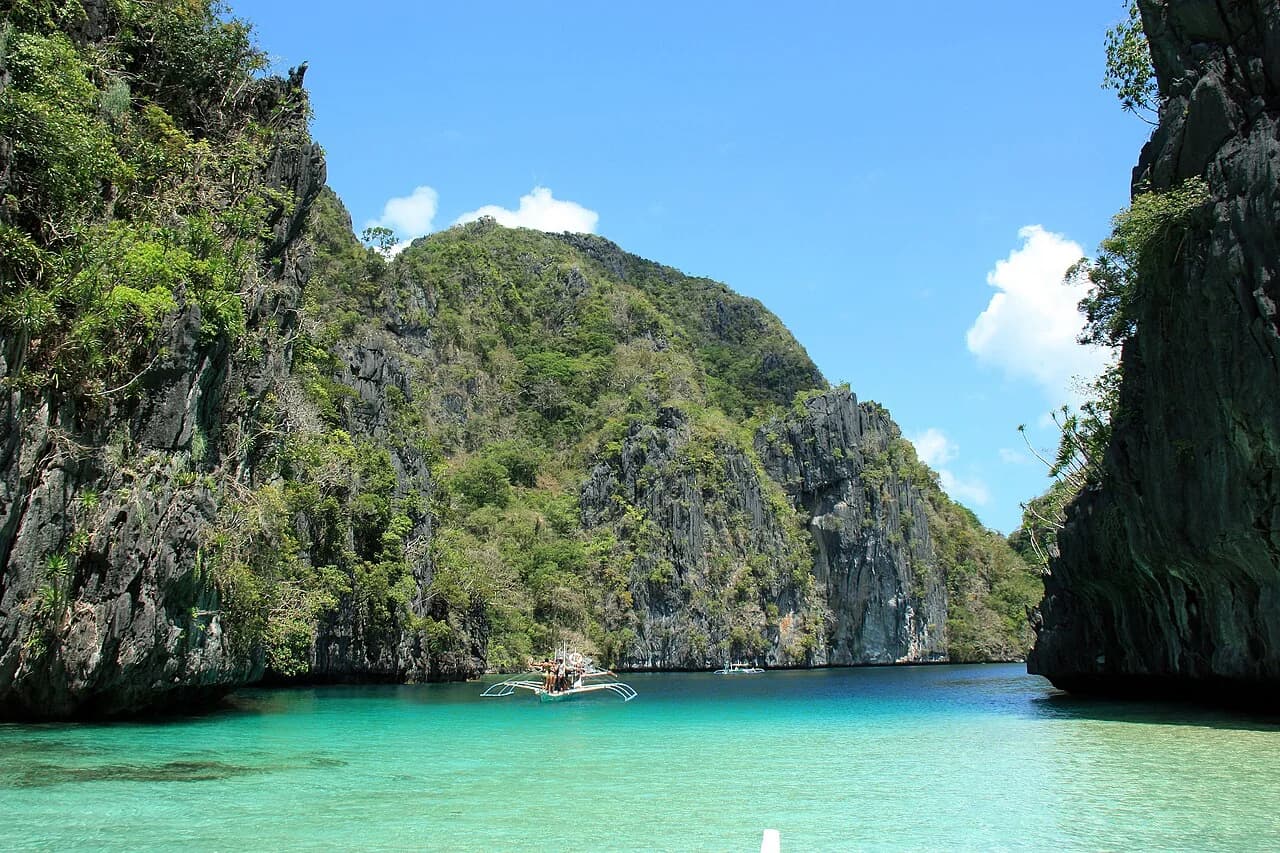
Like Thailand's Andaman coast, Palawan is known for limestone scenery. Here, many outings center on enclosed lagoons and clear lakes, where access and permitted activities are carefully managed. Rules may cover motorboats, visitor numbers and products used in the water. Understanding them is part of planning a smooth trip.
Kayarine has run water activities in Sai Kung for over five years, introducing thousands of visitors to its coastline. This guide treats El Nido and Coron separately, explaining island-hopping routes and how to choose an outing that suits your experience.
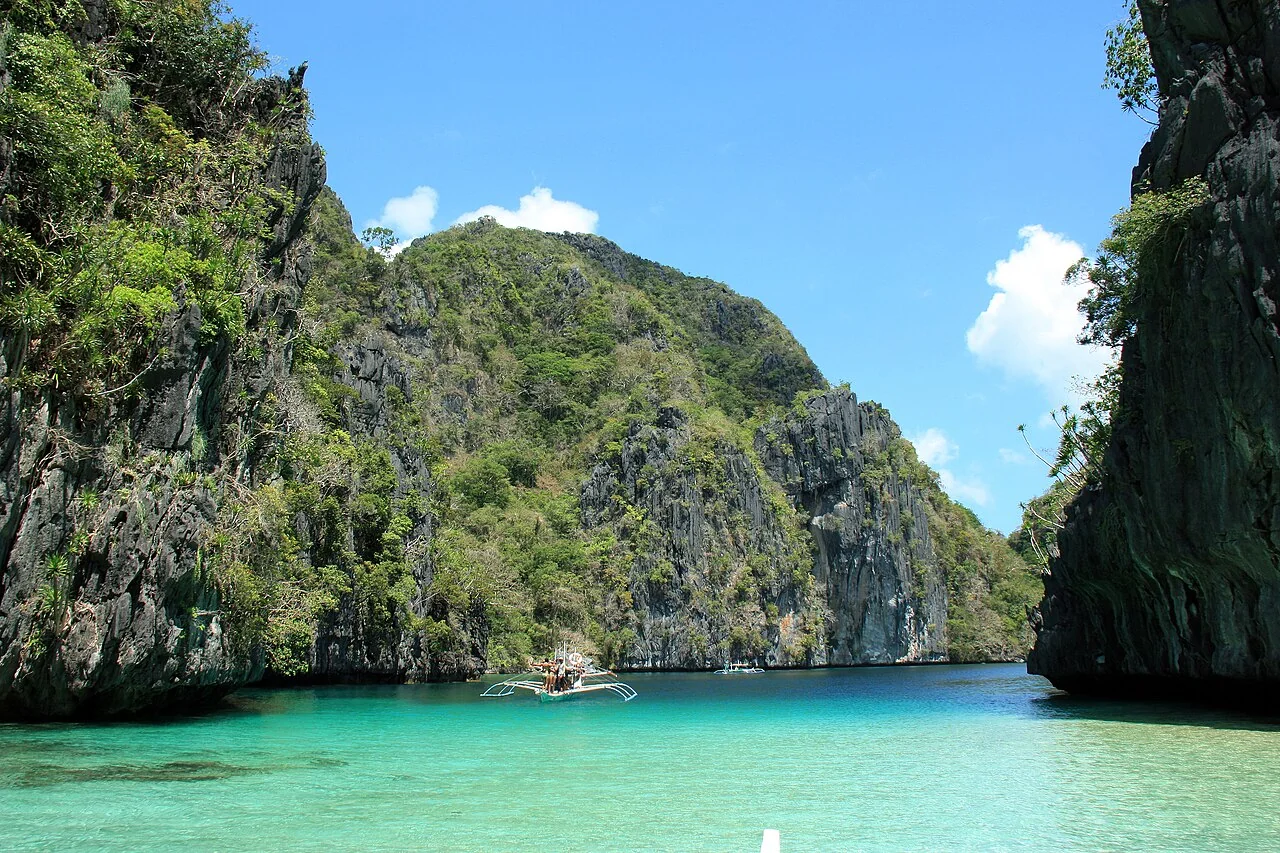
1. El Nido and Coron compared
| Area | Main waters | Activities | Difficulty | Highlights | Who it suits |
|---|---|---|---|---|---|
| El Nido | Bacuit Archipelago | Lagoon kayaking and island-hopping snorkeling | ⭐⭐ Depends on the route and conditions | Big Lagoon, Small Lagoon and limestone cliffs | First-time visitors seeking classic lagoon scenery |
| Coron | Waters around Coron Island | Snorkeling, lake visits and qualified wreck diving | ⭐⭐ Activity-specific; wreck diving needs separate training | Kayangan Lake, Twin Lagoon and wreck sites | Visitors interested in lakes and appropriately qualified divers |
2. El Nido: the lagoons of Bacuit
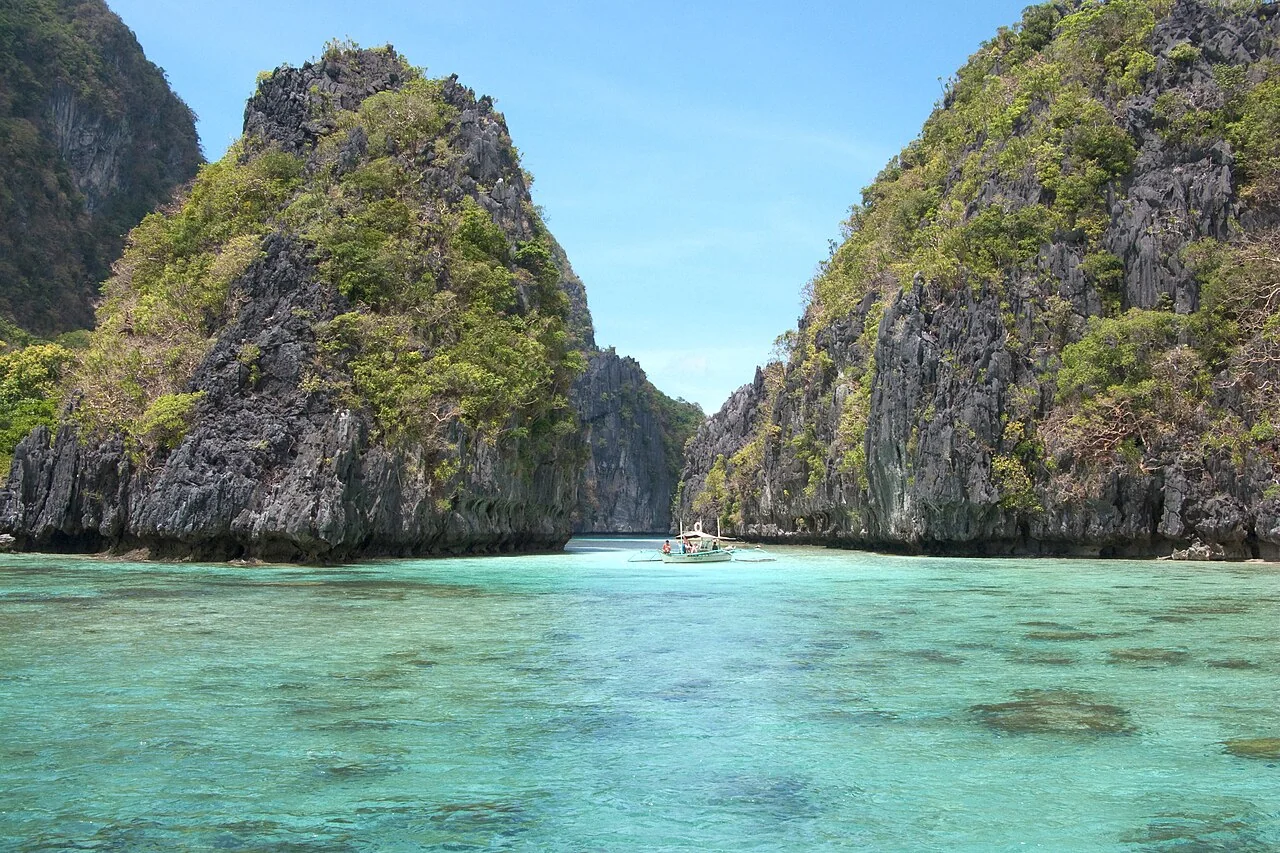
El Nido, whose Spanish name means the nest, is a municipality in Palawan and the gateway to the Bacuit Archipelago. The surrounding landscape is part of a managed resource protected area, known for white-sand beaches, coral reefs and limestone cliffs.
Understanding island-hopping routes
Tours are commonly sold under the labels A, B, C and D, with different combinations of lagoons, islands and beaches. Confirm the actual stops when booking, because access and route arrangements can change.
- Tour A: Usually focuses on classic lagoon scenery, including Big Lagoon on many itineraries. Do not assume Small Lagoon is included in the same trip; confirm the specific lagoon permit and stops.
- Tours B, C and D: Offer other combinations of beaches, snorkeling sites and caves or lagoons. More exposed routes can involve longer boat rides and greater weather sensitivity; distance does not guarantee clearer water.
- Suggested pace: Allow enough nights for two separate outings and a rest or backup day, rather than packing every day with island hopping. Count your arrival and departure times realistically.
How lagoon kayaking works
- Changing craft: An outrigger boat, or bangka, commonly carries you to the access area, where you transfer to a kayak. Follow the permitted approach and entry method rather than assuming boats can enter every lagoon.
- Visitor management: Big Lagoon has managed access, including visitor allocation and designated areas. Follow the assigned time slot and instructions from guides and site staff.
- Fees: Environmental charges, site permits or kayak rental may be separate from the tour price. Confirm current requirements and inclusions with your operator before departure.
- Choosing a time: Light and crowd levels vary, but your entry time depends on available permits and operational conditions. Treat an early slot as a preference, not a guarantee.
3. Coron: lakes and wreck sites
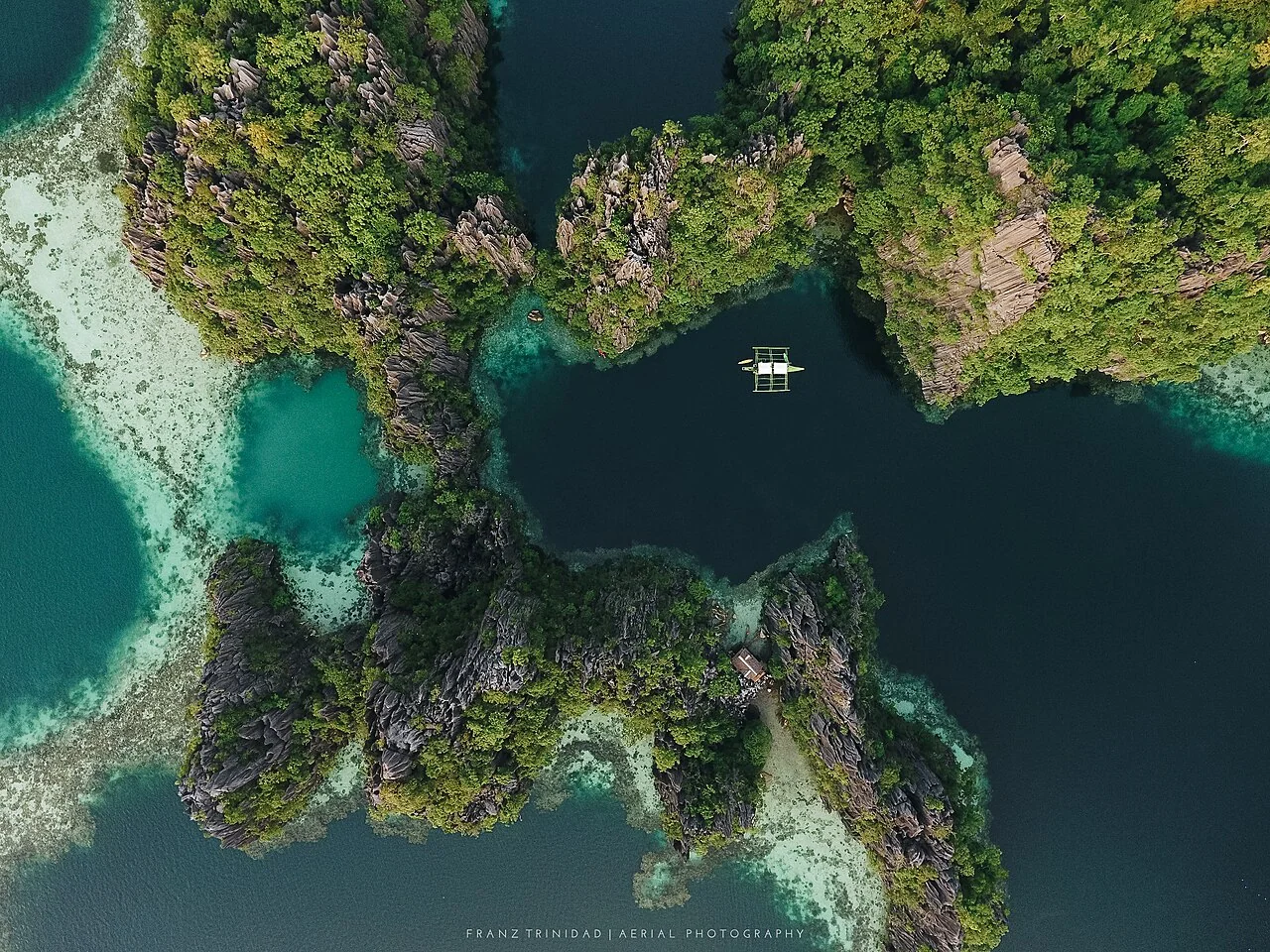
Coron is a municipality in Palawan. The Coron Island Natural Biotic Area appears on the UNESCO World Heritage Tentative List, which is not the same as inscription as a World Heritage Site. Its limestone landscape and aquatic habitats are important conservation assets; water visibility still varies with conditions.
Twin Lagoon
- Landscape: A rock wall separates the two lagoons. The available passage depends on tide and local instructions; a stairway may be used when the water route is unsuitable. Never attempt an underwater squeeze or breath-hold passage on your own.
- Distinctive water: Where fresh and salt water meet, temperature differences and refraction can create a layered sensation while swimming or snorkeling.
- Paddling: Kayak availability and permitted areas depend on current site management. Ask your guide which sections can be paddled and how to reach the inner lagoon safely.
Kayangan Lake
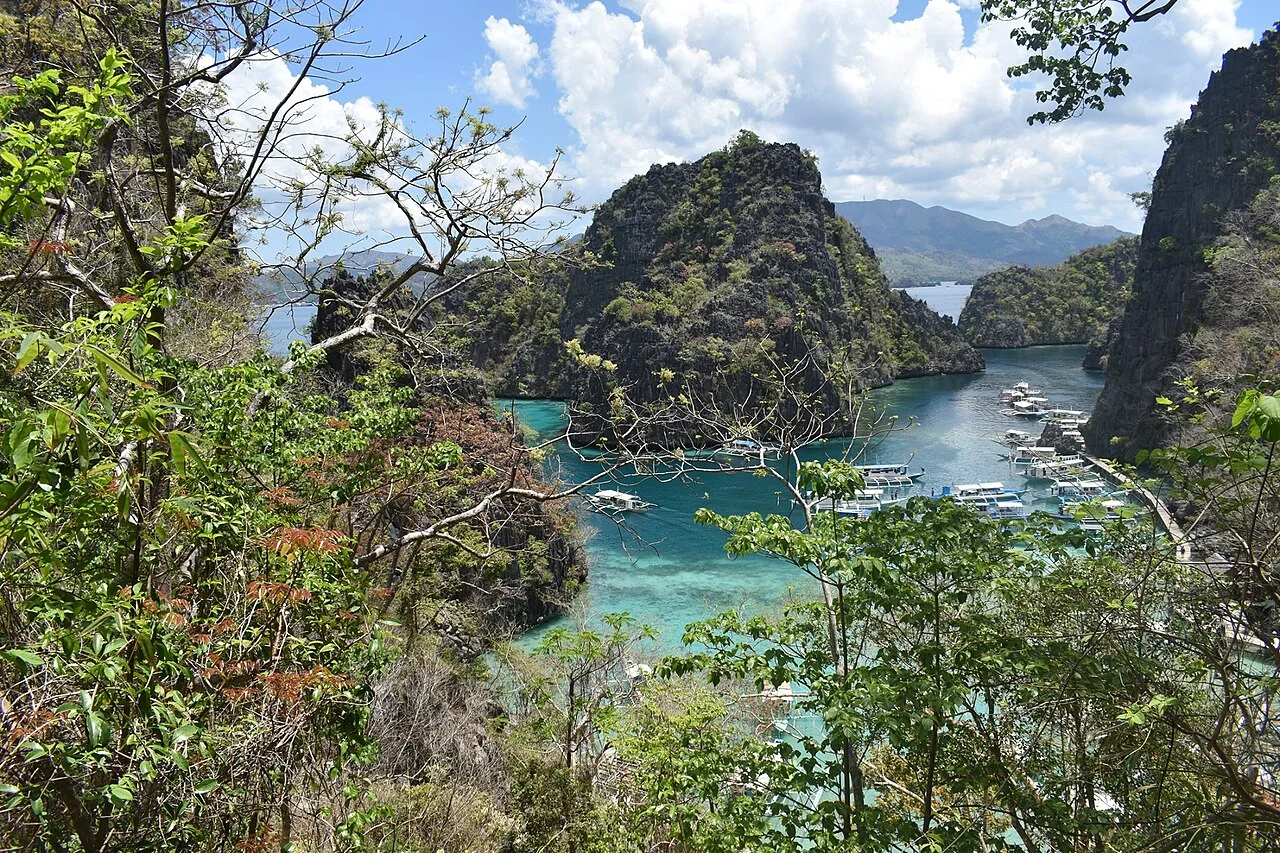
- Steps to the lake: From the landing area, a stepped path crosses a ridge to reach the lake. Surfaces can be slippery, so wear secure footwear with good grip and take your time.
- Protecting water quality: The lake is brackish and known for its clear water. Swimming and snorkeling are subject to local rules, including any restrictions on sunscreen, which you should confirm with the site's custodians before entry. Use sun-protective clothing and shade instead of applying products where they are prohibited.
- Combining stops: Tour itineraries often pair Kayangan Lake with Twin Lagoon and selected snorkeling locations. Check how much walking and swimming the planned day involves.
Wreck diving
Coron's Second World War wrecks are famous dive sites, but exploring them is a training- and certification-dependent diving activity, not an extension of casual snorkeling. Depth, overhead spaces and entanglement hazards require suitable qualifications and professional planning. Never enter a wreck without the relevant training. For a separate introduction to breath-hold activities, see freediving basics and equipment; this does not qualify you for wreck diving.
4. Seasons and weather disruption
| Season | Typical conditions | Planning advice |
|---|---|---|
| November–February | Generally part of the drier period; wind and rough seas remain possible | Popular travel period; allow for weather changes |
| March–May | Often warm and relatively dry, with strong sun | Plan drinking water, shade and rest breaks |
| June–October | Rain and tropical weather can disrupt boat trips | Keep flexible days and avoid tight onward connections |
The Philippines is exposed to tropical cyclones, and Palawan boat trips can be disrupted by local conditions or wider weather systems. Put priority activities early in the stay, leave a backup day, and avoid scheduling a weather-dependent crossing immediately before a flight.
5. Conservation and safety
- Follow sunscreen restrictions: Ask about rules at enclosed waters such as Kayangan Lake and respect any prohibition. Protective clothing is a useful alternative; see our sun-protective clothing guide.
- Never stand on coral: Contact can damage fragile coral. If tired, use an appropriate flotation aid or ask the guide for help returning to the boat.
- Lifejackets and suitable leashes: Wear correctly fitted flotation equipment as instructed. Exposed sections may be rough even when a lagoon is calm. For SUP, use the environment-appropriate leash system specified by your guide, taking entrapment hazards into account.
- Choose secure, grippy footwear: Several Coron stops involve wet steps and uneven landings. Avoid loose footwear and walk carefully.
- Stay within your diving qualification: A general diving certificate is not automatically sufficient for wreck penetration. Snorkelers must not attempt to enter wreck structures.
- Take your rubbish with you: Waste facilities are limited on island stops. Bring everything back to an appropriate disposal point.
6. Practice the basics in Sai Kung
Even a relatively short lagoon outing benefits from boat control and comfortable surface snorkeling: steady forward paddling, slowing before narrow spaces and breathing calmly through a snorkel at the surface. Practice in suitable sheltered water can improve confidence before your trip.
In appropriate conditions, guided trips around Sharp Island combine paddling and snorkeling in one day. It is a convenient way to build experience, though no two coastal locations have identical conditions.
👉 Book the Sharp Island kayaking and snorkeling experience to build confidence. Experienced paddlers can rent a kayak or SUP, or browse all water activities.
7. Frequently asked questions
Should I choose El Nido or Coron?
El Nido is known for Bacuit's lagoons and limestone cliffs, with island-hopping routes commonly labeled A–D. Coron offers Kayangan Lake, Twin Lagoon and wreck diving for appropriately qualified divers. With enough time, visit both, allowing several nights in each and checking actual ferry or flight connections before booking.
When is a good season for water activities in Palawan?
November–May is generally the drier period, but calm seas and uninterrupted tours are not guaranteed. Rain and tropical weather can cause more disruption during June–October. Leave flexible days, follow local advisories and keep a buffer before onward travel.
Can I paddle a kayak into El Nido's Big Lagoon myself?
Kayak rental is available on suitable authorized visits, but access is managed through permits, time slots and designated areas. Self-paddling does not mean unrestricted entry. Follow site staff and your guide, and confirm environmental charges and rental fees with the operator.
Do I need to climb steps to reach Kayangan Lake?
Yes. A stepped route crosses a ridge between the landing area and the lake. Wear secure footwear with good grip and be careful on wet surfaces. Follow the custodians' swimming, flotation and product-use rules, and confirm any sunscreen restriction before entering.
Can beginners kayak in Palawan?
Some guided lagoon outings are suitable for beginners in the right conditions. Boat transfers, wind, currents and exposed sections can still be challenging. Tell the operator about children, swimming ability and experience, and choose a trip with appropriate supervision and safety equipment rather than relying on a calm-looking lagoon.