
Okinawa Water Activities Guide 2026: Blue Cave, Kerama, Kayaking and SUP

Okinawa is a practical overseas water-activity destination for Hong Kong travellers, with flights, road-trip options and a range of coastal and mangrove experiences. You might combine a suitable snorkelling session with a separate guided paddle, but travel time, weather and energy should shape the day. Water clarity varies and should not be assumed from promotional photographs.
Kayarine has guided thousands of visitors around Sai Kung over more than five years. This guide takes a paddling and snorkelling instructor’s perspective: matching the water to your ability, finding the correct access point and knowing when to choose another activity.

1. Four Water Settings Compared
Use this table to narrow your options, then confirm the current route and conditions with the provider:
| Area | Location | Main activities | Indicative level | Highlights | Suitable interests |
|---|---|---|---|---|---|
| Cape Maeda and the Blue Cave | Onna | Snorkelling and introductory scuba experiences | ⭐⭐ Beginner–intermediate, programme-dependent | Blue cave light and cliff scenery | Visitors seeking a well-known Okinawa coastal experience |
| Kerama Islands | Around 32 km southwest of Okinawa’s main island | Snorkelling, diving and island visits | ⭐⭐⭐ Includes open-sea travel | Clear-water scenery and national-park coral habitats | Marine-life enthusiasts with a full day or overnight available |
| Onna coastal bays | Onna | SUP and kayaking | ⭐ Introductory where assessed suitable | Sheltered options and resort facilities | Beginners and families on suitable programmes |
| Northern and eastern mangrove waterways | Northern Okinawa / east-coast areas | Kayaking and ecological tours | ⭐ Introductory where conditions permit | Mangroves and intertidal ecology | Families interested in a slower-paced alternative to exposed sea routes |
2. Cape Maeda and the Blue Cave
Cape Maeda in Onna has limestone cliffs and a projecting reef landscape. The nearby Blue Cave is known for blue light entering through the water and is visited on snorkelling and diving programmes. Its popularity does not remove the hazards of a rocky coastline and a cave setting.
Entry and Facilities
- Activity choices: Guided snorkelling generally does not require a diving certificate, but age, health and swimming requirements still apply. Introductory scuba has different screening and supervision requirements. Shore or boat entry depends on the operator and conditions; neither guarantees cave access.
- Facilities: The cape has parking and visitor facilities such as toilets, viewing areas and showers. Check current opening, charges and availability before relying on them.
- Transport: Driving may be convenient, with access from the Ishikawa interchange area. Public-transport users should confirm the stop, walking route and meeting point with the provider; the original guide mentions a roughly 1 km walk from Kuraha.
⚠️ Safety priority: Cape Maeda may close water access during unsuitable conditions. Check the official daily information and your operator’s instructions. Do not enter through a closure or ignore red flags. Winter can bring rougher seas; whale-watching may be a separate seasonal option, itself dependent on conditions.
3. The Kerama Islands and Their Marine Scenery
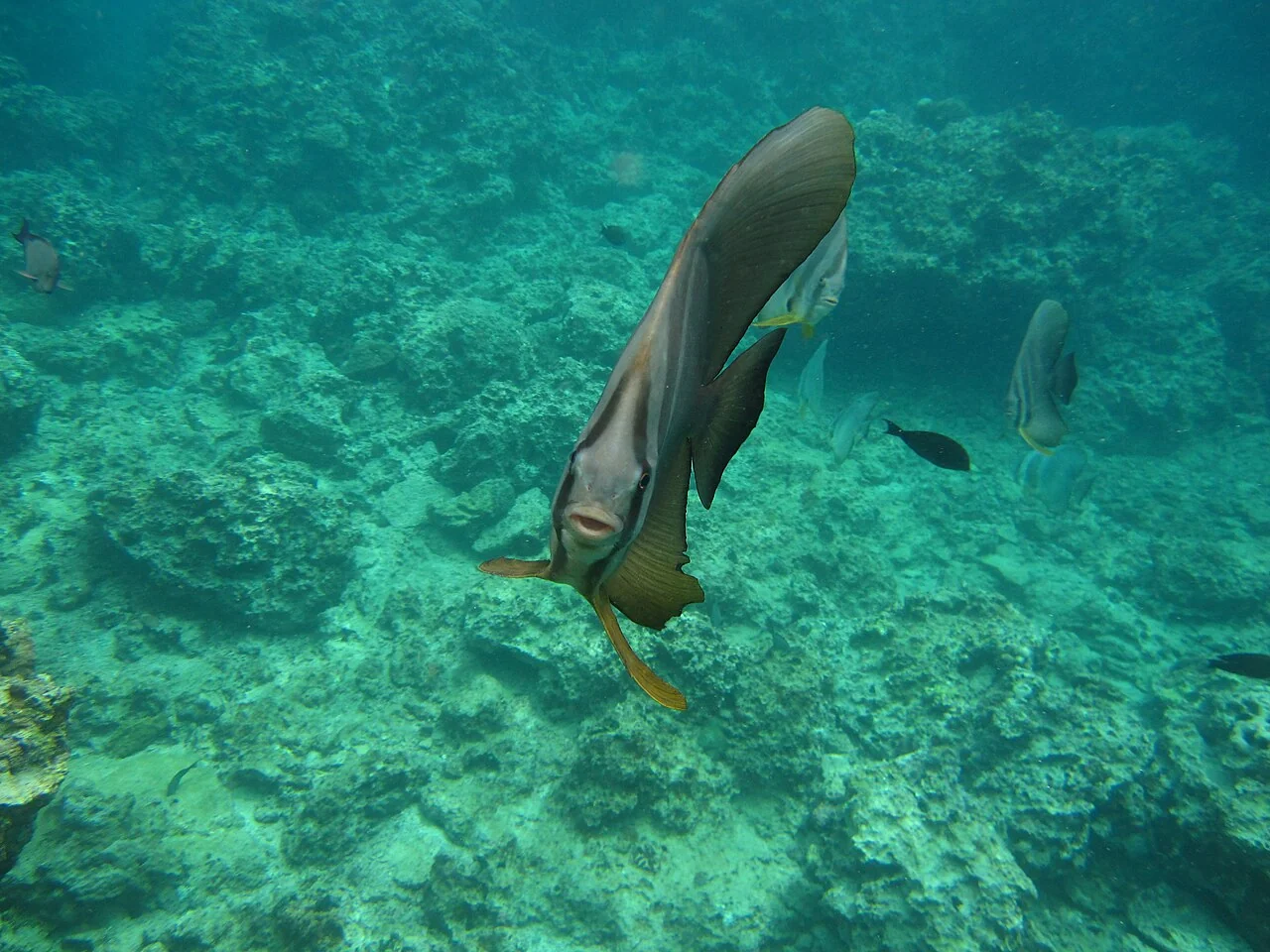
The Kerama island group lies southwest of Okinawa’s main island and includes destinations such as Zamami and Tokashiki. It was designated Keramashoto National Park on 5 March 2014. The protected island and marine landscapes are a major part of its appeal.
- Why visit: The islands are known for ‘Kerama Blue’ water, coral communities and seasonal humpback whales. Visibility varies with weather and location; wildlife sightings cannot be guaranteed.
- Protected seascape: The original guide records a marine area of 90,475 hectares. Check current park maps and local rules for your intended activity rather than assuming the same access or restrictions apply everywhere.
- Trip planning: Ferries and high-speed services from Naha’s Tomari Port can support day or overnight visits, depending on the island and timetable. Weather can disrupt sailings. An overnight stay gives more flexibility, but does not guarantee calmer mornings or better visibility.
4. Onna and Northern Waterways: Introductory Paddling Options
For a group with beginners or children, prioritise a route with appropriate shelter and supervision over a famous photograph.
- Onna coastal bays: Resort-area operators offer SUP and kayaking. Some bays have protection from headlands or reefs, but the instructor must assess wind, swell, currents and suitable boundaries before a first standing practice.
- Northern and eastern mangrove waterways: Guided river or estuary routes can offer slower-paced ecological interpretation. They still have tidal flow, changing water levels and weather risks; ‘mangrove’ does not mean current-free.
- Combining activities: A snorkel and a separate paddle can work on the same day if transport, conditions and rest allow. Do not assume afternoon wind leaves every bay calm or that morning always has the clearest water.
5. Seasons and Weather
| Period | Typical considerations | Planning advice |
|---|---|---|
| April–June | Warming water and a transition through the rainy season; storms remain possible. | A possible window for snorkelling and paddling, subject to actual conditions. |
| July–October | Warmer water, heat and typhoon risk; activities may be cancelled. | Keep flexible days and a land-based backup; follow local jellyfish advice. |
| October | Often fewer visitors with lingering warmth, but typhoon and wind risks remain. | Consider it as a shoulder-season option, not a guaranteed calm period. |
| November–March | Cooler, windier conditions can disrupt sea trips. | Consider suitable sheltered programmes or seasonal whale-watching, after checking conditions. |
6. Costs and Itinerary Planning
The following are broad planning comparisons, not live quotations. Confirm prices, inclusions and meeting times directly:
- Blue Cave snorkelling: Often sold as a short guided session with equipment. Introductory scuba generally costs more and has different participation requirements.
- Kerama day trips: Some packages include boat travel, snorkelling equipment and lunch. Travelling by public ferry and booking locally offers flexibility, but you need to coordinate services and cancellations yourself.
- SUP or kayaking: Short bay sessions and mangrove tours vary by duration, group size and interpretation. Compare total inclusions rather than assuming one type is always cheapest.
- A three-day outline: Day 1: arrive and, if time and conditions permit, take a nearby introductory paddle. Day 2: choose either a Kerama day trip or a mainland snorkel-and-mangrove combination. Day 3: keep a flexible mainland buffer around your departure time. Do not place a weather-sensitive island return immediately before a flight.
7. Safety and Equipment
- Keep flotation fastened: Wear the equipment required for the activity as instructed. Do not unfasten it for photographs or because you feel warm.
- Use the correct SUP leash system: Follow qualified guidance for the water setting and learn the release procedure. Sea and flowing-water environments may require different arrangements.
- Cover exposed skin: Long sleeves can help reduce sun exposure and abrasion, but cannot guarantee protection from jellyfish or sharp rocks. See our Rash Guard Buying Guide.
- Follow sunscreen and conservation guidance: Use suitable sun protection as directed and comply with operator rules. An ‘ocean-friendly’ label alone does not prove a product is harmless to coral; clothing and avoiding contact with habitats also matter.
- Check conditions every day: Use official site notices and relevant forecasts together. Change plans when the site closes or conditions exceed your ability, even if you have already booked a tour.
8. Practise the Basics Before Travelling
An introductory lesson before your holiday can build confidence with paddling, turning and assisted re-entry. It does not replace the local operator’s briefing or guarantee readiness for unfamiliar conditions.
Sai Kung offers guided practice and snorkelling opportunities on suitable routes around Sharp Island and nearby waters. Choose according to your ability and the day’s conditions.
👉 Book the Sharp Island Kayak and Snorkelling Experience to practise in Sai Kung. If you already have the relevant experience, ask about kayak and SUP rental and its permitted routes.
9. Frequently Asked Questions
When is a good season for Okinawa water activities?
April–June and October are often considered, but rain, typhoons, wind and water temperature still need checking. Summer plans need cancellation flexibility, while winter sea trips may be limited. Seasonal whale-watching is a separate option. Choose the activity by current conditions, not the calendar alone.
Do I need a diving certificate for the Blue Cave?
A guided snorkelling session generally does not require a scuba certificate, but the provider’s age, health and ability requirements apply. Introductory scuba and certified diving are different programmes. Confirm screening, supervision and whether cave access is possible on the day.
What happens in bad weather at Cape Maeda?
Water access may be closed. Check the official site information and the operator before travelling, and keep a backup activity. Do not enter during a closure or disregard a red flag; a paid booking does not override a safety restriction.
Can I visit the Kerama Islands in one day?
It may be possible using a suitable ferry, high-speed service or tour from Naha, but check the exact island, timetable and return. Sailings depend on sea conditions. Staying overnight gives flexibility, and either plan needs a buffer before onward travel.
Can a beginner join an Okinawa kayak or SUP tour?
Some programmes are designed for beginners, with a briefing and supervised practice. Confirm swimming, age, health and fitness requirements, and choose an appropriately sheltered route. An introductory lesson beforehand may help, but local conditions and the operator’s assessment still determine suitability.