
Northern Taiwan SUP & Kayaking Guide 2026: New Taipei, Yilan and Coastal Routes
Northern Taiwan offers coastal and river settings for SUP and kayaking within reach of Taipei. Depending on traffic and the starting point, some New Taipei and Yilan locations are around 40–90 minutes away by car. Their different geology and water conditions mean choosing the right setting matters as much as choosing the activity.
A first-time paddler, a family and an experienced sea kayaker need different routes. Local providers can help match an outing to the participants rather than treating every scenic spot as beginner-friendly.
This guide introduces five well-known SUP and kayak areas across northern Taiwan, plus a Dongshan river option, with transport, seasons, photo ideas and precautions. Use the outlines to discuss a current, suitable itinerary with the operator.
1. Five Main Areas Compared
Start with the water type and experience level, then confirm the actual route and conditions:
| Location | Area | Water type | Indicative level | Highlights | Who may enjoy it |
|---|---|---|---|---|---|
| Shen’ao / former Elephant Trunk Rock | Ruifang, New Taipei | Open sea | ⭐⭐⭐ Intermediate | Sea cliffs and rock formations; the former arch has collapsed. | Experienced outdoor visitors who enjoy coastal geology |
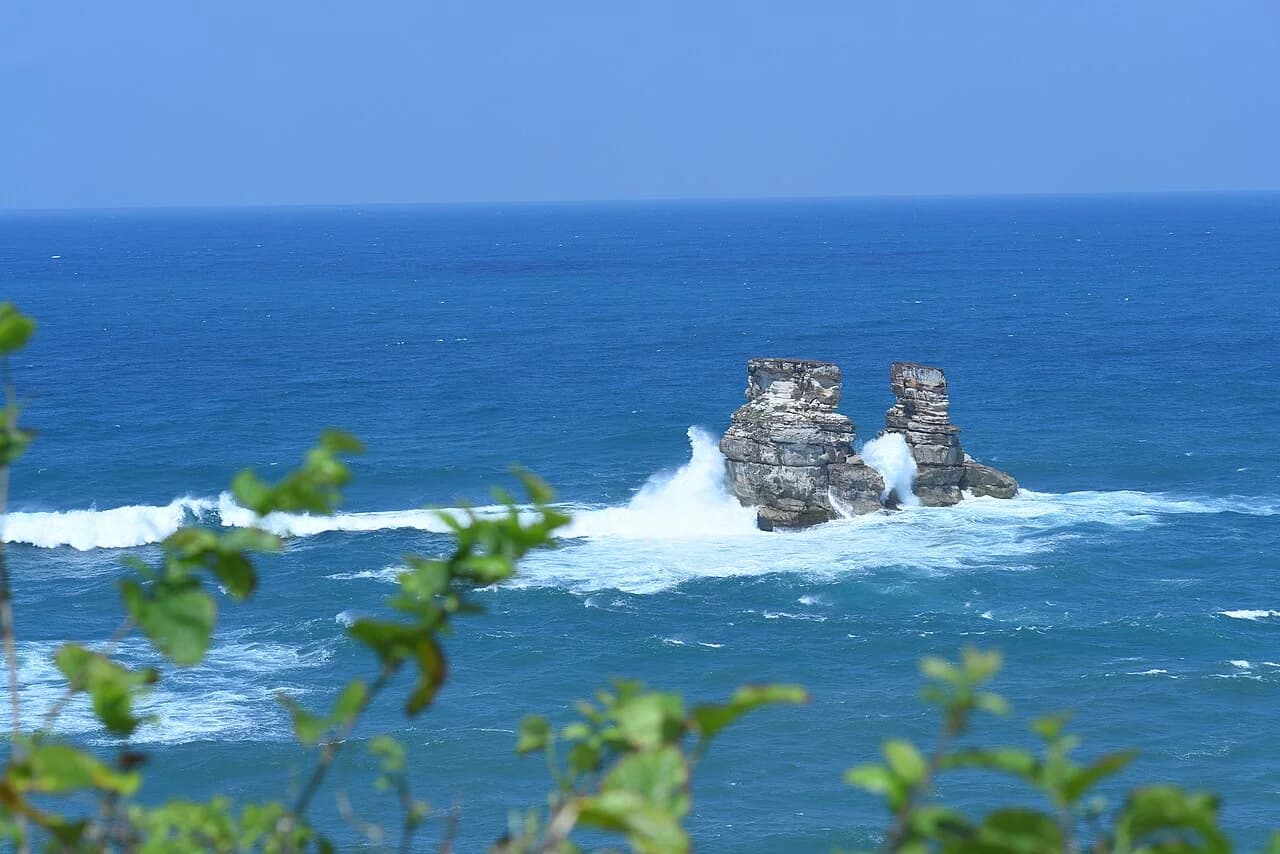
| Jinshan Twin Candlestick Islets | Jinshan, New Taipei | Open sea | ⭐⭐⭐ Intermediate | Twin sea stacks and broad coastal views | Experienced paddlers and landscape photographers |
| Shuangxi River, Fulong | Gongliao, New Taipei | River setting | ⭐ Introductory where conditions permit | River, sandbar and estuary scenery | Beginners and families on an appropriate guided programme |
| Fenniaolin | Su’ao, Yilan | Partly sheltered coastal bay | ⭐⭐ Beginner–intermediate, route-dependent | Green-blue water and dramatic rocks | Visitors interested in coastal scenery and photography |
| Tofu Cape | Su’ao, Yilan | Partly enclosed bay | ⭐ Introductory where assessed suitable | Coastal habitats and options combining paddling with snorkelling | Water-sports beginners with suitable supervision |
2. Locations and Route Ideas
1. Shen’ao, Ruifang, New Taipei
Sea cliffs and Pacific views
The coastal platform near Shen’ao Fishing Harbour was famous for a rock shaped like an elephant. The trunk arch collapsed naturally in late 2023. Sea cliffs and other rock formations remain part of the landscape, but visitors must respect current closures, rockfall hazards and local access rules.
- Water conditions: Open sea, with deeper water and exposure to seasonal wind and swell.
- Route planning: Local operators may discuss launches around the Shen’ao harbour area or Fan Zai Ao Bay. Confirm the legal launch and safe route directly. Observe the cliffs from a suitable distance; do not assume entering a sea cave is safe just because its surface looks calm.
- Photography: Early light can illuminate the cliffs, and water level gives a different perspective. Keep a safe distance from unstable rock and focus on boat control first.
- Transport: Driving to a confirmed meeting point near Shen’ao Fishing Harbour may be convenient. For public transport, check current services from Keelung and the correct stop and final walk with your operator rather than relying on a general area name.
2. Jinshan Twin Candlestick Islets, New Taipei
A more demanding route towards offshore sea stacks
The Twin Candlestick Islets, also called the Couple Rocks, stand offshore from the Jinshan coast. Their dramatic shape attracts sea paddlers, but the open-water approach is not a beginner sightseeing shortcut.
- Water conditions: Open sea. The original guide estimates roughly 3–4 km return for a suitable route, requiring fitness and reliable directional control; distance varies by launch.
- Route planning: Discuss the actual launch around Huanggang or Shuiwei and the neighbouring coast with a qualified local operator. Routes may pass coastal cliffs towards the islets, but safe separation, traffic and weather must determine how close you approach or where you rest.
- Precautions: Ocean swell and offshore wind can make the return difficult. Use experienced guidance and a conservative turnaround plan; tides and currents need local assessment.
3. Shuangxi River, Fulong, New Taipei
A river-based introduction to paddling
The Shuangxi River meets the Pacific beside Fulong Beach, creating river and sandbar scenery. Suitable inland sections may be an alternative to exposed sea routes for a beginner lesson, but weather, river flow and estuary conditions still matter.
- Water conditions: Some river sections are more sheltered from ocean swell. They are not guaranteed current-free or unaffected by rain and tides.
- Route planning: An operator may launch from a riverside activity base near the bridge and guide a route towards Longmen Suspension Bridge or views of Fulong’s Rainbow Bridge. Stay within the assessed activity area and avoid drifting towards an unsuitable estuary exit.
- Experience highlights: In appropriate conditions, lessons may include standing practice or SUP yoga. Pet participation requires advance agreement, suitable equipment and an assessment of the animal, not simply calm-looking water.
- Transport: Take Taiwan Railways to Fulong Station and confirm the meeting point. The original guide estimates a 10–15-minute walk to a riverside launch, but locations differ by operator.

4. Fenniaolin, Su’ao, Yilan
Rocky coastal scenery and green-blue water
Fenniaolin lies at the southern end of Dong’ao Bay. Its rock formations and water colour make it a popular photographic area. Sunshine may highlight the water, but clarity varies with swell, runoff and other conditions.
- Water conditions: A bay setting with partial shelter from surrounding rocks, but significant exposure to seasonal northeast winds and ocean swell.
- Route planning: Operators may use appropriate launch areas around Dong’ao Bay, Wuyanjiao or outside Fenniaolin Harbour. These places should not be treated as identical or interchangeable launch points. Confirm the exact itinerary, distance and restrictions before departure.
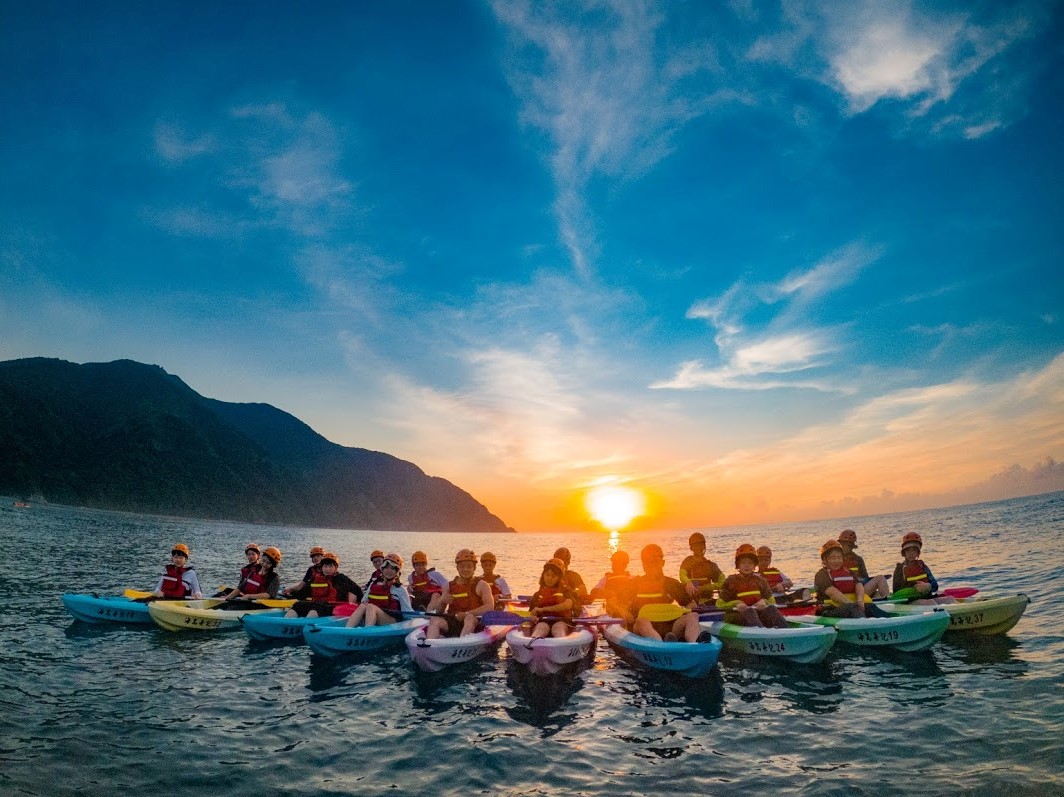
- A scenic option: Consider a guided sunrise outing, sometimes meeting around 4:30 am, if offered and conditions permit. The Pacific horizon can take on pink and golden light, but the early start still requires a full weather and safety assessment.
5. Tofu Cape, Su’ao, Yilan
Paddling and marine observation
Tofu Cape is a coastal bay associated with distinctive tofu-like rocks and a land-linked island setting. It is known for water activities, but partial enclosure does not guarantee calm water or safe access on every day.
- Water conditions: A partly sheltered bay with marine habitats. Assess currents, boat traffic, waves and safe entry points before selecting an activity.
- An option to consider: SUP or kayaking combined with snorkelling. Where the operator offers it, paddle along an assessed route and enter the water only under the agreed supervision and flotation arrangements. Do not improvise an anchor or tether near coral.
6. Dongshan, Yilan
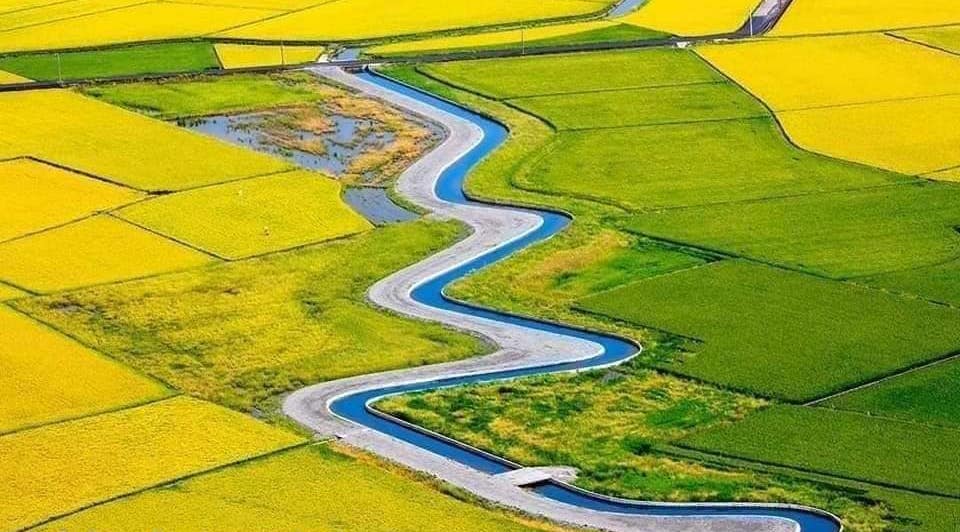
Dongshan offers a different setting: a guided paddle through a rural landscape. A suitably run introductory session may appeal to families, with eligibility and conditions checked beforehand.
3. Seasons and Weather
Water activities depend on actual weather and water conditions. Broad seasonal patterns are only a starting point:
-
Main season: May–September
- Advantages: Warmer water and more operating opportunities make this a popular period. The effect of southwesterly summer winds differs by coast and route.
- Precautions: Afternoon thunderstorms, typhoons and changing winds can interrupt plans. Check the forecast throughout the day; do not assume a fixed daily pattern of offshore wind.
-
Shoulder months: April and October
Cooler water and fewer visitors may suit some paddlers, but wind, swell and thermal protection still need assessment.
-
Reduced-operation period: November–March
The northeast monsoon can bring rough seas to northern and Yilan coasts. Many ocean routes reduce or suspend operation; river programmes may operate only when their own flow and weather conditions are suitable. Confirm directly with the provider.
4. Safety and Preparation
Paddling skills can be learned, but every water setting has hazards. Prepare with a qualified provider:
1. Essential safety equipment
- Life jacket or buoyancy aid: Wear a correctly fitted model with all fastenings secured throughout the activity. Do not remove it for photos or because you feel hot.
- Leash: SUP leash selection depends on the environment. An ankle leash suitable in one setting may create entrapment risk in moving water. Follow qualified guidance on the correct system and release procedure instead of using one rule for both sea and river.
2. Sun protection and hydration
- Clothing: Consider long-sleeved sun-protective clothing and suitable leggings, which can reduce exposure and abrasion but do not guarantee protection from stings or sharp rocks.
- Sunscreen: Protect exposed skin with an appropriate sunscreen used as directed. ‘Ocean-friendly’ wording alone does not establish that a product is harmless to coral. Clothing, shade and avoiding contact with habitats also matter.
- Hydration: Secure enough drinking water without creating loose-line hazards. Drink regularly and take breaks according to heat and exertion; inform the guide if you feel unwell.
3. Tides, Wind and Waves
- Planning tools include Windy and Taiwan Central Weather Administration tide and marine forecasts. Tide predictions, wind and wave forecasts are different information layers; check each relevant source and obtain local assessment.
- Conservative decision-making: Waves above 1 metre or wind above 10 knots can be unsuitable for beginners, but being below those numbers does not establish safety. Use the operator’s route-specific judgement and cancel whenever conditions exceed your ability.
5. Final Thoughts
From a sheltered river lesson at Fulong to a carefully planned Dong’ao sunrise trip, northern Taiwan and Yilan offer varied paddling experiences. Choose the setting for your group and the day, with safety and a reliable return plan first.
👉 Ready to plan your outing? Contact a qualified local provider and confirm the route, conditions and participation requirements before booking.